Winning a new diner costs 5 to 10 times more than keeping a regular. That’s the estimate from business.com, and it’s the whole case for restaurant customer loyalty in one line.
The good news? Most of what makes a guest come back costs little or nothing.
So I’ll show you how to turn first-time diners into regulars with 7 low-cost strategies, a quick check that your reward pays for itself and 3 numbers you can check in 15 minutes a month.
What Is Restaurant Customer Loyalty?
Restaurant customer loyalty is a guest’s choice to keep coming back to your restaurant over the other places they could eat. A loyal guest returns on a steady rhythm, orders with confidence and recommends you to friends.
That definition matters because it separates loyalty from habit or convenience. Someone who eats at the only diner near their office isn’t loyal yet; they’re just nearby.
Real customer loyalty shows up when a guest picks you even though another option is cheaper, closer or newer. That’s the kind you can build on purpose.
What Counts as a Loyal Customer?
A loyal customer in a restaurant is someone who visits again and again by choice and would miss you if you closed. You can usually spot 3 signs:
- They come back on a rhythm. Every Friday pizza night, every Sunday breakfast, every weekday lunch.
- They talk about you. They bring friends, post photos or tell a new neighbor where to get tacos.
- They give you a second chance. One slow night or a wrong order doesn’t send them away for good.
Here’s the deal: a guest who only shows up for a coupon isn’t loyal yet. They’re loyal to the deal, and they’ll follow the next deal down the street.
Why Customer Loyalty Matters for a Small Restaurant
Customer loyalty matters for a small restaurant because a regular costs far less to keep than a new diner costs to find, and regulars tend to spend more once they trust you. Business.com puts the cost of acquiring a new customer at 5 to 10 times the cost of keeping an existing one.
Why does that gap exist? A new diner has to see an ad, read reviews and take a chance on you.
A regular already did all of that. The same article notes that returning customers already trust a brand and are more likely to buy additional items, which in a restaurant looks like the appetizer, the dessert or the extra order to go.
For an independent spot with no marketing team, that trust is a real competitive advantage. A chain can outspend you on advertising, but it can’t remember Maria’s order the way your counter staff can.
Every regular you keep is one less new diner you have to pay to find.
Customer Loyalty vs. Customer Retention
Customer loyalty is how strongly a guest prefers your restaurant, while customer retention is the share of guests who actually come back over a period. Loyalty is the feeling; retention is the number you can count.
The two move together, but not always. A guest can return every week out of convenience and still switch the day a better option opens.
You need both: the preference that makes a guest want to return, and a count that proves they did. Loyalty sits inside a wider set of customer retention strategies, from service fixes to win-back offers.
What Makes Diners Loyal to a Restaurant?
Customer loyalty to a restaurant comes from 5 things adding up: food that tastes the same every time, staff who recognize regulars, a visit that’s easy, fair value for the price and a reason to come back sooner. Miss one and the others have to work harder.
On a normal shift, each one looks like this:
- Consistent food. The burrito that was great on visit 1 has to be great on visit 6. Consistency builds trust faster than any special.
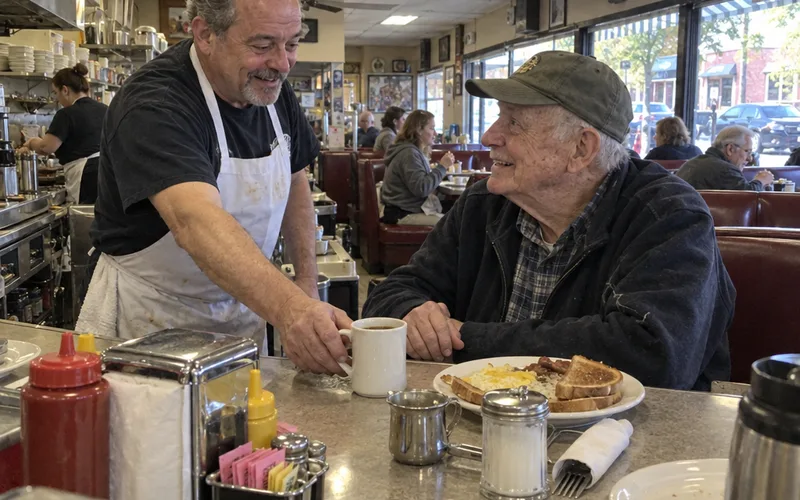
- Recognition. Being greeted by name, or hearing “the usual?”, tells a guest they matter here.
- An easy visit. Short waits, a menu that’s simple to read and fast payment remove reasons to go elsewhere.
- Fair value. Guests don’t need the lowest price, but they need to feel the plate was worth it.
- A reason to return. A loyalty reward, a weekly special or a birthday treat gives the next visit a nudge.
Most of that list is service, not software. Good restaurant customer service covers the first 4, and a simple loyalty program handles the fifth.
So if you only fix one thing this month, fix the one guests mention most often in reviews and comments.
How to Build Customer Loyalty in a Restaurant: 7 Strategies
You build restaurant customer loyalty by getting every visit right, recognizing regulars, staying in touch with permission and rewarding repeat visits. The 7 strategies below run in the order I’d start them, and most cost nothing but time.
1. Get the Basics Right on Every Visit
The basics are the food, the wait and the welcome, and they come first because no reward fixes a bad meal. A guest who had a cold plate won’t come back for a free drink.
Pick the 1 or 2 complaints you hear most, such as long waits on Friday or orders that come out wrong, and fix those before you launch anything new.
Pro Tip: Read your last 20 reviews and tally every complaint. The one that shows up most is your first loyalty project.
2. Learn Names, Faces and Usual Orders
Recognition is a loyalty tool chains struggle to copy, and it costs nothing but attention.
To make it a habit:
- Write regulars’ names and usual orders on a card behind the counter.
- Mention 1 regular by name at every pre-shift huddle.
- Ask a new guest’s name when they order, then use it when the food comes out.
Say a guest named Luis orders the same chile verde plate every Thursday.
The day a server says “Chile verde again, Luis?” is the day he starts telling coworkers about you.
3. Collect a Way to Reach Guests (With Permission)
A list of guests you can contact is what turns a one-time visit into a relationship you own. Without it, you’re waiting and hoping they remember you.
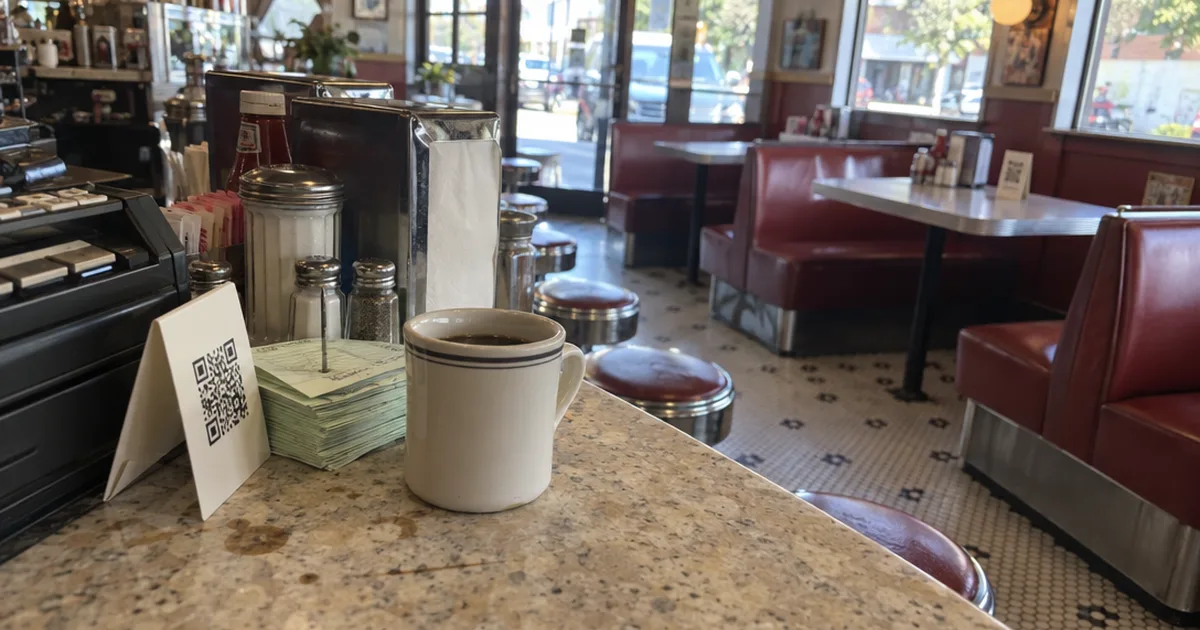
Ask for an email address or a mobile number at the register, through a QR code on the receipt or when a guest joins your loyalty program. Tell them exactly what they’ll get, such as a birthday treat and a monthly newsletter, and stick to it.
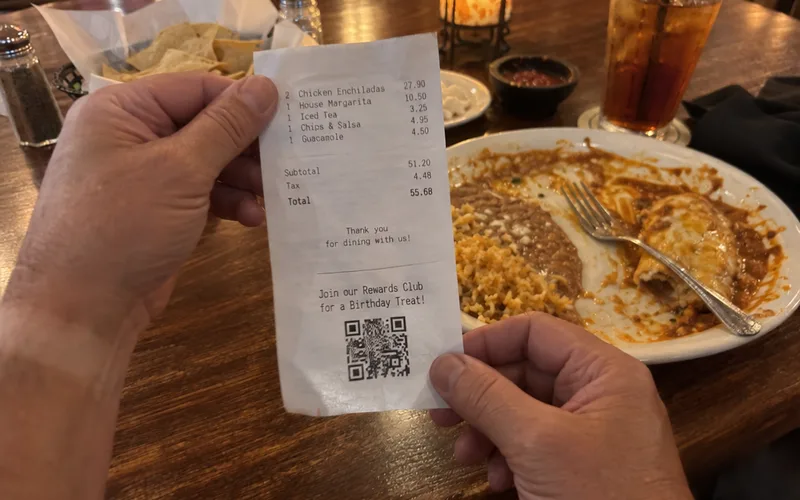
Note: Respect privacy by sending only the messages people agreed to get, with an easy way to opt out. Text messages also have consent rules, so learn how restaurant text marketing opt-ins work before you send the first one.
4. Start a Simple Loyalty Program
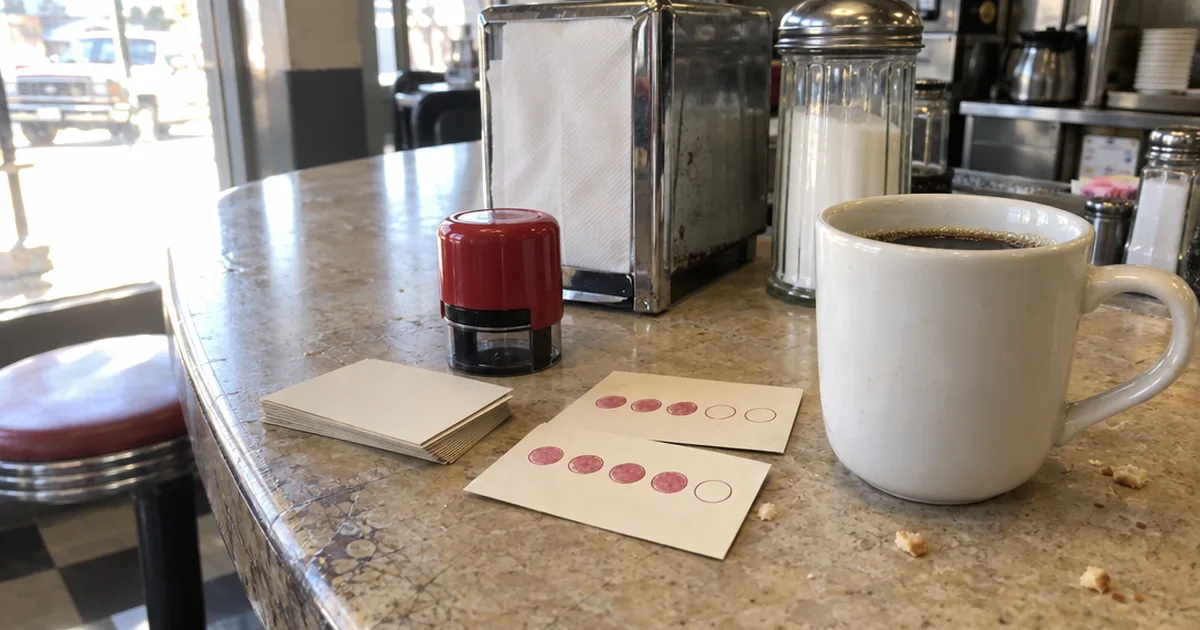
A loyalty program gives guests a clear reason to make the next visit instead of trying somewhere new. Start simple: one card, one reward, one rule that staff can explain in a sentence.
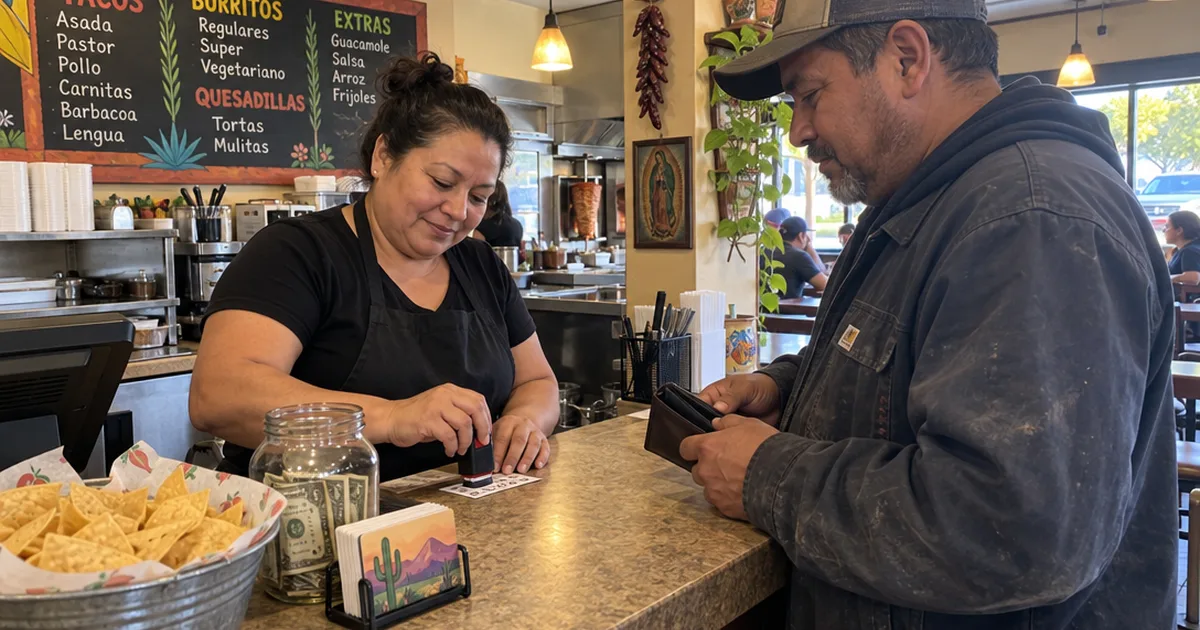
For most independent restaurants, that’s a visit-based punch card such as “Buy 8 lunches, get the 9th free.” You can grow into points or tiers later, and the full loyalty program setup is a separate project.
What to say at the register: “Want a free lunch on us? Every visit gets a stamp, and your 9th lunch is free.”
5. Say Thank You After the First Visit
A short thank-you after a guest’s first visit gives them a personal reason to make a second one, because it shows a real person noticed them.
If you have their email or number, send a message within a day or two. If you don’t, a handwritten note in a takeout bag works too.
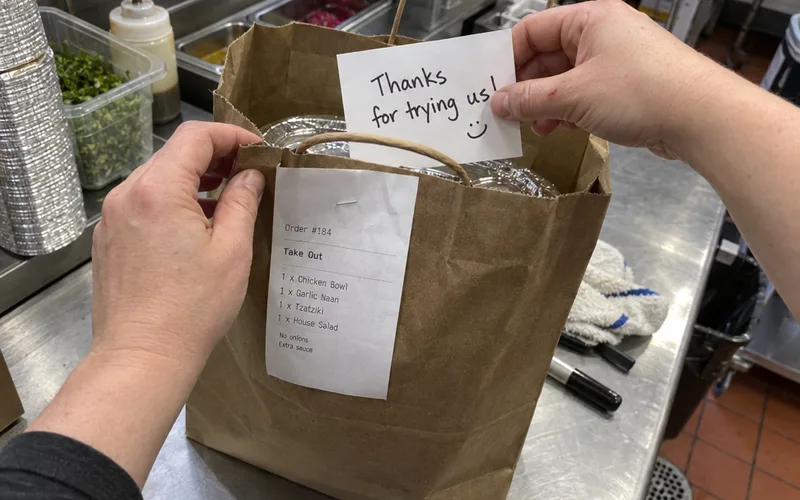
For example:
“Thanks for trying us last night, Dana! Your next coffee is on us, just show this text.”
Keep it short and personal, and borrow more thank-you wording after a visit when you want variety.
6. Celebrate Birthdays and Milestones
A birthday reward feels like a gift instead of an ad, which makes it an easy message to send without seeming pushy. It also gives the guest a reason to plan a meal with friends at your place.
Ask for a birth month (not the full date) when guests join your list. Then send a free dessert or appetizer by text or in your newsletter, good for the whole month, so they can plan a dinner around it.
Milestones work the same way. A guest’s 25th visit or the anniversary of their first visit is a great moment for one of these small appreciation gestures.
7. Team Up With Nearby Businesses
A local partnership with a business that doesn’t compete with you, such as a gym, salon, bookstore or movie theater next door, gives both of you a way to reward the same neighborhood regulars. It adds value without deeper discounts.
The simplest version is a swap: their customers get a free drink at your place, and your guests get a perk at their shop. Each of you hands out the other’s offer at the counter.
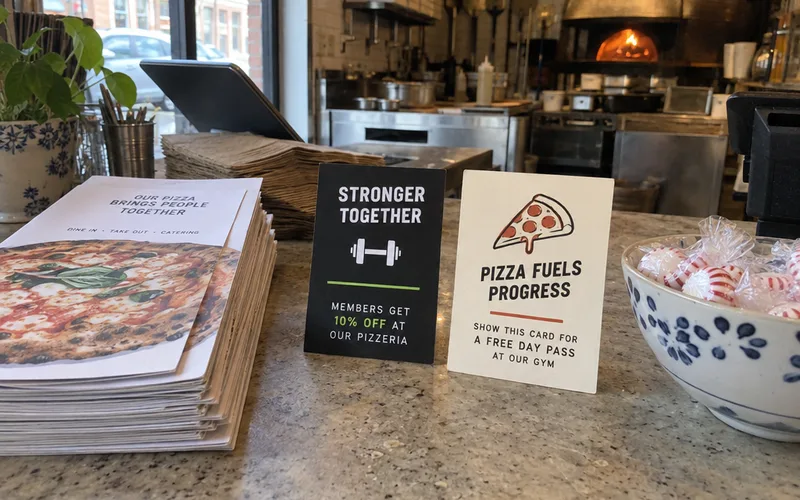
Here’s what to say to the owner: “We share a lot of the same regulars. Want to trade a small perk, so your customers get a free drink here and ours get 10% off with you?”
Pick a partner whose customers look like yours. A pizzeria near a youth sports field and a taqueria next to a gym are natural fits, because the same people pass both doors every week.
Key Takeaway: Strategies 1 and 2 cost nothing and make the rest work, so do them first.
Do Restaurant Loyalty Programs Actually Work?
Restaurant loyalty programs work when guests can reach the reward: Deloitte research reported by business.com found that 72 percent of American shoppers say loyalty programs encourage them to buy from brands, and half buy more because of them.
A reward that’s too far away, too small or too hard to claim does the opposite. A guest who’s 3 stamps into a 20-stamp card simply forgets about it.
So what does a working program look like? Guests can explain it in one sentence, reach the first reward in a few weeks and redeem it without asking a manager.
In other words, a program rewards loyalty you’ve already earned with food and service; it never replaces them. Seeing how other loyalty rewards programs work helps you set a first reward guests can reach.
Types of Restaurant Loyalty Programs
Restaurant loyalty programs come in 5 main types: visit-based punch cards, points programs, tiered programs, paid subscriptions and game-style challenges. If you’re new to loyalty, start with a punch card, because guests already understand it.
The table compares them on how guests earn and where each fits:
| Program type | How guests earn | Best for |
|---|---|---|
| Punch card | 1 stamp per visit | Cafes, taquerias, pizzerias |
| Points | Points per dollar | Varied check sizes |
| Tiered | Perks grow with visits | Busy regulars |
| Subscription | Monthly fee for perks | Daily coffee or lunch |
| Challenges | Badges and goals | App-based programs |
The right type depends on how often your guests visit and how much their checks vary. A coffeehouse with daily regulars fits a punch card, while a family restaurant with $20 and $80 checks fits points.
Punch Cards and Visit-Based Programs
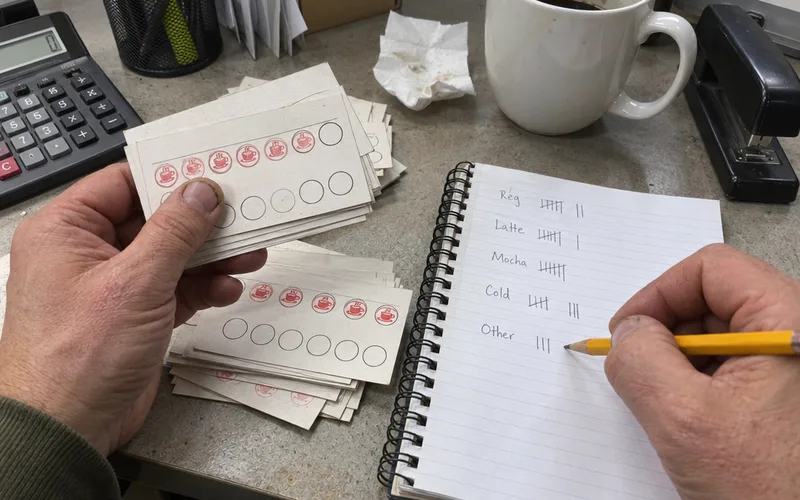
A punch card rewards the number of visits, such as a free item after 8 or 10 stamps. It’s the easiest program for guests to understand and for staff to explain.
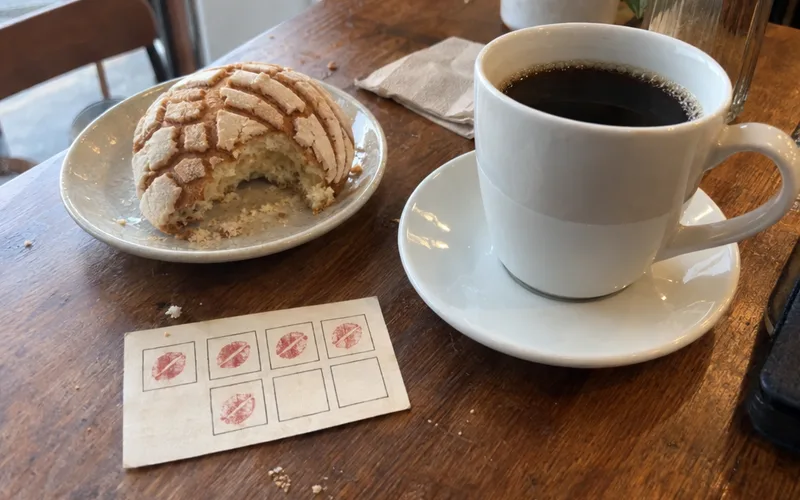
The downside is that a $5 visit and a $50 visit earn the same stamp, so points fit better if your checks vary a lot.
For a modern version, a digital punch card works the same way but lives on the guest’s phone.
Points Programs
A points program gives guests points for every dollar they spend, then lets them trade points for rewards. Bigger spenders earn faster, which feels fair to them.
Points need a Point-Of-Sale (POS) system or app to track balances, so they’re harder to run on paper. Keep the math simple, such as 1 point per dollar and a free appetizer at 100 points.
Tiered Programs
A tiered program moves guests up levels, such as Regular and VIP, as their visits grow, with better perks at each level. It rewards your very best guests without giving the same perks to everyone.
Tiers work best once you already have a crowd of regulars. These tiered loyalty programs take more planning, so they’re rarely the right first step.
Subscriptions and Memberships
A subscription program charges guests a monthly fee for ongoing perks, such as a daily coffee or a weekly lunch discount. It gives you predictable income and gives the guest a reason to visit often.
Subscriptions are growing fast across many industries. Business.com reports, citing the Subscribed Institute, that subscription-based companies grew 3.7 times faster than traditional S&P 500 companies over the past decade.
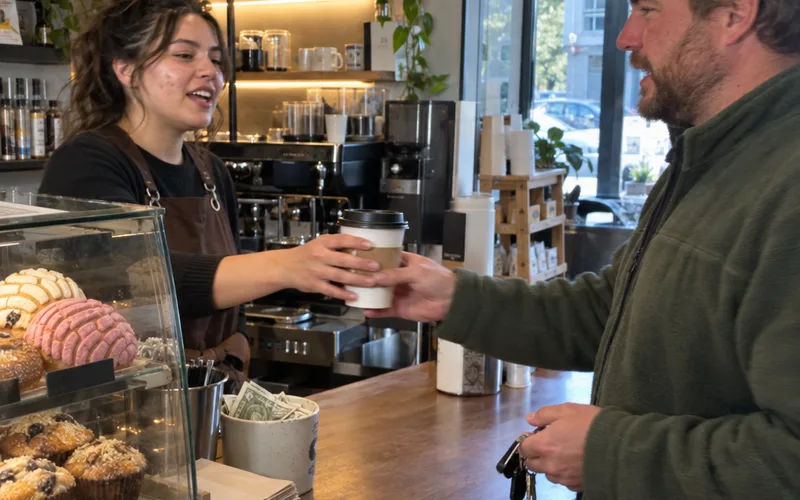
That doesn’t mean every restaurant should sell one. A subscription fits a place with daily regulars and a low-cost item, such as drip coffee, and it needs a payment system that can bill monthly.
Gamification and Challenges
Gamification adds game-style goals, such as “try 3 new menu items this month,” to a loyalty program. Progress bars and badges make guests want to finish.
Challenges usually need a mobile app, so they suit busier restaurants with a tech budget. A small place can borrow the idea on paper with a “Taco Passport” that gets stamped for each new item.
Punch Card, App or Wallet Card: Which Should You Use?
A small restaurant should pick the loyalty tool guests will actually carry: paper cards for the simplest start, a POS add-on if you already have one, an app only for busy spots, or an Apple Wallet or Google Wallet card. Each one trades cost and effort against data.
Paper Punch Cards
Paper cards are the cheapest and fastest way to start, since all you need is a printer and a stamp. Guests understand them the moment you hand one over.
The trouble is that paper cards get lost, they’re easy to fake, and they don’t tell you who your regulars are. You get loyalty but no data, and no way to reach a guest who stops coming.
POS Loyalty Add-Ons
A POS loyalty add-on tracks visits or points automatically when a guest pays with a phone number or card. Many POS systems, such as Square and Toast, offer one.
The upside is that it runs itself at checkout and records each guest’s visits. The downside is a monthly fee and a sign-up step at the register, so compare the fee on your POS pricing page, or a Square Loyalty breakdown, with how many guests you expect to join.
Branded Mobile Apps
A branded mobile app gives guests ordering, rewards and push notifications in one place. It’s the most powerful option and the hardest to get guests to use.
The reason: every guest has to find, download and log into your app before earning a single reward. That’s a big ask for a neighborhood pizzeria, so apps make most sense for multi-location or very high-volume restaurants.
Apple Wallet and Google Wallet Cards
A digital loyalty card in Apple Wallet or Google Wallet works like a punch card that lives on the guest’s phone, with no app to download. Guests add it by scanning a QR code at the counter.
It keeps the simplicity of paper and adds the data: you can see who’s visiting and send a reminder when a guest is close to a reward. Before you choose one, learn how to pick and price loyalty cards for a small team.
I recommend a digital wallet card for most independent restaurants, because it’s as easy as paper and still tells you who your regulars are.
How to Pick Rewards Guests Actually Want
The best loyalty program rewards are items customers already order that cost you little to give and take only a few weeks to earn. I’d pick a free side or drink over a percentage discount, because it feels like a gift instead of a sale.
Use this quick checklist before you choose:
- Guests can earn it within about 4 to 8 visits.
- It’s something regulars already buy, not a dish nobody orders.
- Your food cost on it is low compared with the check it brings in.
- Staff can redeem it in 10 seconds without a manager.
If you’re stuck, start from a list of punch card reward ideas and cross off anything your regulars never order.
Worked Example: What a Free Item Really Costs
This hypothetical example uses made-up numbers, so swap in your own. Say your average lunch check is $14 and your reward is a free $4 side after 8 lunches.
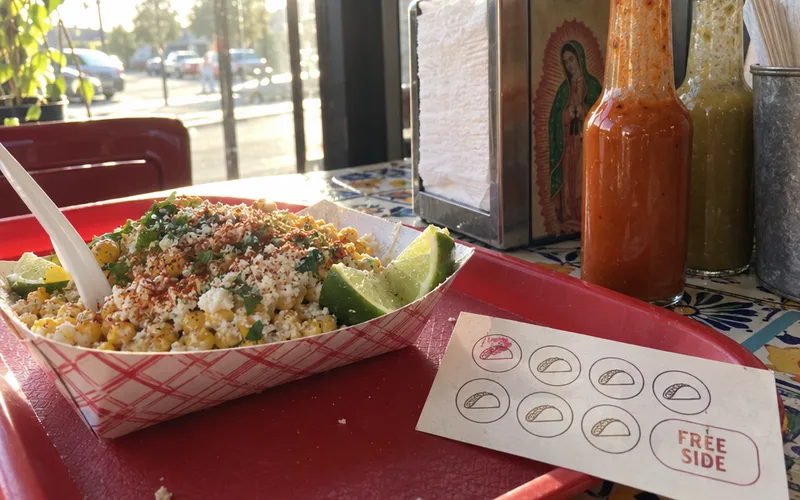
If that side costs you about $1.20 in ingredients, you give $1.20 for 8 visits worth $112 in sales. Even if only half those visits are extra visits the card caused, that’s $56 in sales for a $1.20 reward.
Not bad.
So when you price a reward, compare your food cost on the reward with the extra visits it earns, not the menu price.
How to Measure Restaurant Customer Loyalty
You measure restaurant customer loyalty with 3 numbers: your repeat visit rate, how often regulars visit and how long it’s been since each guest’s last visit. All 3 come from your POS, your loyalty program data or even a stack of punch cards.
Each one tells you something different:
- Repeat visit rate. Your customer retention for a set period, such as 90 days: the share of guests who came back at least once.
- Visit frequency. The average number of visits per returning guest in that period.
- Days since last visit. How long each regular has been away, which flags who needs a win-back message.
In a hypothetical example, if 400 guests joined your card program in 90 days and 140 came back at least once, your repeat visit rate is 35%. Track it every month and watch which way it moves.
Don’t chase a perfect number on day 1. The trend matters more, and working out your customer retention rate over a few months gives you your own benchmark.
Once these 3 feel routine, add other customer metrics such as average check per regular.
Pro Tip: Pick one day each month, such as the 1st, to check your 3 numbers. It takes 15 minutes and catches problems early.
How to Win Back Regulars Who Stopped Coming
You win back a lapsed customer by reaching out personally soon after they break their usual rhythm, with a short message and a small, specific reason to return. A weekly guest who’s been gone 3 or 4 weeks is worth a note.
The timing matters more than the offer. Reach out too late and they’ve already found a new favorite spot.
Here’s what to send:
“Hi Sam, we haven’t seen you in a few weeks and wanted to check in. Your next drink is on us, just show this message. Hope to see you soon!”
Send it by email, as part of your newsletter or as a text if they opted in. For longer versions, use this lost customer letter wording, and plan follow-ups with your restaurant email marketing.
If they reply with a complaint, thank them and fix it. That reply is feedback you’d otherwise never hear.
Common Restaurant Loyalty Mistakes
Restaurant loyalty programs usually stall for one of 5 avoidable reasons: the reward is too far away, staff never mention it, it trains guests to wait for discounts, sign-up asks too much, or nobody looks at the data. Each one is easy to spot:
- The reward is too far away. A 20-stamp card feels impossible. Shorten it.
- Staff don’t mention it. If nobody offers the card at checkout, guests never join. Make it part of every order.
- Discounts replace hospitality. Constant coupons train guests to visit only for deals.
- Sign-up takes too long. Asking for 6 pieces of information at a busy counter kills momentum. Ask for a name and one contact method.
- Nobody reads the numbers. Without a monthly check, you won’t know whether the program improves customer retention.
Each of these is cheap to fix, so start with whichever one your staff would admit to first.
Where to Start This Week
Restaurant customer loyalty starts with consistent food and a welcome guests remember, and a simple reward makes the habit stick.
This week, pick one reward, print or set up one card, and ask every guest at the register if they’d like it.
Frequently Asked Questions
What is a loyal customer in a restaurant?
A loyal restaurant customer is a guest who returns on a regular rhythm by choice and would pick your place even when a cheaper or closer option exists. Loyal guests also recommend you, forgive the odd slow night and tell you when something’s wrong instead of just leaving.
How do you get customers into your restaurant?
Customers come into a restaurant through things you control: a complete Google Business Profile, visible signage, word of mouth from current regulars and offers that give a first-timer a reason to try you. Once they’re inside, a punch card or wallet card handed over at the register gives them a reason to make visit 2.
What are five effective strategies for retaining customers?
Five effective strategies for retaining restaurant customers are consistent food and service, learning regulars’ names and orders, a simple loyalty program with a reachable reward, a thank-you message after the first visit and a personal win-back note when a regular goes quiet. Start with the loyalty program, because it also gives you the contact list the other 4 need.
Is a loyalty program worth it for a small restaurant?
A loyalty program is worth it for a small restaurant when the reward is reachable and cheap to give. Deloitte research reported by business.com found that 72 percent of American shoppers say loyalty programs encourage them to buy from brands, and business.com estimates a new customer costs 5 to 10 times more to win than an existing one costs to keep.