54 of the 60 welcome lines below are 15 words or fewer. That’s short enough to say while you hand over a menu, or to read on a phone’s lock screen without opening the text.
A good short welcome message for customers doesn’t need clever writing. It needs the right words in the right place, said the same way every time.
So I sorted these lines by where you’ll use them, starting with the ones you can say at your door today. Each one comes with who it suits, what it costs, how long the lines run, how fast you can start and the first step to take.
- Running a busy counter with no time to write? Lines in #1 and #2 work at your next shift.
- If guests text or message you before they ever walk in, start with #6 or #7.
- Already handing out a punch card? Go straight to #8.
How These Welcome Messages Are Ranked
These 60 short welcome messages are ranked by how fast you can start using them: the 5 spoken and printed spots that work the same day come first, then the 5 phone and online channels that need about a week of setup. Within each group, they’re in the order I’d set them up.
Every spot is free or close to it, so cost doesn’t separate them.
Time does.
A door greeting takes one staff huddle, while a welcome text needs a texting service and a list of guests who said yes.
Each numbered spot gets the same quick facts: who it’s best for, what it costs, how long the lines run, how fast you can start and one first step for today. The word counts in each Length line come from the lines themselves, so you know exactly what you’re copying.
60 Short Welcome Messages for Customers, Sorted by Where You Use Them
The best short welcome message for customers greets them, names your business or their name, and gives one next step in about 20 words or fewer. A classic example is “Welcome to Rosa’s, sit anywhere and I’ll bring menus,” because it tells a new guest exactly what to do.
The 50 lines below are split into 10 spots, from your front door to your inbox, with funny and grand opening lines after them.
Swap the brackets for your own details before you use a line.
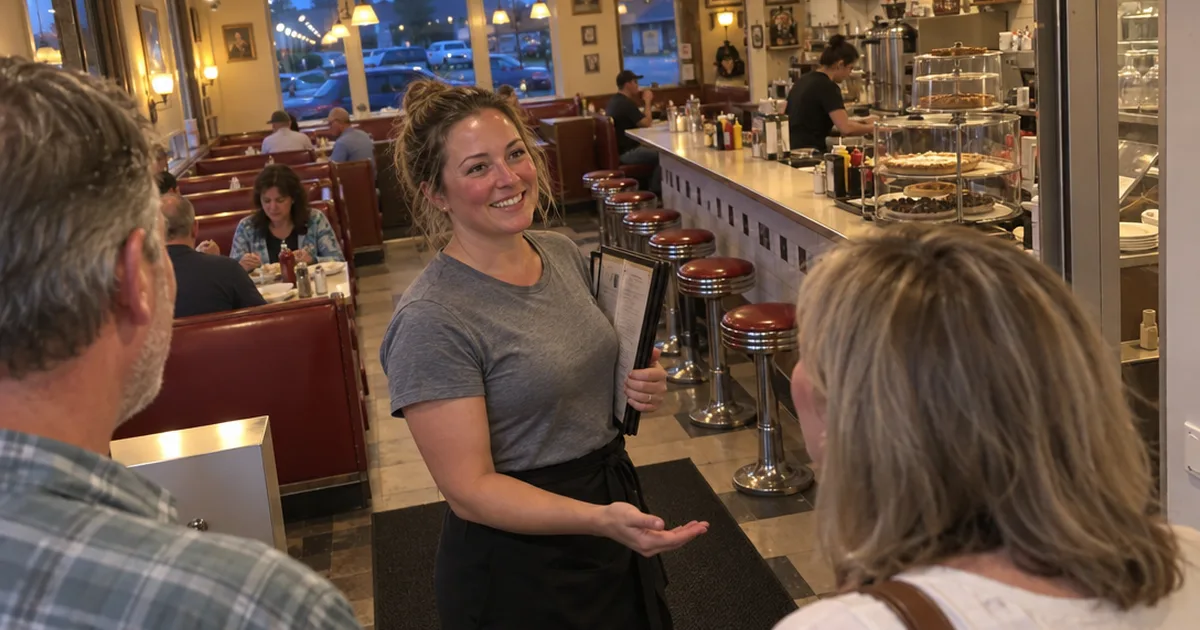
1. Greet Them at the Door or Counter
Say a welcome out loud within the first few seconds a guest walks in.
It’s the first thing every customer hears from your business, and it costs nothing.
- Best for: Any restaurant, cafe, bakery or salon with a door and a person near it. Skip it if nobody can see the door from where they work; move a station or add a door chime first.
- Cost: Free.
- Length: 10 to 13 words per line.
- Time: Same day.
- First step: Pick one line below and read it to your staff before your next opening.
Here are 5 door and counter greetings you can use tonight:
- “Hi, welcome in! Sit anywhere you like, and I’ll bring menus.”
- “Welcome to [Business]! Is this your first time with us?”
- “Good morning! The coffee’s fresh, and I’ll be right with you.”
- “Welcome! It’s about a [10]-minute wait tonight. Can I get you a drink?”
- “Hey, welcome! Today’s special is [dish], if you’re feeling hungry.”
The second line does the most work.
“Is this your first time with us?” tells you who needs a quick tour of the menu and who already knows the drill.
When a guest says yes, have one follow-up ready: “Great, our [dish] is what people come back for, so holler with any questions.”
That one question turns a greeting into the start of a regular.
Busy rushes are where door greetings fall apart.
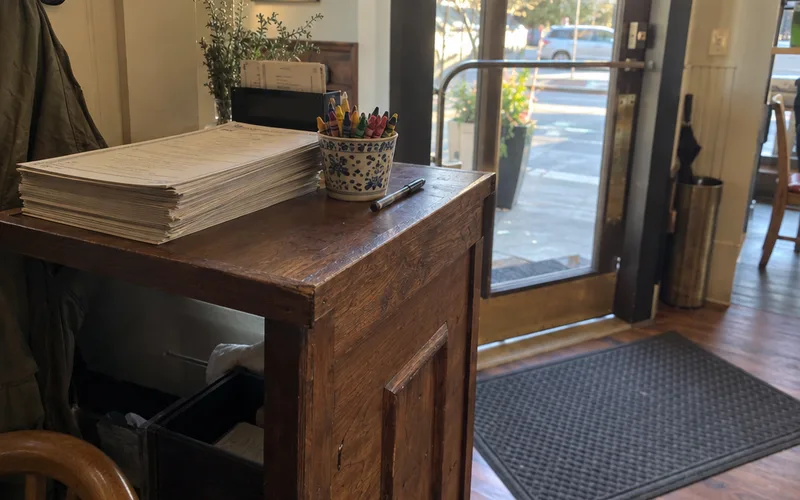
When your hands are full, a nod, eye contact and “I see you, be right there” still count as a welcome, while silence feels like being ignored.
In other words, never let a guest stand at the door wondering if anyone noticed.
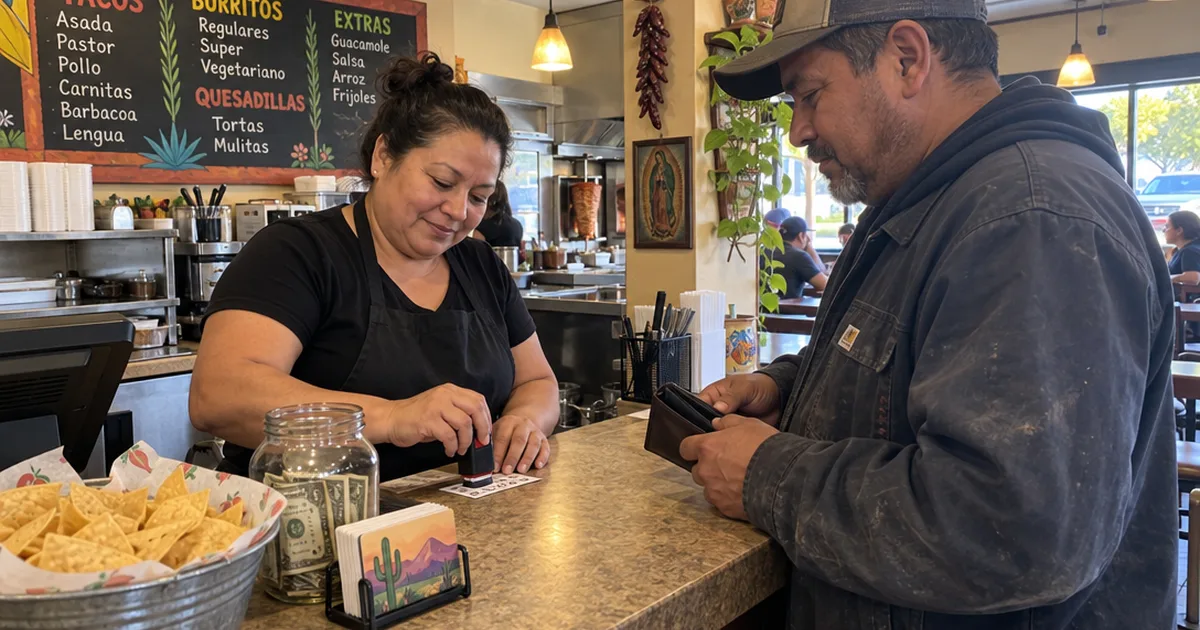
2. Welcome Back Your Regulars
Greet returning guests by name, or by their usual order, the moment you spot them.
A welcome back tells a regular they matter here, and big chains have a hard time copying that.
- Best for: Diners, cafes, barbershops and pizzerias that see the same faces every week. Skip it if most of your guests are tourists passing through once.
- Cost: Free.
- Length: 6 to 10 words per line.
- Time: Same day.
- First step: Write the names and usual orders of your 5 most frequent guests on a card by the register.
Here are 5 welcome back lines for returning customers:
- “Welcome back, [Name]! The usual today?”
- “Hey, [Name], good to see you again. Your booth’s open.”
- “Welcome back! It’s been a while. We missed you.”
- “There’s my Tuesday regular! Same order, or something new?”
- “Welcome back! You’re one stamp away from a free [coffee].”
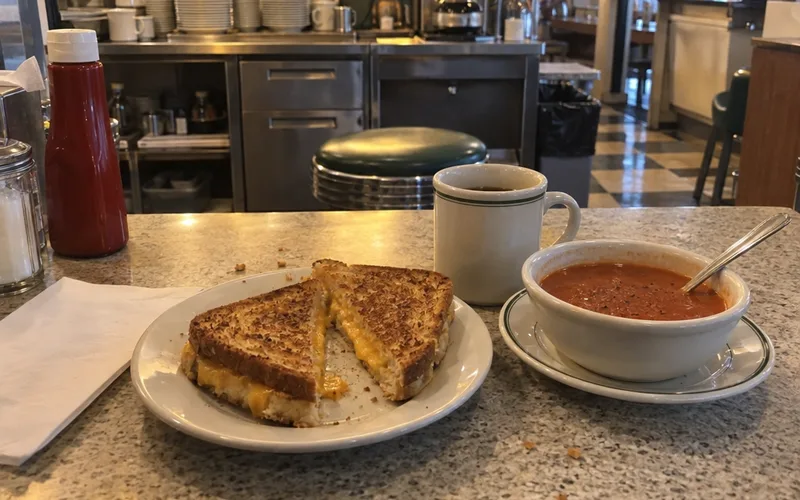
Say a regular comes in every Friday for a grilled cheese and tomato soup.
The first week, you learn her name.
The second week, you say “Welcome back, Maria, soup and grilled cheese?” before she reaches the counter.
That small moment is brand loyalty in its plainest form: she comes back because you remember her.
A regulars card keeps the whole team on the same page:
- Their name, written the way they say it.
- Their usual order and any change they like, such as no onions.
- One personal detail they shared, like a new job or a dog’s name.
- The day and time they usually come in.
Read the card at the start of each shift, just like the specials. And if you want more ways to show regulars you notice them, these customer appreciation ideas go well past the greeting.
Key Takeaway: A regular’s name is the shortest welcome there is, and the most powerful one.
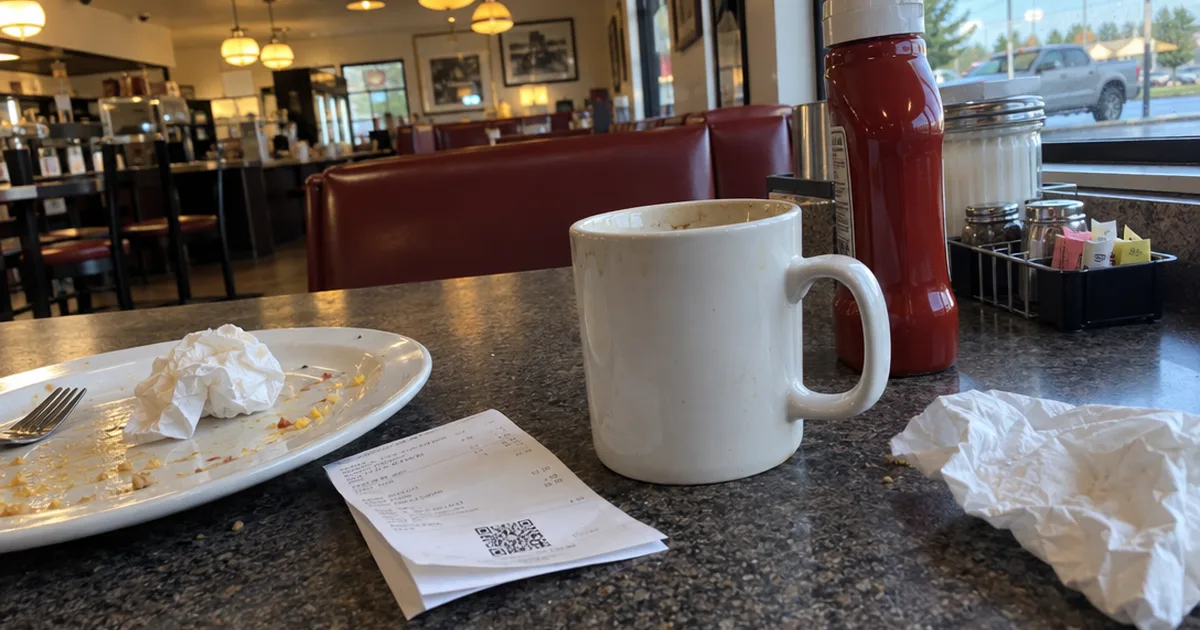
3. Write It on the Receipt or Check
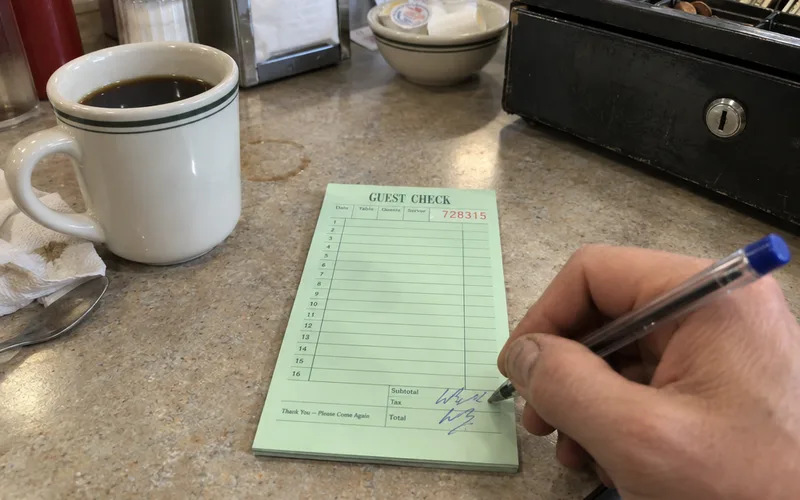
Put a short welcome on the receipt, either printed in the footer or handwritten on the check.
Every paying customer holds that slip of paper, so it’s a welcome nobody misses.
- Best for: Table service and counter service with printed receipts. Skip it if your receipts are digital only and nobody reads them.
- Cost: Free (a receipt footer or a pen).
- Length: 7 to 12 words per line.
- Time: Same day.
- First step: Open your point-of-sale settings and look for a receipt footer or custom note field.
Here are 5 receipt and check lines for first-time and new customers:
- “Thanks for visiting [Business]! First time? We hope it’s not your last.”
- “Welcome to the neighborhood table. See you soon! - [Server]”
- “So glad you found us. Come back hungry!”
- “Welcome! Show this receipt next visit for [a free cookie].”
- “New here? Follow @[handle] for tonight’s specials.”
Printed and handwritten lines do different jobs, so set them up in this order:
- Print a general welcome in the receipt footer first. It runs on every ticket with no extra effort, which makes it your baseline.
- Ask servers to hand-write a first-name sign-off on checks for first-time guests. A signature turns “the restaurant thanks you” into “Jess thanks you,” and people remember Jess.
- Add a reason to come back on the printed footer once a month, such as a new dish or a slow-night perk, so the line never goes stale.
You can also print a QR code on the receipt that opens your rewards card, so the welcome comes with a next step.
A welcome on the receipt is different from a thank-you after the visit. If you want to follow up a few days later, a proper thank-you after a visit is its own message with its own timing.
Pick one footer line today, because it will greet every single paying guest from now on.
4. Tuck a Note in the Takeout Bag
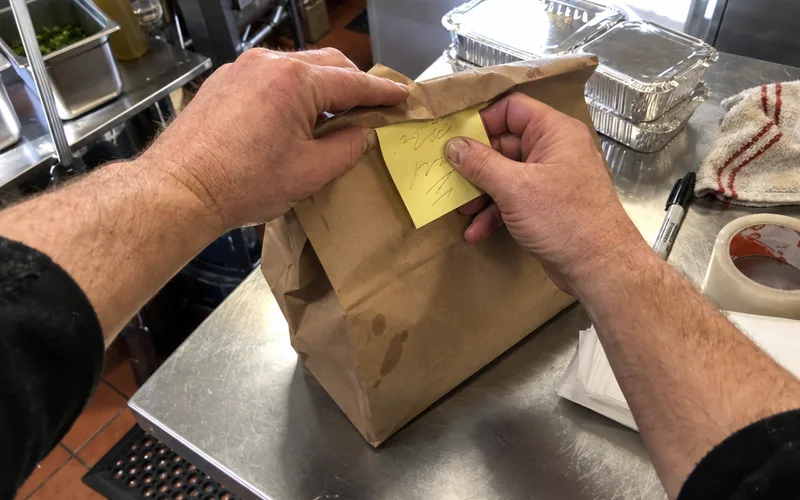
Add a short handwritten or printed note to every takeout and delivery bag.
For takeout guests, the bag is the whole visit, so the note is your only face-to-face moment.
- Best for: Pizzerias, taquerias and cafes with a lot of takeout or delivery. Skip it if your bags are sealed before anyone on your team can add a note.
- Cost: A pad of sticky notes or a stack of printed cards.
- Length: 9 to 14 words per line.
- Time: Same day.
- First step: Put a pen and sticky notes at the packing station before your next shift.
Here are 5 takeout bag notes:
- “Thanks for ordering from [Business]! Enjoy it while it’s hot.”
- “Welcome to the [Business] family. Extra napkins are in the bag.”
- “First order with us? We packed it with care. Tell us how we did!”
- “Hope this makes tonight a little easier. See you next time!”
- “Order direct next time at [website] and earn rewards.”
The last line matters most for delivery orders that come through an outside app.
That guest may not even know your name, because the app put its own brand on the order. A note with your website turns an app customer into your customer, and that relationship is worth far more than one order.
Here’s a simple setup that works on a busy night:
- Pre-print a stack of cards with your welcome line and website.
- Leave a blank space for a quick handwritten touch, like “Enjoy, [Name]!”
- Add a punch card or a QR code to your rewards for first orders.
- Keep the stack and a pen where the bags get sealed.
In other words, let the bag do the talking when you can’t.
5. Put a Welcome Quote on a Sign or Table Card
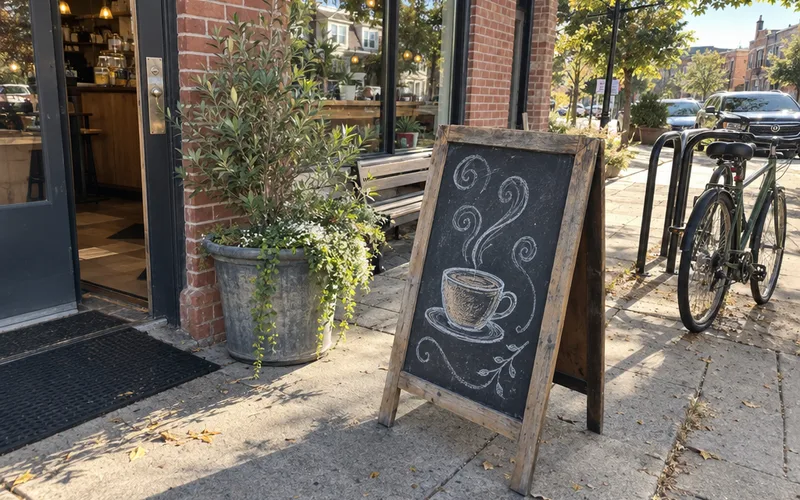
Write a short welcome quote on your sidewalk sign, a chalkboard, a table card or the top of your menu.
A sign greets people before anyone on your team can, including folks just walking by.
- Best for: Dine-in spots, cafes and bakeries with foot traffic or a sidewalk sign. Skip it if you have no wall, window or sign space at all.
- Cost: Free, if you already own a chalkboard or sign.
- Length: 5 to 9 words per line.
- Time: Same day.
- First step: Write one line below on your sidewalk sign before you open tomorrow.
Here are 5 short welcome quotes for guests:
- “Come in hungry, leave happy.”
- “Strangers are just regulars we haven’t met.”
- “Pull up a chair. You’re one of us now.”
- “Good food, good people, and you’re welcome here.”
- “Welcome in. The coffee’s hot and waiting.”
Short quotes work on signs because people read them in a glance as they walk past.
Keep each line to about 8 words, write it big and change it when the season changes so regulars notice something new.
Where should it go? Here are the spots that get read most:
- The sidewalk sign or front window, for people deciding whether to come in.
- The host stand or counter, where guests wait.
- A table card, next to your Wi-Fi password or rewards QR code.
- The top of the menu, right above the first dish.
Pro Tip: Match the quote to your brand. A playful line fits a donut shop, while a white-tablecloth spot should keep it simple and warm.
6. Send a Welcome Text After Someone Opts In
Send one short welcome text the moment a guest agrees to get texts from you.
That first text sets the tone for all your communication by phone, and it often decides whether they stay on your list.
- Best for: Restaurants that already collect phone numbers, or plan to with a texting service. Skip it if you don’t have a texting service yet.
- Cost: Whatever your texting service charges for its plan.
- Length: 14 to 18 words per line, including the opt-out line.
- Time: This week.
- First step: Find the welcome or auto-reply setting in your texting service and paste in one line below.
Here are 5 welcome texts for new subscribers:
- “Welcome to [Business] texts! Expect 2 or 3 texts a month with specials. Reply STOP to opt out.”
- “You’re in! Show this text for [a free drink] on your next visit. Reply STOP to unsubscribe.”
- “Hi from [Business]! Thanks for joining. Tonight’s special: [dish]. Reply STOP to opt out.”
- “Welcome! Text us anytime to order ahead or ask about tables. Reply STOP to end texts.”
- “Thanks for signing up, [Name]! Your first reward is waiting at the counter. Reply STOP to opt out.”
Every text needs the guest’s permission first, and the restaurant text marketing basics cover how to collect opt-ins the right way and how often to text.
So treat these lines as the first step after a guest says yes, never as a cold text to a number you found somewhere.
Notice that each line names the business in the first few words.
People get texts from numbers they don’t recognize all day, and your name up front tells them this one is from the cafe they just visited. The first line also says how many texts are coming, so worried guests don’t opt out just to be safe.
Note: Keep a clear way to opt out, like “Reply STOP,” in every welcome text, so guests trust that they’re in control.
7. Set Up a WhatsApp Greeting Message
Turn on the automatic greeting message in the WhatsApp Business app and write a short welcome for anyone who messages you.
If your guests already message you on WhatsApp, the greeting answers them even when your hands are full.
- Best for: Restaurants and shops whose customers already use WhatsApp to order or ask questions. Skip it if nobody has ever messaged you there.
- Cost: Free to download the WhatsApp Business app.
- Length: 14 to 17 words per line.
- Time: This week.
- First step: Open the WhatsApp Business app, go to Business tools and find the greeting message setting.
Here are 5 WhatsApp welcomes for new customers:
- “Hi! Thanks for messaging [Business]. Want to order, book a table or ask a question?”
- “Welcome to [Business]! We reply within [1 hour] during open hours, [11 a.m. to 9 p.m.] daily.”
- “Hello and welcome! Send your order here, and we’ll message you when it’s ready.”
- “Thanks for reaching out! Our menu is here: [link]. What can we start for you?”
- “Hi there! We’re closed right now, but we’ll answer first thing at [10 a.m.].”
The first line is the safest pick for most places.
It gives the guest 3 clear choices, so they don’t have to guess what to type next.
The catch?
A reply time you can’t keep is worse than no reply time at all.
If the greeting says “within 1 hour,” someone needs to check the phone at least that often during open hours. So if you’re a two-person team, promise “today” instead and beat it.
Here’s what that looks like in practice: “Thanks for messaging Rosa’s! We answer every chat the same day, usually faster.”
8. Welcome New Loyalty Members
Give every new rewards member a short welcome that tells them how to earn their first reward.
The welcome is the moment a guest decides whether your punch card is worth keeping or tossing.
- Best for: Any business with a punch card, a rewards app or a digital card in Apple Wallet or Google Wallet. Skip it if you don’t run rewards yet.
- Cost: Free to write; your rewards tool sets the rest.
- Length: 10 to 13 words per line.
- Time: This week.
- First step: Write one line below on your card’s back, or set it as the first note your digital card sends.
Here are 5 welcome lines for new loyalty members:
- “Welcome to the club! Buy 9 coffees, and the 10th is on us.”
- “You’re in, [Name]! Here’s your first stamp. Only [7] to go.”
- “Thanks for joining [Business] Rewards. Show this card at checkout to earn.”
- “Welcome! Save this card to your phone’s wallet so it’s always with you.”
- “Welcome aboard! Your birthday treat is already on the calendar.”
A loyalty program welcome has one job: make the first reward feel close.
That’s why the second line gives the first stamp right away. A guest who starts with 1 stamp on a 10-stamp card already feels a tenth of the way there.
Here’s how it works with a digital punch card:
- The guest scans a QR code at the counter and saves the card to their phone.
- The card shows your welcome line and their first stamp on the same screen.
- Every visit adds a stamp, and the card can remind them when a reward is close.
Because the card lives in the phone’s wallet, it can’t get lost in a coat pocket the way paper does. You can see how an Apple Wallet loyalty card looks and works before you set one up.
For the bigger picture on rewards that bring people back, these customer loyalty programs show what to reward and how to keep it simple.
Paper cards still work, too.
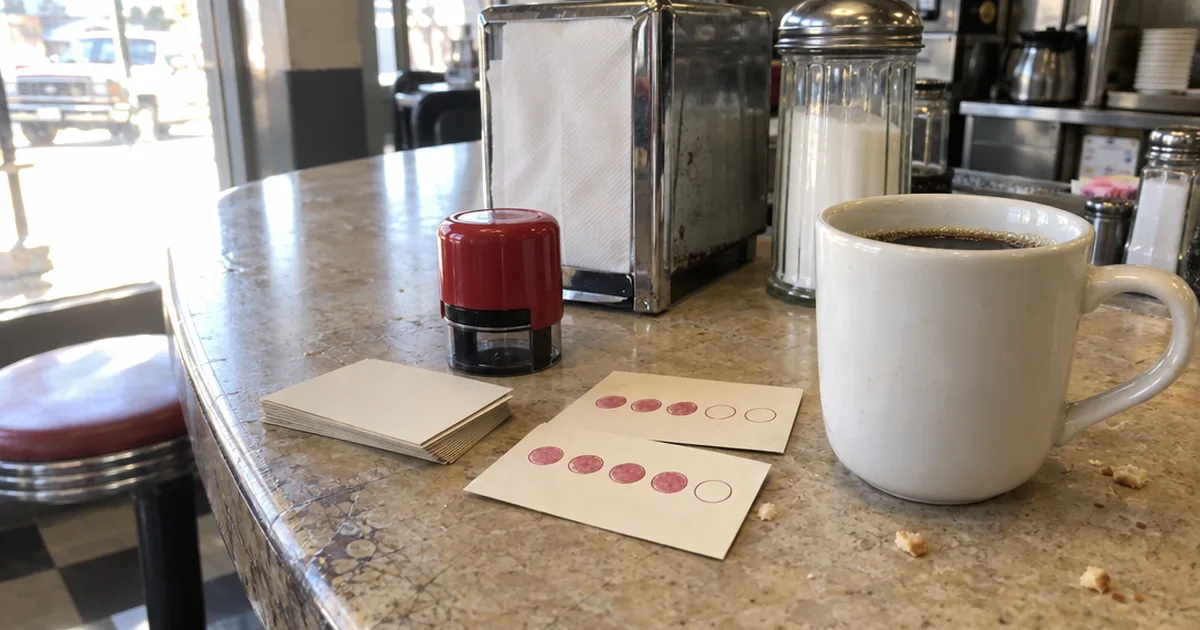
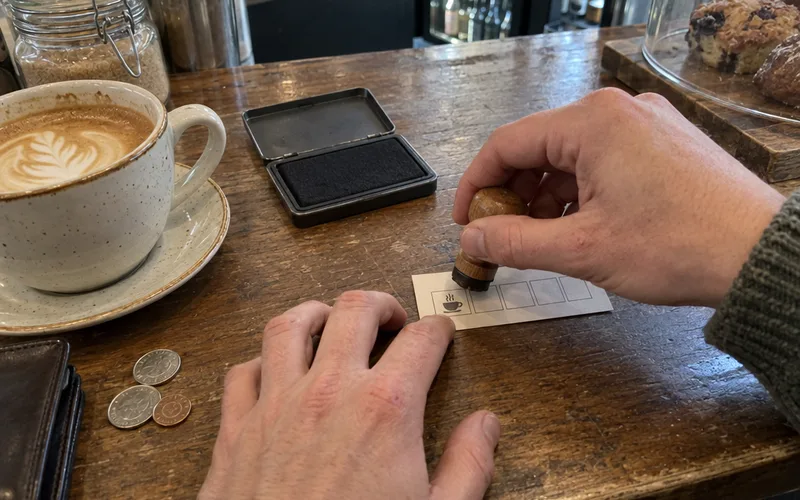
If you hand out a printed punch card, write the welcome line on the back and stamp the first box at the register while you say it out loud. The guest hears the welcome, sees the stamp and leaves with a reason to come back.
In other words, the welcome line and the first stamp should arrive together.
9. Send a Short Welcome Email
Send an automatic welcome email the moment someone joins your list.
It’s the first thing in their inbox from you, and it sets the tone for every newsletter after it.
- Best for: Businesses that collect addresses through a website, Wi-Fi login, online ordering or a sign-up sheet. Skip it if you have no sign-up list yet.
- Cost: Free to a monthly fee, depending on your newsletter tool.
- Length: Subject lines of 3 to 6 words and body lines of 11 to 15 words.
- Time: This week.
- First step: Turn on the automatic welcome in your newsletter tool and paste in one subject and body line below.
Here are 5 welcome subject lines, each with a short opening line:
- Subject: “Welcome to [Business]!” Body: “Thanks for joining. Expect one email a week with specials, and nothing else.”
- Subject: “You’re in (and dessert’s on us)” Body: “Show this email on your next visit for a free [dessert], any day this month.”
- Subject: “Welcome, [Name]. Here’s what’s cooking” Body: “Our [dish] is the one regulars order most, so start there.”
- Subject: “Glad you found us” Body: “We’re a family-run [diner] on [Main Street], open [7 a.m. to 3 p.m.] every day.”
- Subject: “Your first newsletter lands Friday” Body: “Every Friday, we’ll send the weekend specials and one kitchen story.”
Keep the whole welcome short: a greeting, one perk or useful detail, and one link to your menu or hours.
A long welcome reads like homework, and people skim it.
Here’s a hypothetical example of a full welcome in 3 lines:
Subject: Welcome to Rosa’s!
Thanks for joining, Dan. Show this email on your next visit for a free churro.
See you soon, Rosa and the team.
That’s 3 lines, and it gives Dan a reason to come back this week.
When you’re ready to plan what comes after the welcome, restaurant email marketing covers what to send and how often. And if your list is still empty, start by building an email list at the counter and on your receipts.
10. Greet Visitors on Your Website, Chat or Social Media DMs
Set an automatic first reply for your website chat and your social media inbox, so every online question gets a welcome right away.
New customers often meet you online first, before they ever smell the coffee.
- Best for: Restaurants and shops that get questions through Instagram, Facebook or a website chat box. Skip it if you rarely get questions online.
- Cost: Free.
- Length: 7 to 17 words per line.
- Time: This week.
- First step: Turn on the instant reply or auto-reply setting in your Facebook or Instagram business inbox.
Here are 5 online welcomes:
- “Hi! Welcome to [Business]. Looking for the menu, hours or a table?”
- “Thanks for the message! We’re a small team, so replies can take a few hours.”
- “Welcome! Today’s specials are posted here: [link].”
- “Thanks for following! Mention this message in person for [a free side].”
- “Hi! I’m the [Business] chatbot. I can share hours and the menu, or get a real person.”
A chatbot greeting is fine, as long as it says it’s automated and offers a real person.
Guests get frustrated when an automated reply pretends to be human and then can’t answer a simple question.
So be honest about automation and quick about the handoff.
Your online welcome only helps if people can find you in the first place. Your website and your Google Business Profile are often where new customers look first, so keep your hours and menu current there too.
Timing matters online too.
An automatic reply that lands within seconds feels like someone picked up the phone, while a reply the next morning feels like a missed call. If your team can’t answer live, let the welcome say when a person will reply and where to find the menu in the meantime.
Key Takeaway: Online, the welcome has to answer the question the guest came with, whether that’s hours, the menu or a table.
Funny Welcome Messages for Customers
Funny welcome messages for customers work best in casual spots like diners, donut shops and coffee bars, where a joke fits your brand. Here are 5 lines that get a smile without making anyone the joke:
- “Welcome! Calories don’t count on your first visit.”
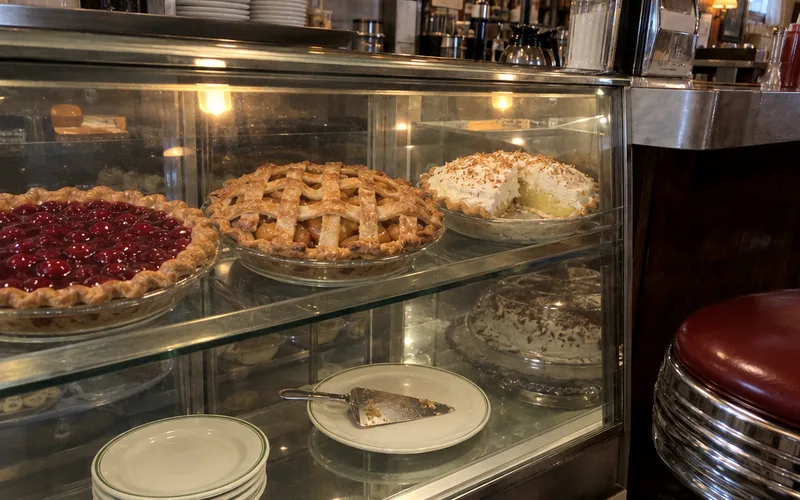
- “Come in, we’re open. So is the pie case.”
- “Welcome! Our coffee is strong and our jokes are weak.”
- “Hi! You look like someone who needs a cinnamon roll.”
- “Welcome back! We worried you’d found another diner.”
Use these on signs, receipts and social media, where the joke can land on its own time.
At the door, a joke can fall flat with a guest who’s tired, rushed or there for a hard reason.
So read the room first.
A warm, plain welcome is always the safer pick, and you can save the humor for the second visit.
New Shop Opening Messages to Customers
A new shop opening message to customers announces that you’re open, tells people when and where, and gives them one reason to come in the first week. Here are 5 grand opening welcome lines:
- “We’re open! Come say hi and try your first [bagel] on us this week.”
- “Doors open [Saturday at 7 a.m.]. Welcome to [Business], neighbor.”
- “Big news: [Business] is officially open. Thanks for waiting with us!”
- “Welcome to our very first week. Be patient with us, we’re still learning names.”
- “We built this place for the neighborhood. Come see it at [address].”
Post these on your door, your social media and a flyer in nearby shops a few days before you open.
The fourth line is a smart pick for a small team.
It admits the first week won’t be perfect, which makes guests more forgiving when the kitchen runs a little slow.
And because new spots get a lot of first-time guests, have your rewards card or sign-up sheet ready from day one, so those first visits turn into second ones.
Short Welcome Messages for Salons, Cafes and Other Small Businesses
A short welcome message for a salon, cafe, bakery or car wash follows the same formula as a restaurant’s: greet the customer, name your business and give the next step that fits how your business works. Only the next step changes from one type of business to the next.
A salon’s next step is usually the wait and the stylist, so a line like “Welcome in! Grab a seat, and [stylist] will be right with you” covers it.
A coffee shop’s next step is the order, so “Morning, welcome to [Business], what can I start for you?” keeps the line moving.
A car wash or service counter’s next step is the process: “Welcome! Pull up to the line, and we’ll take it from here.”
So before you borrow a line from the list, ask what a first-time customer at your business needs to know in the first 10 seconds. Put that answer right after the greeting, and the line will sound like it was written for your door, not copied from someone else’s.
How to Write Your Own Short Welcome Message
A short welcome message has 3 parts: a greeting, your business name or the guest’s name, and one next step, all in about 20 words or fewer. Use this formula when none of the lines above fits your place.
Here’s the formula in action:
- Greeting: “Hi,” “Welcome in,” “Good morning” or “Welcome back.”
- Name: your business (“Welcome to Rosa’s”) or the guest (“Welcome back, Maria”).
- Next step: what happens now (“Sit anywhere,” “Show this text,” “Reply with your order”).
Put together, it reads: “Welcome to Rosa’s! Sit anywhere, and I’ll bring menus.”
That’s 9 words.
Now compare it with the kind of welcome many owners write first: “Welcome to Rosa’s Family Kitchen, where we have proudly served the finest homemade Mexican food in town since we opened, and we hope you enjoy your visit today!”
That’s 28 words, and the guest still doesn’t know whether to sit down or wait.
Here’s how to cut a long welcome down in 3 passes:
- Delete the history and the bragging. Guests can read your story on the menu or website later.
- Keep the greeting and your name. “Welcome to Rosa’s” does the job of the whole first half.
- Add the one thing the guest needs right now, such as where to sit, what to order or how to reply.
The short version wins because it answers the question every new guest has in the doorway: what do I do now?
How short is short? Count the words before you use a line.
In person, aim for about 5 to 15 words, because that’s one breath. In writing, aim for one or two sentences, and cut anything a guest wouldn’t miss.
Here’s a quick checklist for any welcome line:
- It names your business in the first few words, especially in writing.
- It gives exactly one next step, not three.
- It sounds like your team talks, not like a corporate memo.
- It promises only what you can deliver, like a reply time you can keep.
- It’s the same wording on every shift, so your welcome becomes part of your brand.
Consistency matters more than most owners expect. When every server says the same warm line, the welcome becomes part of what guests remember about you.
Write it once, test it for a week, then lock it in.
How to Make a Customer Feel Welcome
You make a customer feel welcome by greeting them fast with a short, friendly message, using their name when you know it and following through on what the greeting promised. Those 3 habits shape the customer experience more than any script, because what your team does in the first minute decides whether the welcome felt real.
Here’s what that follow-through looks like:
- Greet within a few seconds, even if it’s only eye contact and a wave.
- Use the guest’s name when you know it, and learn it on the second visit.
- Make a little small talk when there’s time, like asking about their day.
- Do what you said: if you promised menus, bring them right away.
- Say goodbye at the door too, because the last moment sticks as much as the first.
Good communication with guests is a habit, not a script. A server who smiles and makes small talk will make a plain line sound warmer than a perfect line read off a card.
That’s why the best welcome training is short and repeated.
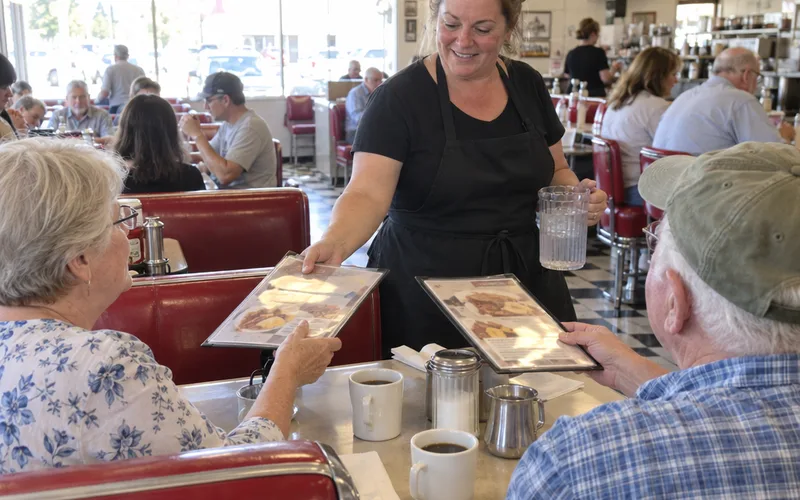
Practice the greeting at a staff meeting, then watch for it during the rush and praise the people who nail it. For the wider skills behind a warm room, good restaurant customer service covers what guests notice and how a small team can deliver it.
The welcome is your team’s first chance to set the tone for the whole visit, so make it count.
Welcome Message Mistakes That Push Customers Away
The most common welcome message mistakes are messages that run too long, sound generic, promise what you can’t deliver or open with a sales pitch. Each one makes a guest feel like a transaction instead of a person.
Watch for these 5:
- Too long. A welcome text with three offers and a paragraph about your history gets skimmed or deleted. Cut it to one greeting and one next step.
- Generic. “Valued customer” sounds like a form letter. Use their name, or at least your own business name, so it sounds like a person wrote it.
- Promises you can’t keep. “We reply instantly” on a two-person team sets up disappointment. Promise “today,” then beat it.
- A sales pitch first. Leading with “Big sale this weekend only!” turns a hello into an ad. Save offers for your promotional messages and let the welcome just welcome.
- Different words on every channel. If the door says one thing, the text another and the newsletter a third, your brand and your communication feel scattered. Pick one voice and use it everywhere.
Note: The opt-in rule from #6 applies to every text and WhatsApp welcome, so never contact someone who didn’t ask to hear from you.
Fix the longest welcome you send first, because it’s usually the one guests ignore.
Frequently Asked Questions
How do I welcome the customers?
You welcome customers by greeting them within the first few seconds, with eye contact, a smile and a short line such as “Hi, welcome in, sit anywhere and I’ll bring menus.” Then follow through on what you said, because a quick menu or a glass of water proves the welcome was real.
What is a short quote I can use to welcome guests?
A short quote to welcome guests is a 4 to 8 word line such as “Come in hungry, leave happy” or “Pull up a chair, you’re one of us now.” Write it on a sidewalk sign, a table card or the top of your menu, and change it each season so regulars notice.
What are the best sentences for welcoming customers?
The best sentences for welcoming customers are short and specific, like “Welcome in, sit anywhere you like” or “Is this your first time with us?” Each one greets the guest and opens a next step, so pick the one that fits your counter or dining room and train every shift to use it.
How do I welcome new customers on a WhatsApp message?
You welcome new customers on WhatsApp by turning on the greeting message in the WhatsApp Business app and writing one or two sentences that thank them, name your business and ask what they need. For example: “Hi, thanks for messaging Rosa’s, do you want to order, book a table or ask a question?”
What to write to attract customers?
To attract customers, write one clear reason to visit in plain words, such as tonight’s special, a first-visit perk or your hours, and add one easy next step like “Order ahead at our website.” A short welcome that promises something real draws people in better than a long list of claims.
What is a good welcome message for a group?
A good welcome message for a group greets everyone at once and sets up the visit: “Welcome, everybody, your table’s ready in the back and I’ll start you with waters and menus.” For a big party, add one line about how ordering or checks will work so nobody has to ask.
How long should a welcome message be?
A welcome message should be about 5 to 20 words in person and one or two sentences in a text, email or chat. If a guest can’t read or hear it in a few seconds, cut it down to the greeting, your business name and one next step.
What do I say to a welcome message from a business?
You can reply to a welcome message from a business with a short thanks and your question or order, such as “Thanks, do you have a table for 2 at 7?” Businesses write welcome messages to start a conversation, so a quick reply gets you faster help.
Final Thoughts
A short welcome message for customers works when it greets the guest, names your business and gives one next step, in 20 words or fewer.
Pick one line for the door and one for your busiest written channel this week, and have every shift use the same words for a month.