63% of people who write reviews say the business never answered them.
That’s from ReviewTrackers survey data published in 2022, and the silence costs you. 94% of consumers in the same data say a bad review has convinced them to avoid a business.
So learning how to respond to negative restaurant reviews is one of the cheapest fixes you have. Below are 7 steps, replies you can copy and what to do when the guest is wrong.
- Best for: Owners and managers who answer their own reviews. Skip it if an agency already replies for you.
- Cost: Free.
- Payoff: 45% of consumers say they’re more likely to visit a business that responds to negative reviews (ReviewTrackers).
- Time: Same day.
- First step: Open your Google Business Profile and sort reviews by lowest rating.
How to Respond to Negative Restaurant Reviews Step by Step
You respond to a negative restaurant review in 7 steps: cool off, check the facts, thank the guest, name the problem, say what you’re fixing, take it offline and follow up. Skipping one is usually where replies go wrong.
Step 1: Cool Off, Then Reply Within the Week
Read the review, close the app and come back once your emotions have cooled. A reply written in anger is the one you’ll regret.
But don’t wait too long. ReviewTrackers found that 53% of customers expect a reply to a negative review within a week.
Customer service author Chip Bell says a slow reply chips away at your reputation by the hour:
“In the customer’s mind the clock starts when he or she posts a negative review, and your reputation drops with every hour you delay providing a response.”
Step 2: Check What Really Happened
Pull the ticket for that date and ask the staff who worked the shift. You want to know what really happened before you write a word.
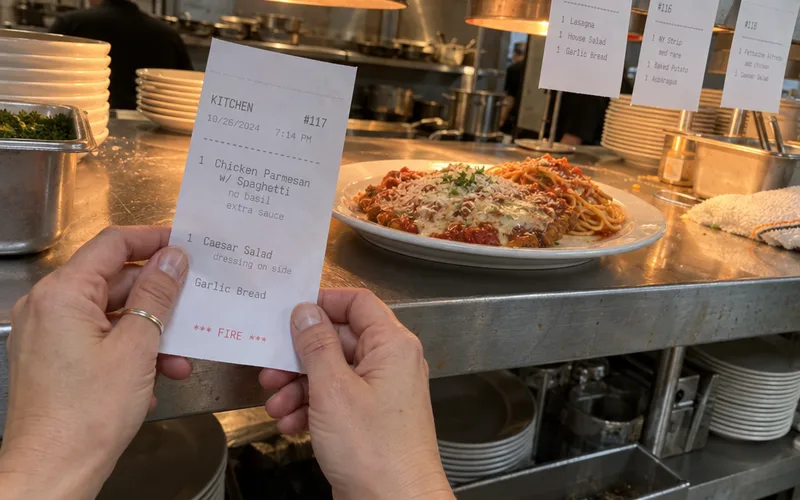
A real mistake gets an apology and a fix, while a review you can’t match to any visit gets a calm correction instead.
Step 3: Thank the Guest by Name
Start with their name and a thank-you for the feedback. It shows every reader you’re paying attention, not gearing up to argue.
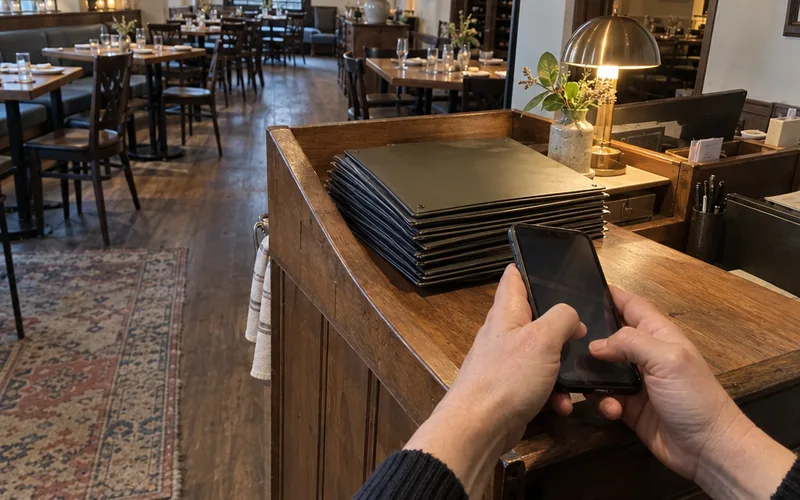
Skip “Dear valued customer.” Most reviews on your Google Business Profile and Yelp show a first name, so use it.
Step 4: Name the Exact Problem and Apologize Once
Repeat the specific complaint in your own words, like the burnt crust or the missing side. Then say sorry one time and move on, because three apologies in a row read like a form letter.
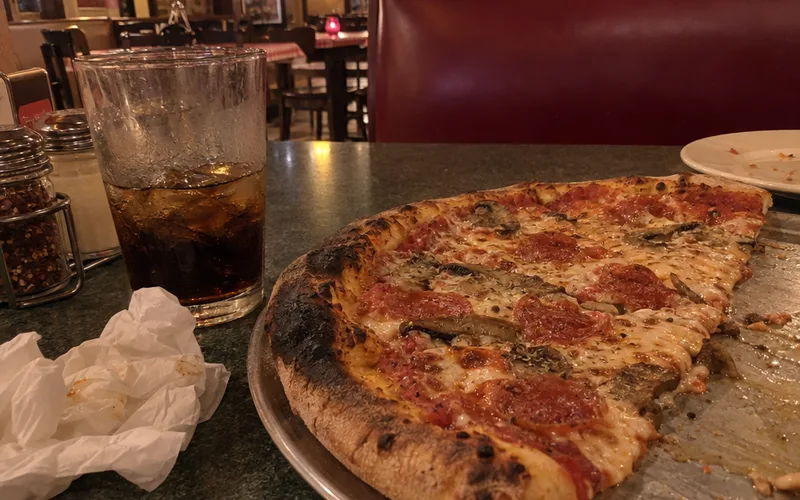
A specific line like “I’m sorry your chicken parm came out lukewarm on Saturday” shows readers you checked what happened. A vague sorry for their experience could sit under any review, and copy-and-paste replies are easy to spot.
Step 5: Say What You’re Changing
Use your management response to tell readers what you did about it, such as a new check at the pass or an extra host on Friday nights. Skip excuses like “we were short-staffed,” because readers hear blame.
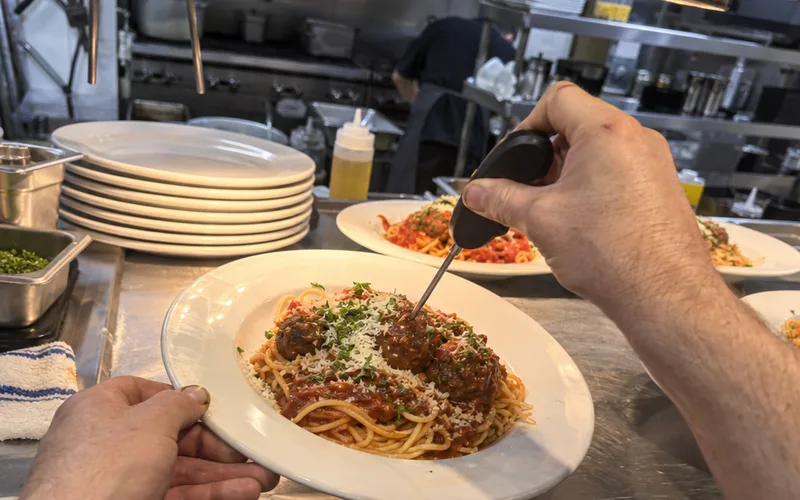
One concrete change, like a temperature check at the pass, is enough. It shows the next diners deciding between you and the place down the street that the problem won’t happen to them.
Step 6: Take It Offline
Give your first name, your role and a direct phone number or email address. Then move the communication to private, since a back-and-forth thread only makes the complaint more visible.
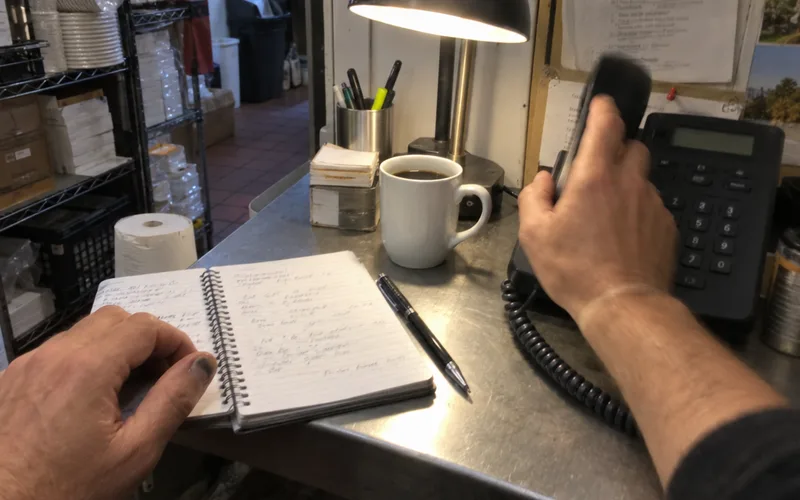
Save any free meal or discount for that private conversation, never the public reply. Readers shouldn’t see a comp as the reward for complaining.
Step 7: Follow Up and Invite Them Back
When the customer gets in touch, listen first, then give them a specific reason to come back and try you again.
After you’ve made it right, it’s fine to ask if they’d update their review. Never make your offer depend on it.
Should You Respond to Every Bad Review?
Yes, a restaurant should respond to every negative review it can, because unanswered complaints look true to the people reading them. ReviewTrackers survey data shows 45% of consumers say they’re more likely to visit a business that responds to negative reviews.
Your reply isn’t really for the angry customer. It’s for the next diners deciding between you and the taqueria down the street.
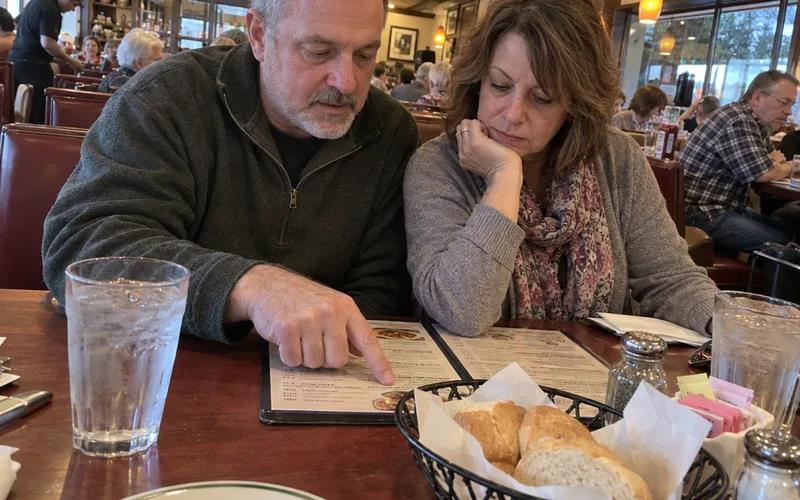
The one exception is a review with threats, slurs or harassment of your staff. Report it to the site first, and reply only with a short, neutral line if it stays up.
Negative Review Response Examples You Can Copy
Negative review response examples for restaurants follow one pattern: the guest’s name, their exact complaint, one apology, the fix and a direct phone number or email address. Keep the apology short: in ReviewTrackers’ analysis of replies, apologies made up only about 13% of what businesses said.
Change the details every time, since copy-and-paste replies are easy to spot. Here’s a reply for cold or wrong food:
“Hi Dana, thanks for telling us. I’m sorry your chicken parm came out lukewarm on Saturday, and we’ve added a temperature check at the pass. Please call me at [number] so I can make it right. [Your name], owner.”
Here’s one for slow service:
“Hi Luis, thank you for the honest feedback. A 45-minute wait for entrées isn’t okay, and I’m sorry. We’ve added a line cook on Fridays. Please email me at [address]. [Your name], owner.”
And for a 1-star rating with no comment:
“Hi Sam, we’re sorry we missed the mark and would love to know what happened. Please reach me at [number or address]. [Your name], manager.”
The same structure works for 3-star and mixed reviews, and a bank of 5-star review replies covers the good ones.
How to Respond When the Customer Is Wrong
When the customer is wrong, respond with one calm, factual sentence that corrects the record, plus an offer to talk privately. You’re not trying to win the argument, just to show readers you’re fair.
Here’s what to say:
“Hi Chris, we’re sorry your visit felt off. Just so others know, we’re open until 10 on Saturdays. If something else went wrong, please call me at [number].”
Rude reviews get the same treatment, only shorter: ignore the insults and answer the one real point, if there is one.
If the review looks like spam or comes from a competitor, flag it through your owner account. Google has its own process for removing a 1-star review, but removal isn’t guaranteed, so post a short reply while you wait.
Free Meals, Comps and Winning the Guest Back
A free meal or discount for an unhappy reviewer should be offered privately, never in the public reply, so readers don’t see a comp as the reward for complaining. Offer it once the customer reaches out, such as their next entrée on the house or dessert for the table.
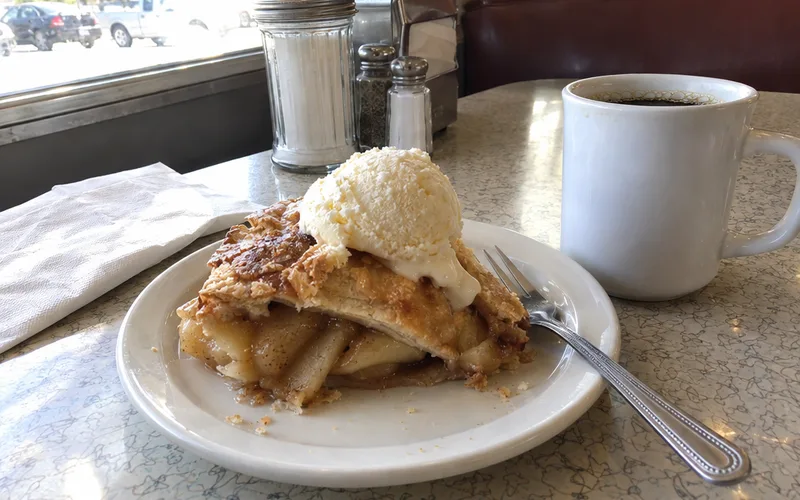
Then make the second visit count: hand the returning customer a digital punch card they save to Apple Wallet or Google Wallet. A reward a few visits away gives them a reason to keep coming back, the same idea behind most customer loyalty programs.
Mistakes That Make a Bad Review Worse
The biggest mistake a restaurant can make when replying to a bad review is fighting back in public, because every reader sees the fight and not the fix.
In May 2013, HuffPost reported that angry posts went up on Amy’s Baking Company’s Facebook page after its “Kitchen Nightmares” episode. The owners claimed the page was hacked, and the Scottsdale bakery then hired a PR firm.
A few furious posts turned into national news and a lasting reputation hit, which is what calm PR for a restaurant is meant to prevent.
Avoid these too:
- Arguing about who’s right, line by line.
- Blaming staff by name.
- Pasting the same reply under every review.
- Posting the customer’s order details, which breaks their privacy.
When the same customer feedback keeps showing up in reviews or your customer satisfaction survey, it’s a kitchen or floor problem, not a review problem. Fold it into your steps for handling complaints and your restaurant online reputation management routine.
Frequently Asked Questions
Can restaurants remove negative reviews?
A restaurant can’t delete a negative review just because it’s harsh, but review sites remove reviews that break their rules, such as fake or competitor reviews. Flag those through your owner account and reply calmly to the rest.
How do I respond professionally to a negative review?
A professional reply to a negative review thanks the guest, names their specific problem, apologizes once and gives a direct way to reach the owner. Keep it to 3 or 4 sentences and never argue in public.
Should you apologize if you did nothing wrong?
Yes, a restaurant should still apologize for how the guest felt, even when the facts are on your side. Say sorry in one line, then correct the record calmly.
Final Thoughts
A negative review is really a message to everyone who reads it next.
Open your Google Business Profile today and answer your oldest unanswered bad review first.