Four texts a month can be your whole marketing plan.
That’s the limit Textedly’s sample sign-up text promises guests, and each message costs pennies to send.
So restaurant text marketing isn’t about blasting deals every day. It’s about a short list of guests who asked to hear from you, and a few texts that give them a reason to come in tonight.
You’ll get 4 ways to collect opt-ins, the lines every sign-up form needs, 5 texts you can adapt and a free way to see which ones bring people in.
What Is Restaurant Text Marketing?
Restaurant text marketing is sending short promotional and service texts, such as tonight’s special, a reward reminder or a table-ready alert, to guests who agreed to get them. It’s a form of mobile marketing, and most restaurants send it through texting software, not a personal phone.
The texts go out as SMS messages, the plain texts every phone can receive, or as MMS, the version that carries a photo.
Guests join by filling in a form, scanning a QR code or texting a keyword to a short code, a short number set up for business texting. Once they join, they’re your subscribers, and you can text them all at once or in groups.
The real prize is a direct line to your regulars that you own, instead of renting attention from a delivery app.
Is Text Marketing Worth It for a Small Restaurant?
Text marketing is worth it for a small restaurant when you have regulars who’d visit more often if they heard about a special, and slow nights you want to fill. It’s a weak fit if you have no offer to give or no time to send a text each week.
When Texting Pays Off
Texting earns a place in your marketing strategy in these situations:
- You run a weekly special or happy hour that regulars keep missing.
- Tuesday or Wednesday nights are quiet, and you can make a same-day offer.
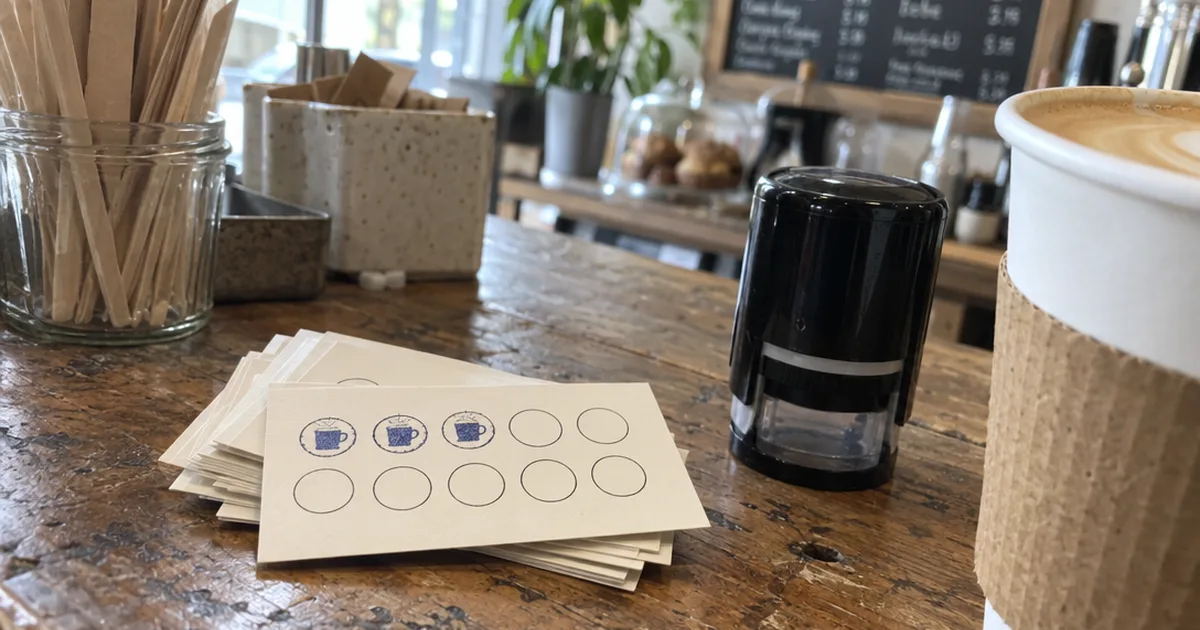
- You run a loyalty card and want guests reminded when a reward is close.
- You take reservations or call-ahead orders and lose tables to no-shows.
When to Wait
Hold off if you can’t commit to a few texts a month, because a list that never hears from you forgets why it signed up.
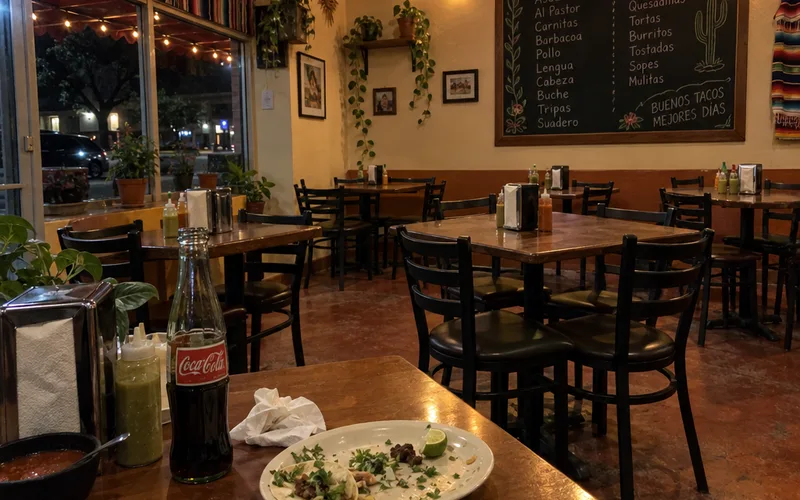
And if your only idea is a weekly discount, fix the offer first. A text spreads a good reason to visit but can’t invent one, so compare it with other low-cost restaurant marketing first.
How to Get Customers to Sign Up for Texts
Restaurants get customers to sign up for texts by asking in person or with a sign at the table, register or checkout, and by giving one clear reason to join, like a free appetizer.
Most restaurants combine 3 sign-up methods with 1 good offer.
Text-to-Join Keywords
A text-to-join keyword lets a guest sign up by texting one word to your number. Textedly’s restaurant page gives the example of texting LUVFRIES to 101010.
Pick a word that’s short, easy to spell and tied to your food, like TACOS or PIZZA. Then print it wherever guests wait: the menu, the register and the to-go bag.
QR Codes on Tables and Receipts
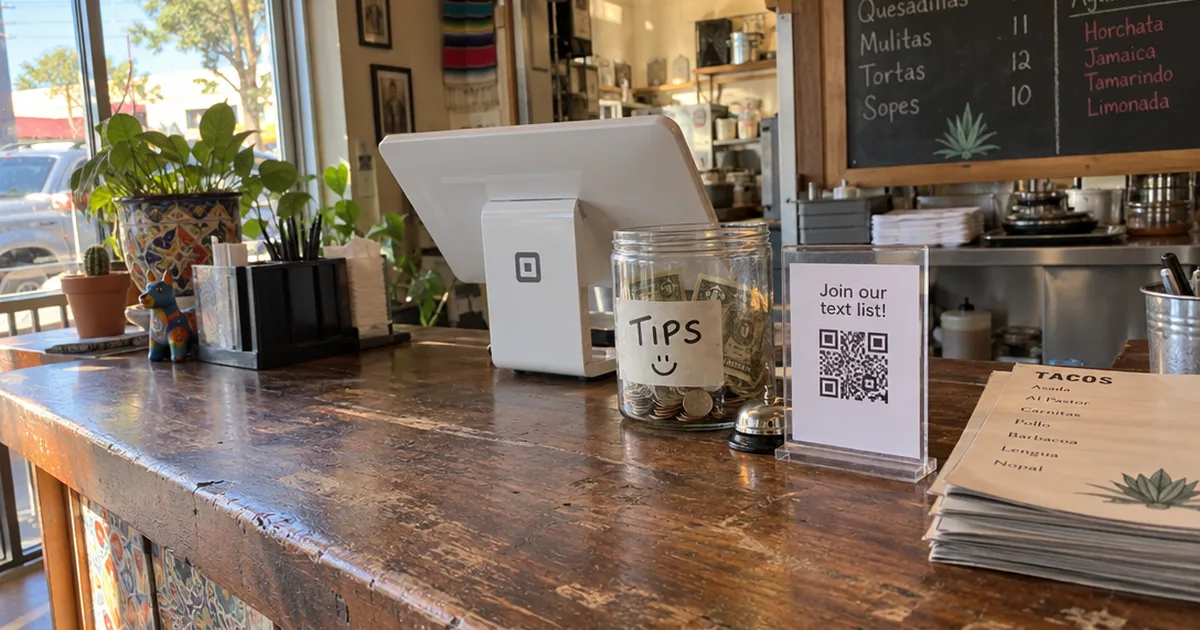
A QR code opens a sign-up form or landing page on the guest’s phone, so nobody has to type a number. Put one on table tents, where guests sit with their phones out anyway.
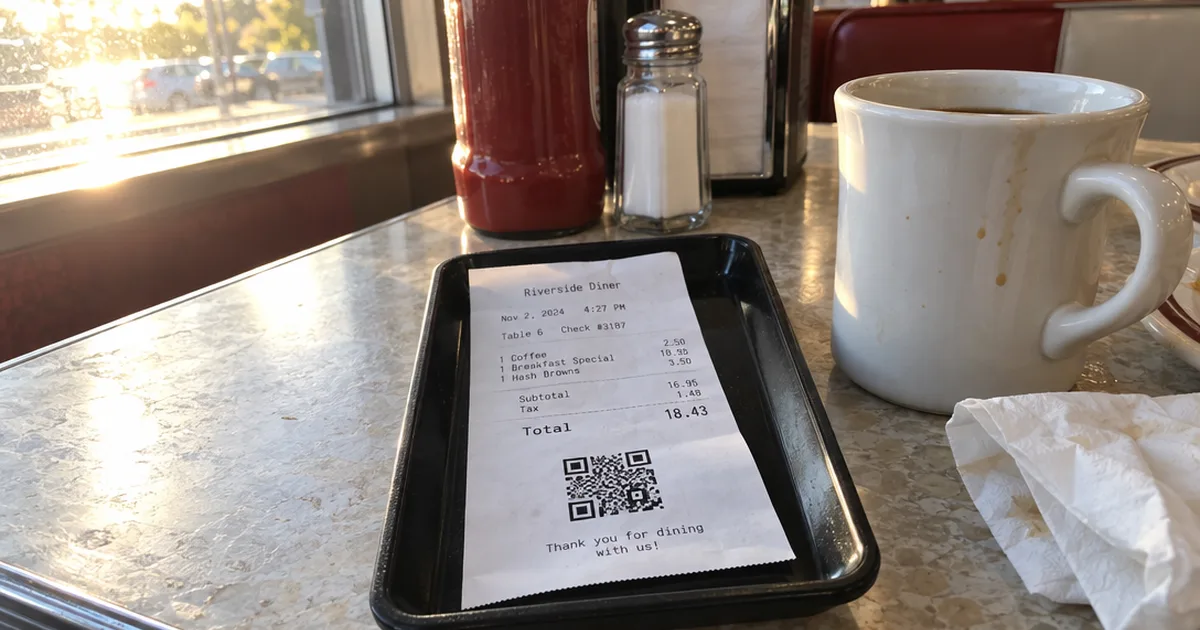
A QR code on the receipt reaches guests right as they decide whether to come back.
Ask at the Register
The fastest way to grow a text list is a person asking. Give staff one line to say while they hand back the card:
“Want free chips and salsa next time? Text TACOS to this number on the sign and it shows up right away.”
One sentence, one offer and no pressure.
Give Guests a Reason to Join
People rarely hand over a phone number just for “news.” Offer one of your best restaurant offers instead, like a free appetizer, a dessert or a bonus stamp on their loyalty card.
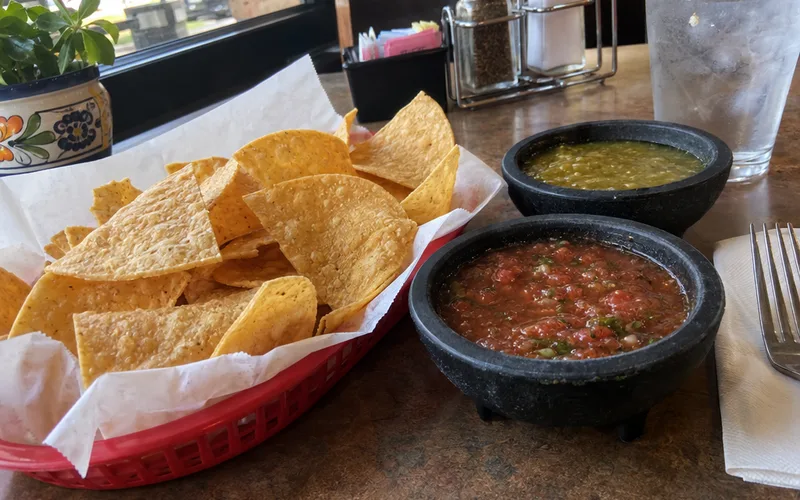
Then deliver it in the very first text, so signing up pays off right away. A short welcome message that hands over the reward in one line beats a long thank-you.
Do Restaurants Need Permission to Send Marketing Texts?
Yes, restaurants need a guest’s clear permission before sending marketing texts, and every text should tell guests how to stop. In the United States, the Telephone Consumer Protection Act (TCPA) is the federal law that covers marketing calls and texts.
Note: This isn’t legal advice. Ask your texting platform or a lawyer to check your sign-up wording before your first send.
A clear sign-up form or sign tells the guest 5 things:
- Who is texting: your restaurant’s name.
- What they’ll get: specials, rewards or reminders.
- How often you’ll text them.
- How to stop: reply STOP at any time.
- That message and data rates may apply.
Then send a confirmation text the moment someone joins. Textedly’s sample confirmation handles the fine print in a few words:
Reply STOP to cancel. HELP for help. Msg&data rates may apply.
Never text offers to phone numbers you collected for orders or reservations unless those guests also opted in to marketing texts.
That shortcut is how a helpful restaurant starts to look like spam.
What Should a Restaurant Marketing Text Say?
A restaurant marketing text should say who it’s from, give one reason to visit and end with one action plus the opt-out line, all in 2 or 3 short lines.
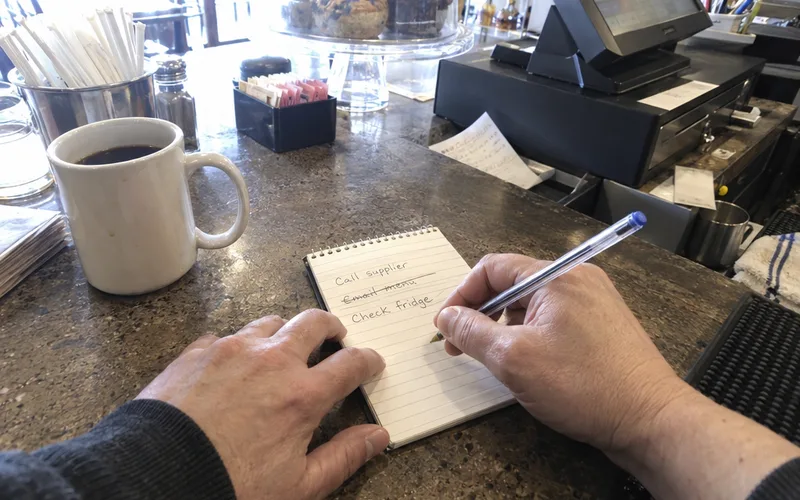
Lead with your brand name, since many guests won’t have your number saved. Then give the offer, the deadline and one call to action, like “show this text” or “tap to order.”
Here are 5 texts to adapt, all written for a made-up taqueria.
Welcome Text
Rosa’s Taqueria: Thanks for joining! Show this text for free chips & salsa on your next visit. Reply STOP to opt out.
Set it up as an automation so it goes out within a minute of sign-up, while the guest is still at your counter.
Slow-Night Offer
Rosa’s: Quiet Tuesday! Show this text tonight for $3 off any plate, 5-9pm. Reply STOP to opt out.
Send it the same afternoon, not days ahead. A same-day deadline gives people a reason to act now, and your weekly specials make easy offers to rotate.
New Menu Item
Rosa’s: New this week: green chile pork tamales. Try them before Sunday. See the menu: [short link] Reply STOP to opt out.
Reward Reminder
Rosa’s: You’re 1 stamp away from a free burrito! Stop by this week to claim it. Reply STOP to opt out.
Any stamp-style loyalty card gives you a natural reason to send this one.
Win-Back Text
Rosa’s: We miss you! Here’s a free drink with any meal through Friday. Show this text at the register. Reply STOP to opt out.
Send this one to guests who haven’t visited in a couple of months. It’s one small piece of a plan to keep regulars coming back, and it costs you a drink, not an ad budget.
How Often Should a Restaurant Send Marketing Texts?
Most restaurants should send marketing texts a few times a month and never more often than the sign-up form promised. Textedly’s sample confirmation sets that promise at 4 messages a month.
Why a cap at all? Every extra text is one more chance for a guest to reply STOP.
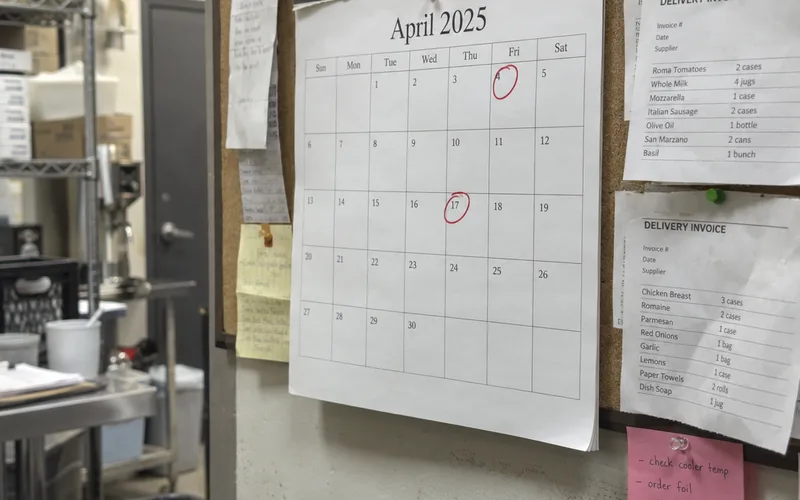
I’d start with 2 a month: one offer and one reward or news text. Add a third only when the first two keep bringing people in.
Best Time to Send Restaurant Texts
The best time to send a restaurant text is a few hours before guests decide where to eat, while you’re open. Send a lunch offer mid-morning and a dinner offer mid-afternoon.
Never text late at night or before breakfast. Then try simple A/B testing: send the same kind of offer at 2 different times over 2 weeks, and keep the time that brings in more codes.
How Long a Text Should Be
A short text gets read in one glance. The same company allows up to 1,600 characters in one message, but that room is for a full menu, not a promo.
Aim for 2 or 3 short lines. Before you send anything long, ask your platform how it bills it.
How Much Does Restaurant Text Marketing Cost?
Restaurant text marketing costs whatever your texting platform charges per month or per message, and Textedly’s restaurant page says individual messages only cost pennies per message. The company also offers a free account for testing its features before you pay.
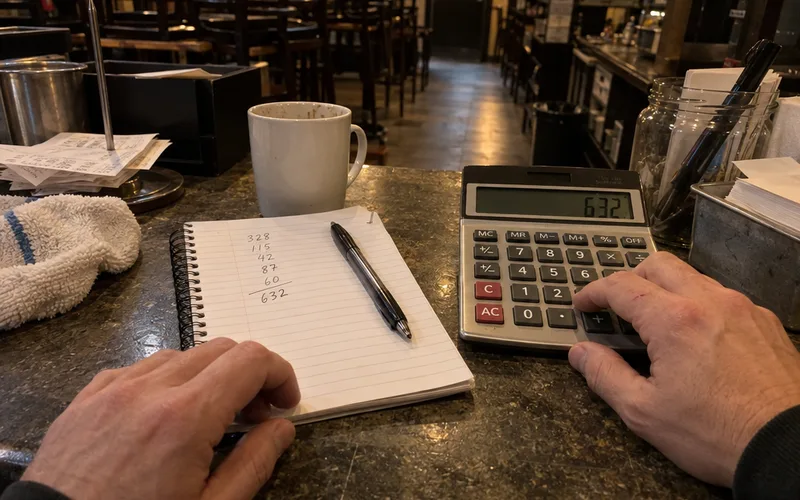
So the real cost of restaurant text message marketing depends on how many texts you’ll send. Here’s hypothetical math: 400 subscribers times 2 texts a month is 800 messages a month.
Pricing pages vary a lot, so compare these 5 things side by side:
- Messages included each month, and the price of each extra one.
- Whether a photo text (MMS) costs more than a plain SMS.
- Contact limits, since the same company lists unlimited subscribers.
- Whether replies are free, as its free incoming messages are.
- Scheduled sends, keyword and sign-up form tools on the plan you’d buy.
Choosing a Text Marketing App
No single app is best for every restaurant, so pick the one that connects to what you already use, like your point of sale (POS) or online ordering. That way, sign-ups flow in without anyone retyping numbers.
Text vs Email Marketing for Restaurants
Text marketing is better for restaurants when the message is short and urgent, like a same-day offer or a table-ready alert. Email is better for longer news, like a monthly newsletter or a new menu with photos.
Here’s a quick way to decide which channel gets each message:
| Message | Send by | Why |
|---|---|---|
| Same-day slow-night offer | Text | It has to be seen today |
| Reward about to expire | Text | One line, one action |
| Table-ready alert | Text | The guest needs it now |
| Monthly news and chef story | Room for detail | |
| Full new menu with photos | Photos and links fit |
In other words, use both marketing channels: text what can’t wait and email what deserves a slow read. Your email newsletter can carry the longer stories that your texts point to.
How Text Marketing Works With a Restaurant Loyalty Program
Text marketing works with a restaurant loyalty program by reminding guests about rewards they’ve almost earned, which gives each text a reason to exist beyond a discount. The loyalty card keeps score, and the text brings the guest back to claim it.
For example, a punch card in a phone’s wallet, such as Apple Wallet or Google Wallet, already sits on the guest’s phone, with no mobile app to download. A text that says “You’re 1 stamp away” points to something they can open and see.
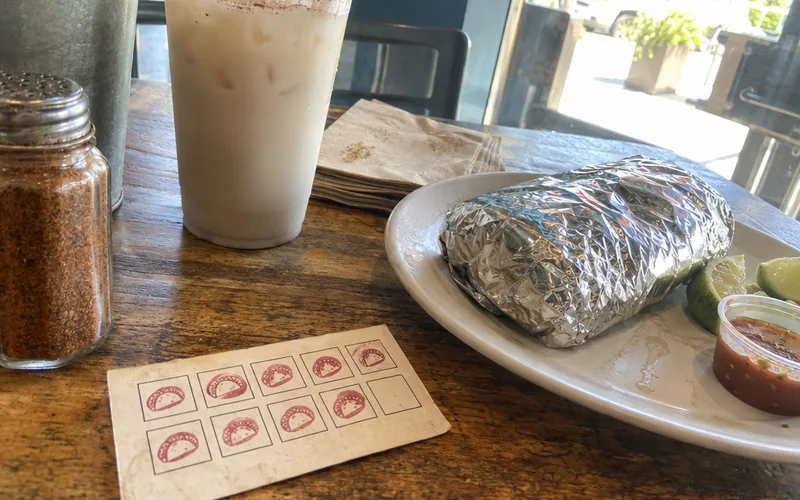
That’s also a cheaper reason to join than a discount, because it’s a reward you’d give anyway. Pair your texts with a simple rewards program, and each one makes the other work harder.
Key Takeaway: Texts get guests in the door. The loyalty card turns those visits into customer loyalty.
How to Tell If Your Restaurant Texts Are Working
The simplest way to tell if restaurant texts are working is to put a unique code or phrase in each text and count how many guests use it at the register. Then compare that count with the unsubscribes from the same send.
Here’s an example, with made-up numbers:
Say you send a $3-off coupon code to 400 subscribers and 24 people use it. That’s a 6% redemption rate, plus 24 checks you can total in your point of sale.
Track 3 numbers for every send: redemptions, revenue from those checks and unsubscribes. They sit right next to the other marketing numbers worth tracking, so you can judge your return on investment.
If a text has a link, your platform’s analytics also show its click-through rates.
Your texts can collect feedback, too. Send a short how-was-your-visit text the next day, and reply to unhappy guests in the same calm way you’d answer a negative review.
Mistakes That Make Guests Unsubscribe
The mistakes that make restaurant guests unsubscribe are texting without permission, texting too often, texting at the wrong hour and sending texts with nothing in them for the guest.
Watch for these 5 in particular:
- Texting numbers that never opted in to marketing.
- Sending more texts than the sign-up form promised.
- Texting after closing time or before breakfast.
- Leaving out your restaurant’s name.
- Sending “news” with no offer, reward or deadline.
Fix the first one before your first send. It’s the one that turns a bad habit into a legal problem.
How to Start Restaurant Text Marketing This Week
To start restaurant text marketing this week, pick a texting platform, set up one keyword and one welcome offer, and put the sign-up on your tables and receipts. Then send your first offer text on your slowest night.
A small list of guests who asked for your texts beats a big list that didn’t.
Pick your keyword today and print the table tent before Friday.
Frequently Asked Questions
How much does text message marketing cost?
Text message marketing costs whatever your texting platform charges per month or per message, and Textedly’s restaurant page says individual messages only cost pennies per message. Before you sign up, check how many messages a plan includes and what each extra one costs.
What is a marketing text message?
A marketing text message is a text a business sends to promote something, such as a special, an event or a reward, to people who agreed to receive it. A restaurant’s marketing text usually names the restaurant, gives one offer and ends with a way to opt out.
What is the best text marketing app for restaurants?
The best text marketing app for a restaurant is the one that fits your budget and connects to your point of sale or online ordering, because no single app suits every restaurant. Open a free account or trial, join your own list with your phone and read every text a guest would get.
How do I advertise my restaurant?
You can advertise your restaurant through texts and emails to past guests, social media posts, flyers and local ads, and your own guest list is the cheapest place to start. Build that list first, then add paid advertising once you know which offers bring people in.