Nando’s hands members a free reward after just 3 Chillies, its version of stamps.
Then it pays out again at 6 and at 10, according to Nando’s official rewards page, so the next freebie is never far off.
That idea matters more than the card itself when you set up loyalty cards for small business.
So here’s how to choose paper, plastic or digital, price it, set the stamp count and get it to your regulars this week.
What Is a Loyalty Card for a Small Business?
A loyalty card for a small business tracks a customer’s visits with stamps, punches or points and gives a reward once they hit a set number. The reward is usually a free item or a discount.
MOO’s loyalty card page notes that these cards are also called business punch cards or stamp cards. Same tool, different names.
Here’s how it works at a coffee shop or taqueria:
- A first-time customer gets a card at the register.
- Each visit earns a stamp, punch or digital check-in.
- The full card earns the reward, and the customer starts a new one.
Why does such a simple tool work?
Because a half-full card gives customers a reason to pick you over the place next door. Every stamp is progress they don’t want to waste, and that’s how brand loyalty starts at a small business.
The card also sits in their wallet or phone between visits, a small reminder with your logo on it.
A loyalty card is one piece of a bigger customer loyalty program, which can also include points, tiers or referrals. For a small team, though, the card is usually the easiest place to start.
Paper, Plastic or Digital: Which Loyalty Card Fits Your Business?
The best loyalty card for a small business depends on how often customers visit and how comfortable they are with phones. Paper suits frequent, low-tech regulars, plastic suits a premium feel, and digital wallet cards suit owners who want customer data and reminders.
Here’s how each one plays out.
Paper Punch Cards
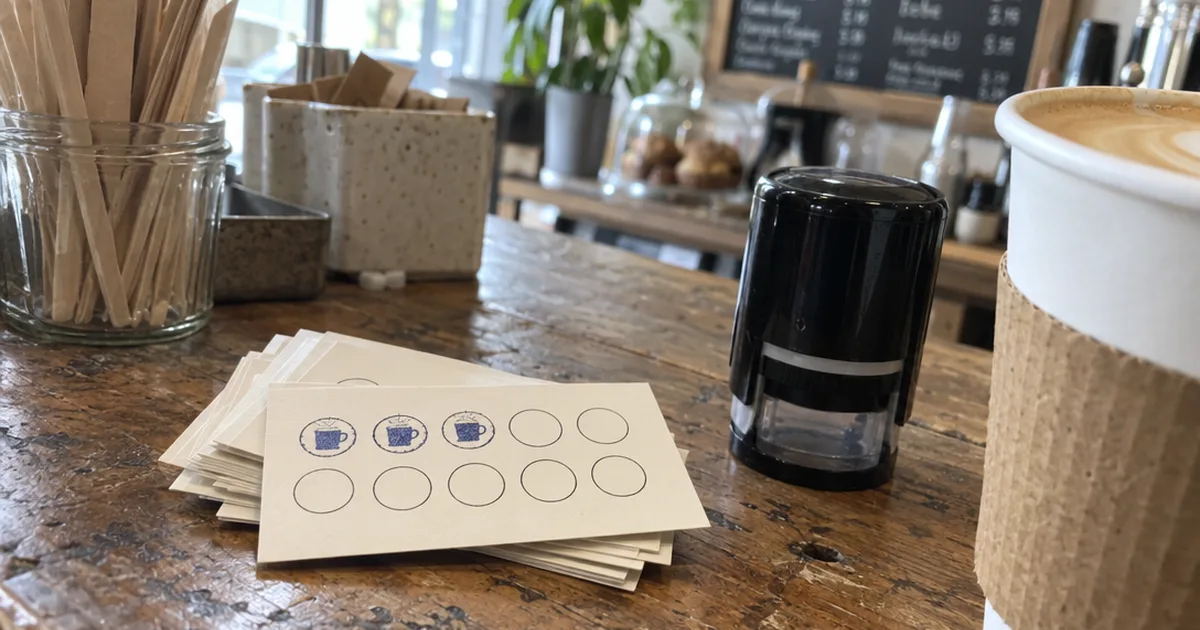
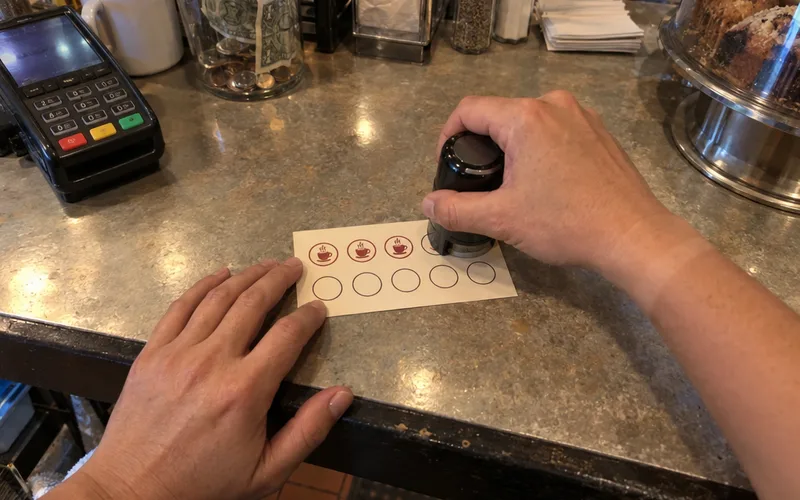
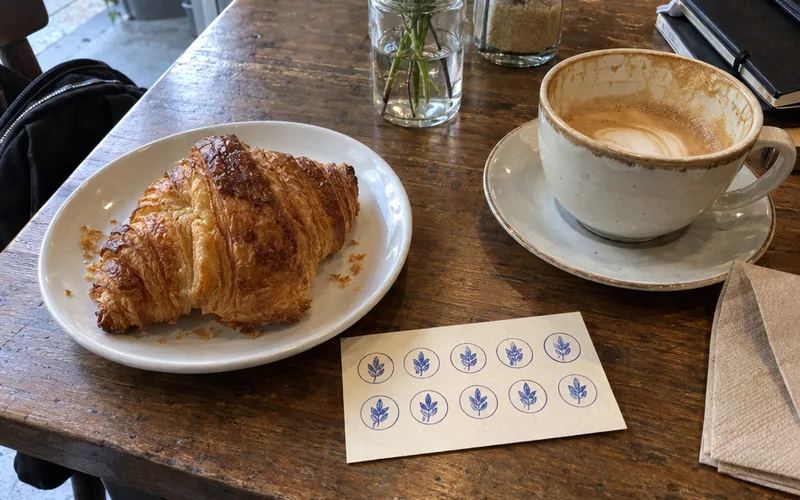
A paper punch card is printed like business cards, with your logo on the front and a grid of boxes on the back.
You hand it over, stamp it, done. Nobody needs a phone, an account or an app.
The catch is that paper cards get lost, left in jeans pockets or forgotten at home. And you learn nothing about who your regulars are unless you add a sign-up sheet.
Best for: cafes, bakeries and barbershops with daily or weekly regulars of every age.
Plastic Cards
A plastic loyalty card is a durable, credit-card-sized card, often printed with a barcode or QR code your register can scan.
It feels more upscale than paper and lasts for years. But it costs more to print, and customers still have to remember to bring it.
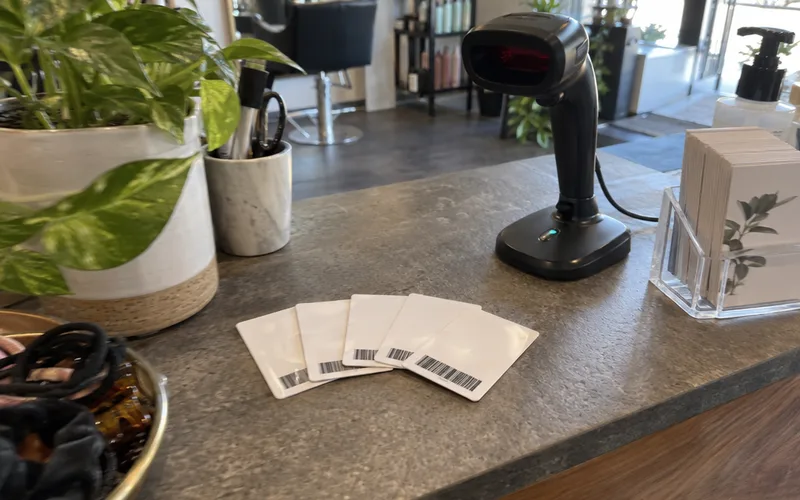
Before you order, check that your register can actually scan the barcode. Otherwise you’ve paid extra for a sturdier punch card.
Best for: salons, spas and studios where a polished card fits the brand.
Digital Wallet Cards
A digital loyalty card lives on the customer’s phone, usually in Apple Wallet or Google Wallet, and updates every time you add a stamp.
It can’t be lost, and it can collect a name and email so you can send a reminder when someone is close to a reward. A digital punch card does all the tracking for you.
Some older customers may need a quick walkthrough the first time, so keep a printed sign with the QR code by the register.
Best for: restaurants and shops that want to know who their regulars are and bring them back on slow nights.
Here’s how the three loyalty card types compare side by side:
| Card type | Upfront cost | Lost-card risk | Customer data |
|---|---|---|---|
| Paper punch card | Lowest | High | None |
| Plastic card | Higher | Medium | Only with a scanner |
| Digital wallet card | Free trial to monthly plan | None | Name and email |
In other words, pick paper for speed and simplicity, and digital the moment you want to reach your regulars between visits.
How Customers Add a Digital Card to Apple Wallet or Google Wallet
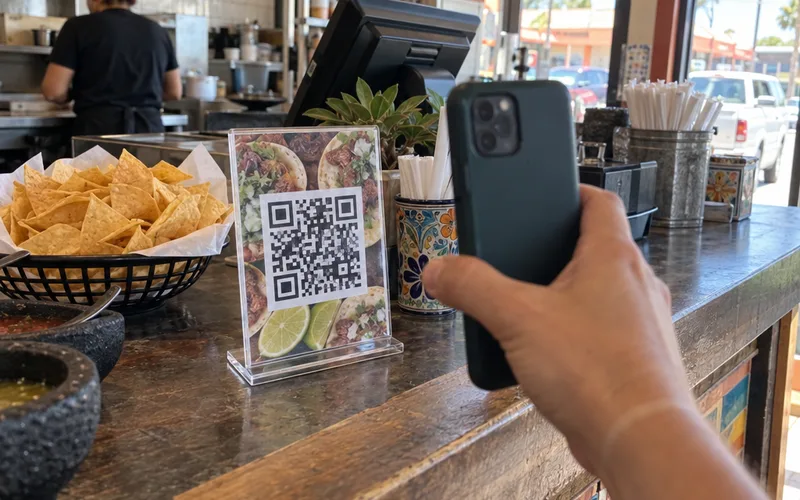
Customers add a digital loyalty card to Apple Wallet or Google Wallet by scanning your QR code or tapping a sign-up link. No separate app download is needed.
Loopy Loyalty’s product page, for example, says customers join instantly with a QR code or link that adds the card to their mobile wallet. Most wallet card services work the same way.
Here’s what the customer sees:
- They scan the QR code on your counter sign, menu or receipt.
- A short form asks for a name and maybe an email.
- They tap “Add,” and the card appears in their wallet with your logo and first stamp.
From then on, the customer shows the card at checkout and your staff adds the stamp from their own phone or tablet.
If you want the full walkthrough, the Apple Wallet loyalty card basics cover how a wallet pass looks and updates. There’s also a step-by-step on adding loyalty cards to Apple Wallet you can share with customers.
How Much Do Loyalty Cards Cost a Small Business?
The cost of loyalty cards for a small business depends on the format. Paper cards cost a print order plus a stamp, plastic cards cost more per card, and digital cards range from free trials to a monthly plan.
Prices change often, so get your own number in about 5 minutes:
- Paper or plastic: Open a print shop’s loyalty card page, pick business card size, choose your quantity and finish, and check the total.
- Digital: Open a wallet card service’s pricing page and note the plan for one location.
Watch for first-order deals. As of October 2026, MOO’s loyalty card site offers new customers 20% off a first order of $40 or more.
On the digital side, Loopy Loyalty lists a free 15-day trial, which is enough to test a card with your regulars before you pay.
Note: Ask for an uncoated or matte back on printed cards. A glossy back smears stamp ink and won’t take a pen.
Can you do it for nothing?
Yes. A free online template, such as one of Canva’s loyalty card designs, plus your own printer works, and the free loyalty cards options cover both paper and digital routes.
How Many Stamps Should a Loyalty Card Need?
A loyalty card should need few enough stamps that a regular earns the reward within a few weeks of normal visits. So set the count from how often your best customers already come in.
Big chains show how to make the reward feel close.
Nando’s, for example, splits one card into rewards at 3, 6 and 10 Chillies. So a customer is never more than a few visits from something free.
And PizzaExpress’s official club page says diners earn 1 Pizza Stamp each time they dine in and spend at least £15. That minimum spend stops a stamp from being earned on a single drink.
On a US counter, the same rule might read “1 stamp per visit of $10 or more” (a hypothetical threshold you’d set from your own average ticket).
Here’s the math for your own counter (hypothetical numbers):
Say a regular comes in twice a week.
A 10-stamp card takes them 5 weeks to fill. A 6-stamp card pays out in 3.
So if a regular can’t fill the card in a few weeks, cut the stamp count.
Pro Tip: Pre-stamp 1 or 2 boxes on every new card. A card that already shows progress feels closer to done.
What Reward Should Your Loyalty Card Offer?
A loyalty card should offer a reward customers want that costs you little, such as a free drink, dessert, appetizer or upgrade.
A free item feels like a gift. A 10% discount feels like a coupon.
So pick something with a high menu price and a low food cost. For example, a cafe might offer a free pastry, and a pizzeria might offer free garlic knots.
Before you print, run the numbers: what does the reward cost you, and how much do those extra visits bring in?
Here’s a quick check (hypothetical numbers): a pastry that costs you $1.50 to make, given after 8 paid visits, is a small price for 8 visits a customer might have spent somewhere else.
Need more ideas? The punch card reward ideas list covers options for restaurants, cafes and salons.
How to Set Up a Loyalty Card Program in 5 Steps
Setting up a loyalty card program takes 5 steps and about an afternoon. Pick the card type, set the rules, design the card, train your staff and promote the card where customers pay.
Here’s the order:
- Pick your format. Use the comparison above and choose paper or digital.
- Set the rules. Decide the stamp count, the reward and whether there’s a minimum spend.
- Design the card. Put your logo, the reward and the rules on the card, and keep it readable. The loyalty card design ideas can help here.
- Train your team. Everyone at the register offers the card to every customer.
- Promote it. Put the card or its QR code on the counter, menus, table tents and your receipt QR code.
Step 4 is where most programs succeed or fail.
Here’s what your staff can say: “Do you have our rewards card? It’s free, and your next visit gets you closer to a free drink.”
Short, friendly and easy to remember.
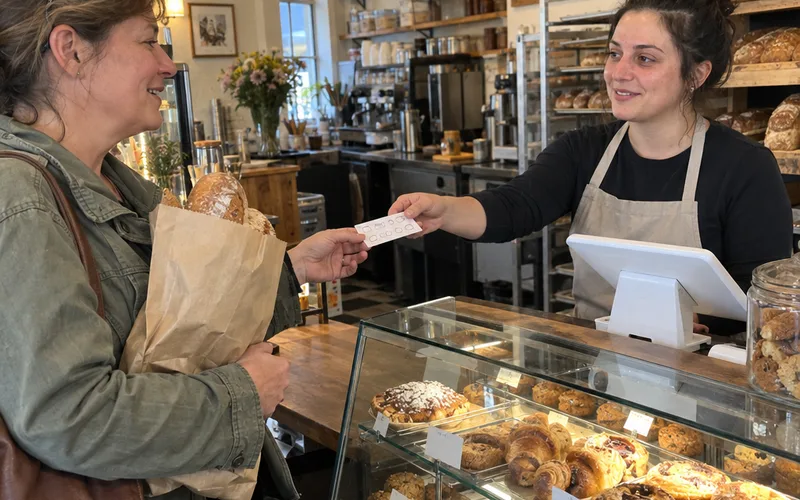
After launch, day-to-day management is light: keep cards and the stamp by the register, and check each full card before you hand over the reward.
If you go digital and want to compare tools first, the roundup of restaurant loyalty software lines up the main options.
How to Stop Stamp Fraud and Protect Customer Data
The easiest way to stop stamp fraud on a paper loyalty card is a custom stamp or punch shape customers can’t copy. Digital cards prevent it, because only your staff can add stamps.
A generic smiley stamp from the craft store is easy to fake. A custom stamper with your logo, or a punch in an unusual shape, isn’t.
The other risk is customer data.
If your card collects names, emails or birthdays, tell customers exactly what you’ll use them for and keep that information secure. Only send the marketing messages they signed up for.
One plain line on the sign-up form does the job: “We’ll email you when you’re 1 stamp from a reward, and nothing else.”
Key Takeaway: Protect your stamps and your customers’ email addresses, and the program stays trustworthy on both sides of the counter.
Start With One Card This Week
The best loyalty card is the one your staff actually offers to every customer.
So pick paper or digital today, set a reward your regulars can reach in a few weeks, and hand out your first card before Friday.
Frequently Asked Questions
What is the best loyalty program for small businesses?
The best loyalty program for most small businesses is a simple stamp card, paper or digital, because customers get it at a glance and staff can run it at the register. Choose digital when you want customer emails and reminders, and paper when your regulars rarely pull out a phone.
Can I create a punch card for free?
You can create a punch card for free with a free online template that you print yourself, or with a digital card service’s free plan or trial. Your only real cost is the paper, ink and a stamp.
How do I register a loyalty card?
You register a digital loyalty card by scanning the business’s QR code or tapping its sign-up link, then adding the card to your phone’s wallet. A paper card needs no registration unless the business asks for your name or email.
Do I need a mobile app for a digital loyalty card?
No, a digital loyalty card doesn’t need its own mobile app, because wallet cards live in Apple Wallet or Google Wallet, which are already on most phones. The business uses a stamping tool or app on its side, and the customer just shows the card.
Where can I get loyalty cards printed?
You can get loyalty cards printed at online print shops such as MOO, at office-supply print counters or at a local print shop. Ask for an uncoated or matte back so a stamp or pen ink won’t smear.