70% of first-time restaurant guests never come back.
That’s from Olo data Noah Glass shared on LinkedIn. In other words, most of what you spend to get a new guest in the door is gone after one meal.
The good news? The restaurant customer retention strategies that fix it are mostly free.
Below are 7 of them, ranked by what they cost to start, each with its payoff and a first step for today.
Slow weeknights and zero budget? Strategies 2 and 3 cost nothing but attention.
If guests keep sending back the same dish, fix strategy 1 before anything else.
Already collected emails and phone numbers from old orders? Strategy 6 turns them into visits.
How These Strategies Are Ranked
These 7 strategies are ranked by cost to start, free ones first. Strategies 1 through 5 all cost nothing, so they’re ordered by how many owners can start them today.
Where no source measured a strategy directly, its Payoff line gives the closest real number and says what it is.
7 Restaurant Customer Retention Strategies, Free Ones First
The best restaurant customer retention strategies for a small team are consistent plates, greeting regulars by name, thanking first-timers, fixing complaints fast, a guest list you own, win-back messages and a simple loyalty program.
1. Serve the Same Great Plate Every Time
Make your best dish taste and look the same on every visit.
Guests come back for the meal they remember, so a dish that changes from one visit to the next can break the habit.
- Best for: every restaurant, especially ones with a signature dish. Skip it if your menu changes daily by design.
- Cost: Free.
- Payoff: 13% higher repeat-guest frequency in 3 months, one operator’s own result.
- Time: 1-3 months.
- First step: Photograph 10 plates of your top seller during tonight’s rush and compare them side by side.
Here’s an example. Operator Naveed Dowlatshahi wrote on LinkedIn that his group raised its “perfect plate” score from 84% to 96% across six Gulf (GCC) markets.
Repeat-guest frequency jumped 13% in 3 months, with no discounts and no influencers. That’s one group’s result, not a promise.
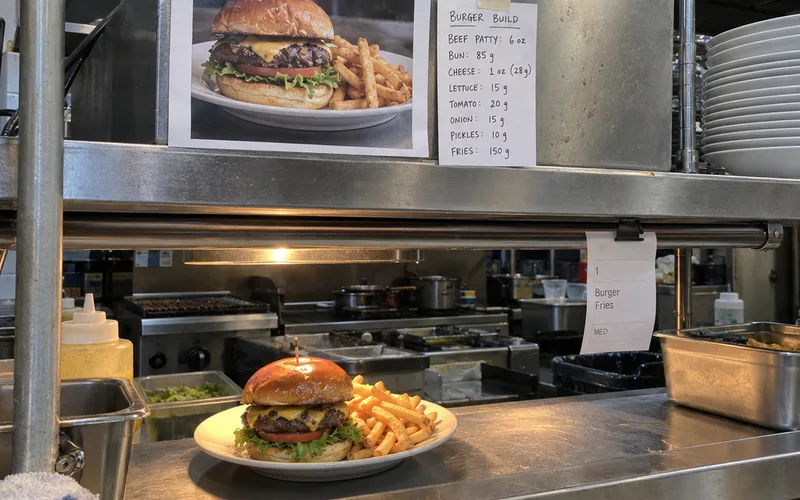
The fix for a small kitchen is a plating photo and portion weight taped at each station. Then the expediter checks every plate against the photo before it goes out.
The whole customer experience, including your restaurant customer service, needs that steadiness on a busy Friday and a quiet Tuesday. These customer service statistics show why.
In other words, consistency is the retention strategy every other one depends on.
2. Greet Regulars by Name
Learn the names and usual orders of your most frequent guests, then use them.
Being known builds a kind of brand loyalty a chain can’t copy, and it gives a regular a reason to pick you over a closer option.
- Best for: diners, cafes, pizzerias and counters that see the same faces weekly. Skip it if most of your guests are tourists passing through.
- Cost: Free.
- Payoff: Your regulars carry most of your sales: 20% of guests drive 60% of sales, per Olo data.
- Time: Same day.
- First step: List your 10 most frequent guests and their usual orders on a card by the register.
Why focus on a handful of people? Because of that split.
If 10 regulars stop coming, you lose far more than 10 checks’ worth of sales.
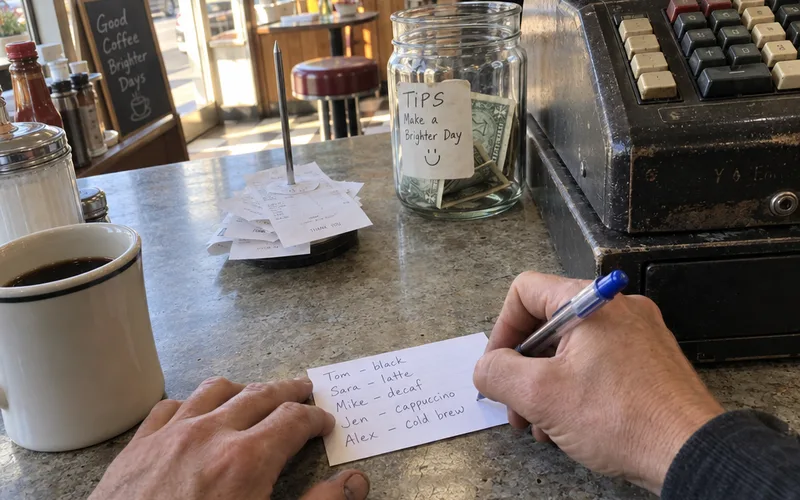
Here’s what to say the third time you see someone:
“You’ve been in a few times now and I never asked. What’s your name?”
Then write it down, read the card at the start of each shift and use the name at hello and goodbye. These customer appreciation ideas add cheap extras, from a note on the check to a holiday appreciation letter.
3. Thank First-Time Guests and Invite Them Back
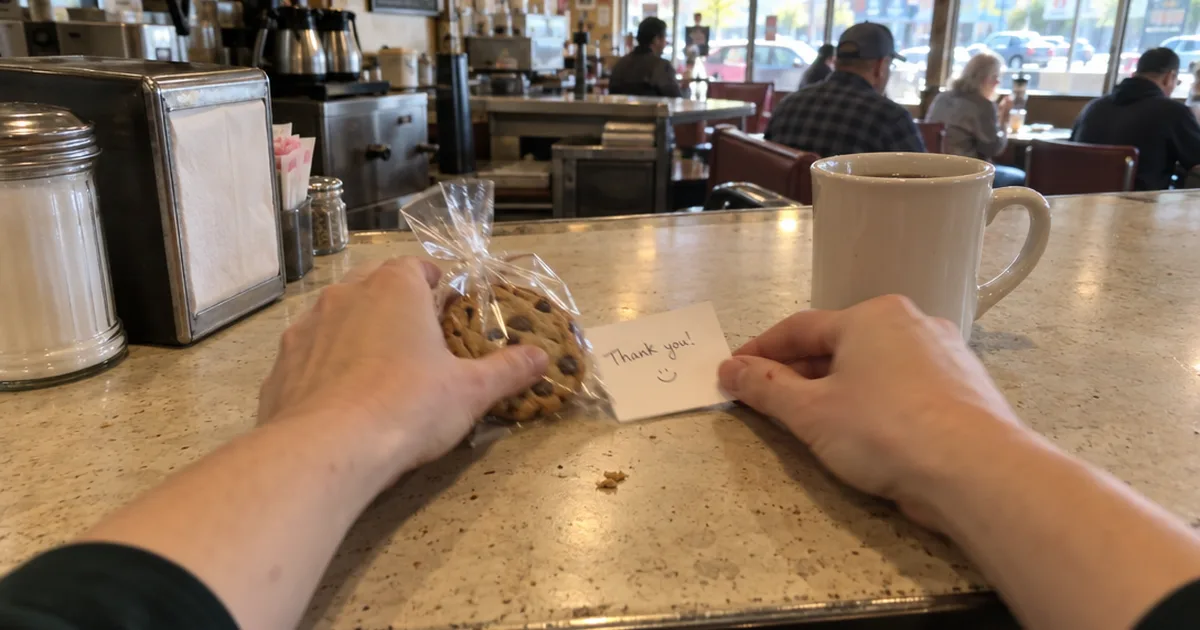
Give every first-time guest a thank-you and a specific reason to make a second visit.
The second visit is where a stranger starts turning into a regular, yet it’s easy to forget to ask for it.
- Best for: any restaurant with steady new traffic. Skip it if you can’t tell new guests from returning ones yet (start with strategy 5).
- Cost: Free, or the cost of one small item.
- Payoff: A shot at the 70% of first-timers who, per Olo data, never come back.
- Time: This week.
- First step: Stamp “Come back this week and the coffee’s on us” on tonight’s receipts, or print a card you design free in Canva.
Hand the bounce-back offer over in person, with a line like this:
“First time here? Thanks for coming in. Bring this back within 2 weeks and dessert’s on us.”
Keep the window short, because a deadline gets people to act while the meal is still fresh. These ways to thank a customer after a visit work well alongside the offer.
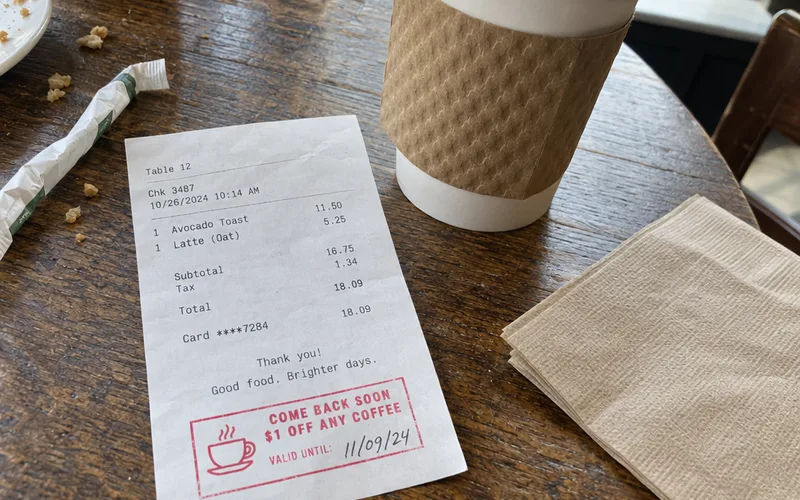
The catch? An offer that’s too small reads like a gimmick, so pick something a guest would actually order.
4. Ask for Feedback and Fix Problems Fast
Ask guests how their visit went, then fix what you hear within days.
A guest who leaves unhappy without saying a word is one you can’t win back, so you have to ask.
- Best for: restaurants with a steady flow of guests who can be reached after a visit. Skip it if you won’t have time to act on the answers.
- Cost: Free with a paper card or a free online form.
- Payoff: A guest you keep is one you don’t replace, and a new one costs 5 to 25 times more to win, per Harvard Business Review.
- Time: This week.
- First step: Add one question to tomorrow’s receipts: “What’s one thing we could do better?”
A short customer satisfaction survey sent the day after a visit catches the cold fries and slow refills before they show up in reviews on Google, Yelp or social media.
When a complaint comes in, act the same day:
- Thank the guest for telling you.
- Apologize for the specific problem, not “for how you feel.”
- Fix it with a remake, a refund or a comped item on the next visit.
- Follow up a week later to invite them back.
These steps to handle customer complaints go deeper on scripts and comps.
A complaint fixed fast is a second chance you’d otherwise never get.
5. Keep a Guest List You Own
Collect each guest’s contact information (name and email or phone number), with permission, and keep it in a place you control.
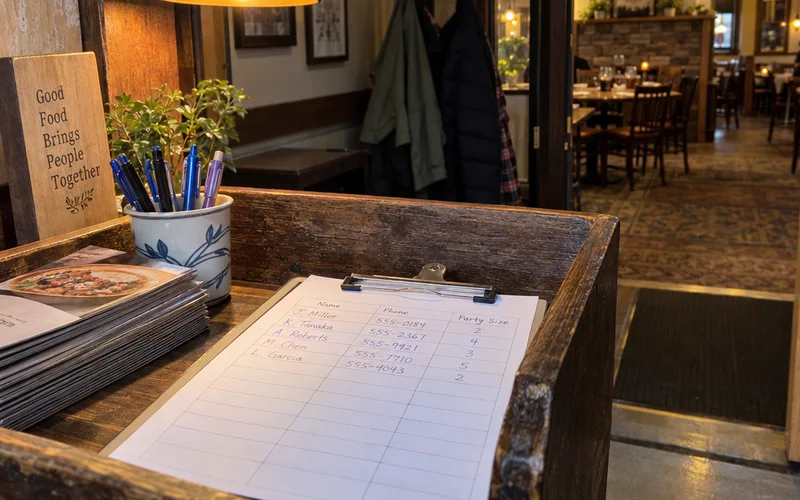
A list you control lets you reach regulars directly, without paying an outside app or platform to do it for you.
- Best for: any restaurant that wants to send messages or run a loyalty program later. Skip it if you never plan to contact guests.
- Cost: Free with a spreadsheet or your point-of-sale (POS) system’s guest list.
- Payoff: A 5% lift in retention raised profits by 25% to 95% in Bain & Company research, and a list is how you’ll see yours rise.
- Time: 2-4 weeks to build a usable list.
- First step: Add an “email or text for our specials” line to your sign-in sheet, receipt or table tent.
Start simple: name, contact, birthday month and last visit date. That’s enough restaurant customer data to send a birthday reward or spot a regular who’s gone quiet.
Owning that list is what owning the customer relationship really means. And once the list grows, you can sort it into groups by visit behavior, like weekly regulars and lapsed guests, using basic customer segmentation.
6. Stay in Touch and Win Back Quiet Regulars
Send short, useful messages to guests between visits, and a personal win-back message when someone hasn’t been in for about 30 days.
Not every lapsed guest has decided to leave, because some just haven’t had a reason to think of you in a few weeks.
- Best for: restaurants with at least a few hundred contacts. Skip it if you don’t have a guest list yet (see strategy 5).
- Cost: Low: your time plus your email or text tool’s fee.
- Payoff: The closest number is Olo’s 20/60 split: the regulars who drift away are the guests carrying most of your sales.
- Time: 2-4 weeks.
- First step: Pull every guest who hasn’t visited in 30 days and send them one message this week.
Restaurant email marketing works for weekly specials and events. Text marketing by SMS works better for short, time-sensitive offers like “rainy-day soup special tonight.”
Here’s a win-back message you can copy:
“Hi Dana, we haven’t seen you in a few weeks and we miss you. Your usual is on us with any order this Thursday.”
Keep it personal and give one clear reason to return. For guests gone 90 days or more, a longer lost customer letter that asks what went wrong can work better than another offer.
7. Reward Repeat Visits With a Simple Loyalty Program
Give guests a reward they can reach in a few visits, like a free coffee after 5 or a free entree after 8.
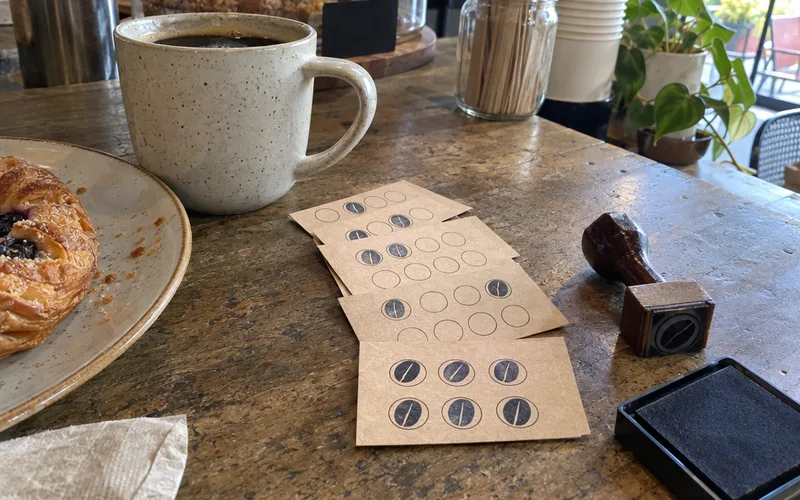
A loyalty program gives every return visit a visible reason, and it hands you the visit data you need to see who’s coming back.
- Best for: restaurants that already have the free habits above in place. Skip it if your food or service is still inconsistent, because rewards can’t fix that.
- Cost: Low; printed cards or a digital card plan, plus the rewards you give away.
- Payoff: More than 200% higher guest frequency in early tests of Panera’s coffee subscription, the closest measured result.
- Time: 1-3 months.
- First step: Pick one reward you can afford to give away and decide how many visits it takes.
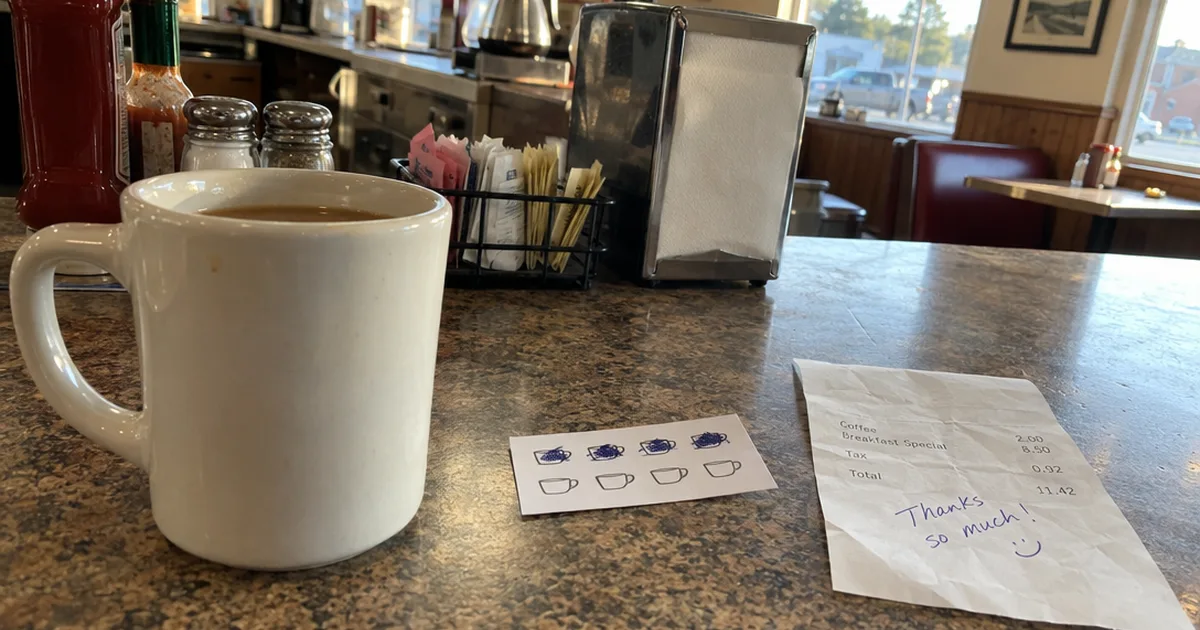
There’s a wide range of restaurant loyalty programs, from paper cards to a points-based mobile app, and a punch card is the easiest start. The loyalty card options range from a copy-shop card to one in a phone wallet.
A digital punch card lives in Apple Wallet or Google Wallet on guests’ smartphones, so they can’t lose it the way they lose paper.
Subscriptions are the bigger cousin of a punch card.
About 750,000 people joined Panera’s $8.99-a-month coffee subscription, Restaurant Business reported. Food added to those coffee orders grew 70%.
You don’t need Panera’s scale to test it: offer a monthly coffee club to 20 regulars first.
To keep customer engagement high after members join, build real restaurant customer loyalty on top of the rewards.
Why Customer Retention Pays Off for a Restaurant
Customer retention pays off because keeping a guest costs far less than finding a new one. Depending on the study and industry, a new customer costs 5 to 25 times more to win than an existing one costs to keep, Harvard Business Review reported in 2014.
The profit side is even bigger. The same article cites research by Frederick Reichheld of Bain & Company, inventor of the Net Promoter Score: a 5% rise in retention lifts profits by 25% to 95%.
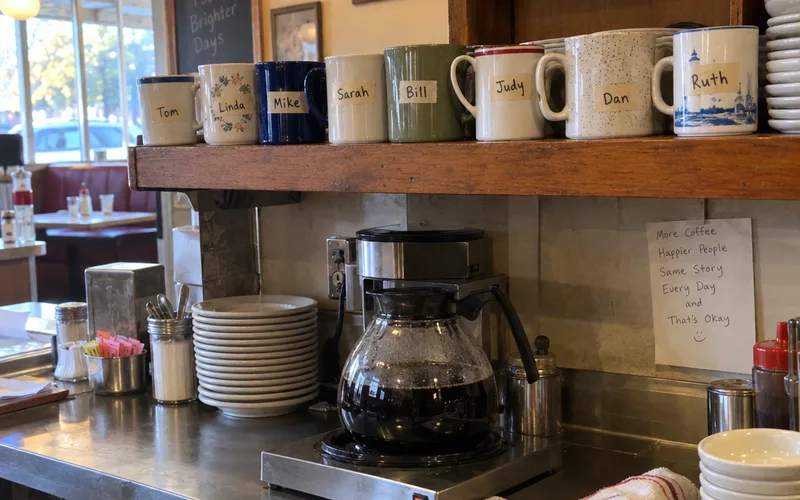
Why does a small lift matter so much? A regular’s value adds up over years of visits, which is what customer lifetime value measures.
You can work out the lifetime value of a restaurant customer with a few numbers from your POS. Retention is one part of the wider set of customer loyalty programs and habits that turn first-timers into regulars.
How to Keep Customers on a Small Budget
Restaurants keep customers on a small budget by spending attention before money, because consistent food, greeting regulars by name, thanking first-timers, fixing complaints and keeping a guest list all cost nothing. When money gets tight, I’d cut paid ads before any of those free habits.
Look for ways to give guests more without cutting prices, like a bigger portion of a cheap side or a free refill. These ideas for how a restaurant can add value protect your margins, and a referral program turns regulars into free word of mouth in your community.
When guests cut back in a slow economy, a plan for customer retention during economic downturns helps you hold onto them. Keep the guests you have, because they’re cheaper than any new ones.
Tools Restaurants Use to Retain Customers
Restaurants use 4 basic tools to retain customers: a guest list, a feedback tool, a messaging tool and a loyalty program. You don’t need fancy technology or all 4 on day one.
A restaurant CRM is a guest list with a memory: visits, orders, birthdays and notes in one place.
For feedback, these customer feedback tools range from free forms to review alerts.
Start with the free version of each, and pay only when you outgrow it.
How to Tell If Your Retention Strategies Are Working
Restaurant retention strategies are working when a bigger share of last month’s guests comes back this month. That share is your customer retention rate, and it’s the first number to track.
Work it out once a month from your guest list, POS or loyalty data. A few other restaurant customer metrics, like visit frequency and average check, show whether regulars are coming more often and spending more.
Track how guests feel, too. These ways to measure customer satisfaction catch problems before they show up as lost regulars.
Pick one number, check it on the same day each month and change one strategy at a time so you know what worked.
Frequently Asked Questions
What are five effective strategies for retaining restaurant customers?
Five effective strategies for retaining restaurant customers are consistent food and customer service, greeting regulars by name, thanking first-time guests with a reason to return, fixing complaints quickly and keeping your own guest list. All 5 are free to start this week.
How important is customer retention to a restaurant?
Customer retention matters a great deal to a restaurant’s profit: research by Frederick Reichheld of Bain & Company, reported by Harvard Business Review in 2014, found that a 5% rise in retention lifts profits by 25% to 95%.
Do subscriptions or memberships work for small restaurants?
Subscriptions can work for small restaurants that sell an everyday item like coffee: Panera reported that early tests of its $8.99-a-month coffee subscription raised guest frequency by more than 200%. Test a small version with a few regulars first.
How long does it take for retention strategies to work?
Restaurant retention strategies like consistent plating or a loyalty program take about 1 to 3 months to show up in repeat visits: one operator on LinkedIn reported a 13% jump in repeat-guest frequency within 3 months of fixing plate consistency. Greeting regulars by name works on the very next visit.
What tools do restaurants use to retain customers?
Restaurants retain customers with 4 simple tools: a guest list or CRM, a feedback survey, an email or text tool and a loyalty program such as a digital punch card. Start with a spreadsheet and a punch card.
Final Thoughts
Retention starts with free habits: the same great plate, a name at hello and a reason to come back.
Pick 2 free strategies from the top of this list and start them before Friday, then add a punch card once they stick.