62% of restaurant guests say they’d pay more for a curated appetizer platter. That’s from a 2025 SevenRooms guest survey, and it means more sales can come from the guests already sitting in your dining room.
Most ideas to increase restaurant sales don’t need a marketing budget, just what you already have: a menu, a few servers and the regulars who like you. Below are 10 of them, ranked by what they cost to start, free ones first, each with who it suits, a real number behind it, how long it takes and one first step.
Servers on the floor tonight can test idea 2 before the first table sits down, and if your Tuesdays are nearly empty, ideas 5 and 7 were built for that night. If you’re paying delivery apps a commission on every order, idea 10 moves those regulars to your own ordering page.
How These Ideas Are Ranked
These ideas to increase restaurant sales are ranked by what each one costs to start, so the 5 free ideas come first and the paid ones follow. When 2 ideas cost about the same, the one more owners can start right away goes first.
Every Payoff number comes from SevenRooms, a hospitality software company that shared its 2025 guest survey and platform data in a sales guide dated August 21, 2026. It’s a vendor’s own data, so treat each figure as a sign of what guests want, not a promise for your street.
10 Ideas to Increase Restaurant Sales, Free Ones First
The 10 best low-cost ideas to increase restaurant sales begin with 5 that cost nothing to start. Direct online ordering comes last because it’s the only one with real setup fees.
1. Fix Your Google Business Profile
Your Google Business Profile is the panel that shows your hours, photos, menu and reviews when someone searches for you.
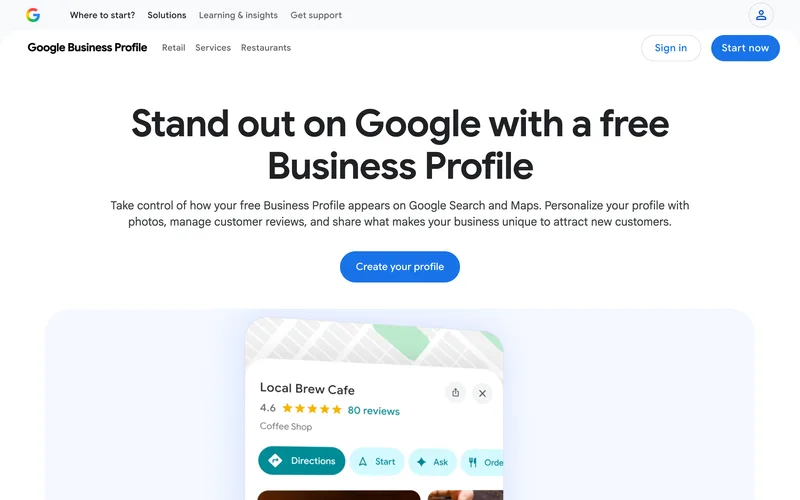
Get it right, and hungry people nearby can find you and book in a couple of taps.
- Best for: Every owner, especially one who changed hours or the menu this year. Skip it if you updated every field in the last month.
- Cost: Free.
- Payoff: 1 in 3 people discover and book restaurants through Google (company research, reported 2026).
- Time: This week.
- First step: Search your restaurant’s name on Google, then claim or edit the profile that shows up.
In fact, SevenRooms research shows that 1 in 3 people discover and book restaurants through Google. That makes your profile the first impression for a big share of new guests, before they ever see your door.
Google’s own partnerships team agrees:
“An optimized GBP increases your local discoverability and makes it easy for diners to book with you,” Ashley Do from Google Partnerships told SevenRooms.
Here’s what to fix first:
- Your regular and holiday hours
- Fresh photos of your best-selling dishes and your dining room
- A link to your current menu
- Direct links to your own reservation and ordering pages, so bookings skip third-party fees
- Short, polite replies to your newest reviews
Then check your categories and description. Use the words a hungry neighbor would type, like “breakfast diner” or “pizza delivery,” plus your neighborhood’s name, so you show up for searches that don’t include your name.
Need the click-by-click version? This walkthrough of a restaurant Google Business Profile covers every field.
In other words, your profile is a free storefront, so keep it as current as your specials board.
2. Teach Servers to Suggest a Pairing
Have servers suggest one specific add-on, like a drink that goes with the dish a guest just ordered.
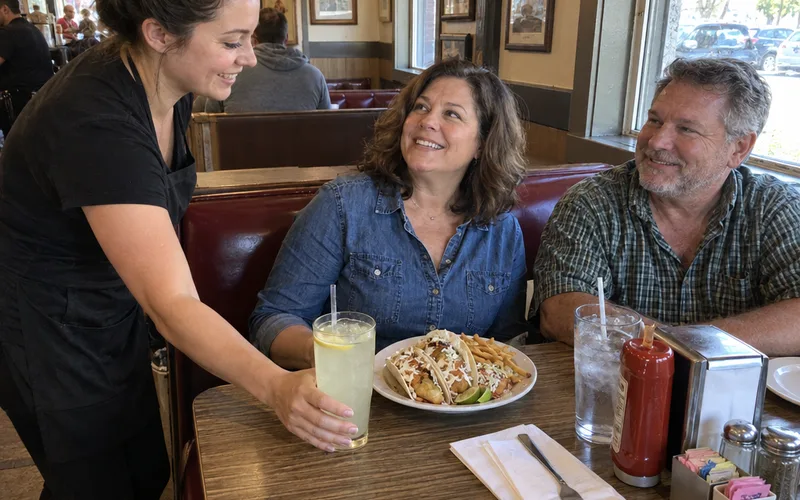
A specific suggestion is far easier to say yes to than “Anything else?”
- Best for: Diners, pizzerias and family restaurants with table service. Skip it if guests order at a kiosk with no staff contact.
- Cost: Free (a 10-minute pre-shift huddle).
- Payoff: 53% of guests say they’d pay more for personalized beverage pairings (2025 guest survey).
- Time: Same day.
- First step: Pick 3 popular dishes and one drink or side that goes with each, then teach them at tonight’s pre-shift meeting.
That number comes from the same SevenRooms survey, where 53% of guests said they’d pay more for personalized beverage pairings. A pairing feels like advice from someone who knows the menu, not a sales pitch.
Here’s what to say:
“The fish tacos go great with our house lemonade. Want me to bring one out with them?”
Notice the shape: name the dish they picked, name one item, then ask a yes-or-no question.
Drinks are the easiest place to start, because the drink order comes first and sets up the rest of the meal. A “this or that” question works too, like “Fries or a side salad with that?”, since it offers a choice instead of a yes-or-no.
The catch?
Servers who push every table start to sound pushy. So keep it to one suggestion per table, tied to what the guest already chose, and drop it if the guest seems rushed.
Once that habit sticks, these restaurant upselling techniques add desserts, sides and bigger sizes to the same routine.
3. Post Your Specials on Instagram With an Order Link
Post tonight’s special on Instagram and other social apps, with a link in your bio that lets people order or book directly.
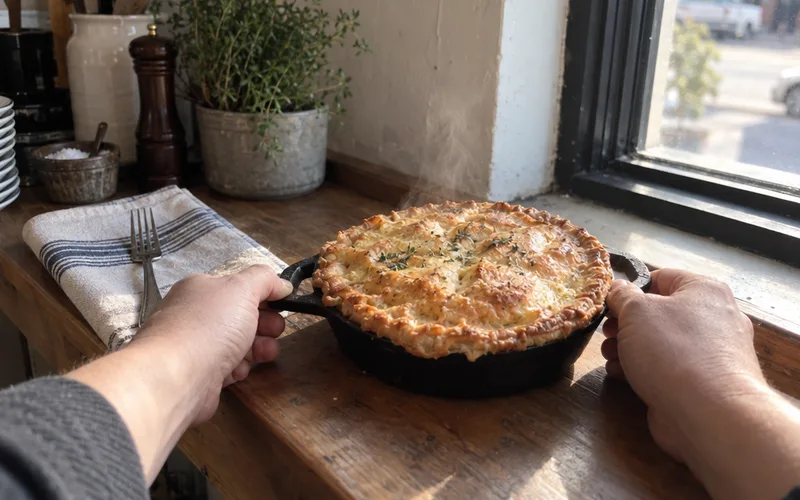
A photo of a real plate gives followers a reason to come in today instead of someday.
- Best for: Places with photogenic dishes and someone who can post 3 times a week. Skip it if nobody on your team can post at least weekly.
- Cost: Free.
- Payoff: 49% of U.S. diners use social media to find and book restaurants (company research, reported 2026).
- Time: This week.
- First step: Add your direct ordering or reservation link to your Instagram bio today.
SevenRooms reports that 49% of diners in the U.S. use social media to find and book restaurants. So your feed works like a menu board for people who haven’t walked in yet.
Here’s a simple routine:
- Snap the special next to a window in daylight, before service starts.
- Write one line with the dish, the price and when it ends.
- Add your neighborhood as the location and 2 or 3 local hashtags, so nearby diners see it.
- Reply to every comment and message the same day.
Here’s an example caption:
“Chicken pot pie is back tonight only. Tap the link in our bio to order for pickup before we sell out.”
Specials aren’t the only thing worth posting. Short clips of the kitchen prepping, a regular’s birthday or a new server’s first shift show people what it feels like to eat with you.
For a weekly posting plan, see how to promote your restaurant on social media without paying for ads.
4. Start a Digital Punch Card
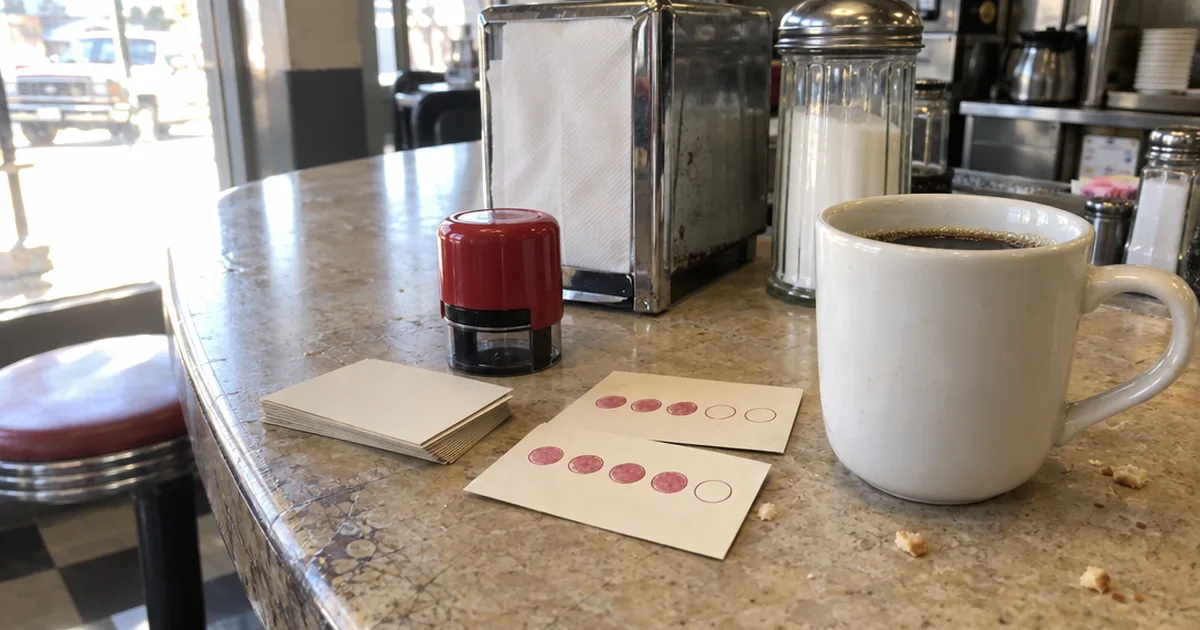
Give every first-time diner a digital punch card they save to Apple Wallet or Google Wallet.
A card on their phone gives them an incentive to come back, and it can’t get lost in a coat pocket.
- Best for: Diners, pizzerias, taquerias and cafes with guests who could visit every week. Skip it if most of your guests are tourists passing through once.
- Cost: Free to start with some apps, including Loyalty Cards.
- Payoff: The closest number: Balance Hospitality Group’s early-access perks for loyal guests brought in over $1.3 million and 18,000 covers in 18 months (case study).
- Time: 2-4 weeks.
- First step: Pick one reward a regular can reach in about 5 visits, like a free dessert or entree.
SevenRooms says Balance Hospitality Group, a large restaurant group, generated over $1.3M and 18,000 covers by emailing loyal guests early access to events. Your numbers will be smaller, but the idea is the same: reward the people who already come back.
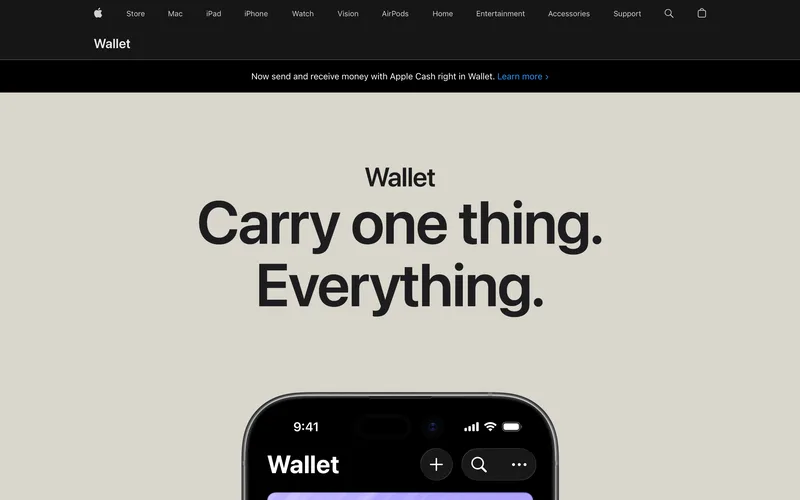
A simple loyalty program works best when guests can see their progress. Here’s how to set one up so it actually gets used:
- Make the reward reachable in about 5 visits, so a weekly regular earns it in a month or so
- Print a QR code on a table tent and at the register
- Give a bonus stamp on the first visit as an incentive, so nobody starts at zero
- Train staff to mention it when they drop the check
Here’s what to say at the register:
“Want a free dessert on your fifth visit? Scan this and the card saves right to your phone.”
A digital punch card also tells you who your regulars are, which a paper card never does. If you’re comparing tools, this list of free loyalty card apps shows how long each one stays free, and the basics of customer loyalty programs cover rewards beyond punch cards.
Key Takeaway: A reward guests can reach in a month beats a big reward nobody earns.
5. Host a Weekly Event on Your Quietest Night
Run the same event every week on your slowest night, like trivia, an open mic or a local musician.
Guests plan around a weekly event, so the night stops being a guess.
- Best for: Family restaurants, pizzerias and bars with room for groups. Skip it if your dining room is already full every night.
- Cost: Free if a staffer hosts trivia; a musician’s fee for live music.
- Payoff: 53% of guests say they’d pay more for live music (2025 guest survey).
- Time: 2-4 weeks.
- First step: Pull 8 weeks of sales by day from your POS and circle the lowest night.
In SevenRooms’ 2025 survey, 53% of guests said they’d pay more for live music. That makes a solo guitarist or acoustic duo one of the easier events to charge a little more around.
Here’s a hypothetical example of how the math can work.
Say your Tuesday averages 30 covers at $20 each, or $600. If a weekly trivia night adds 15 covers at the same check, that’s $300 more on the night, before food cost and any prizes.
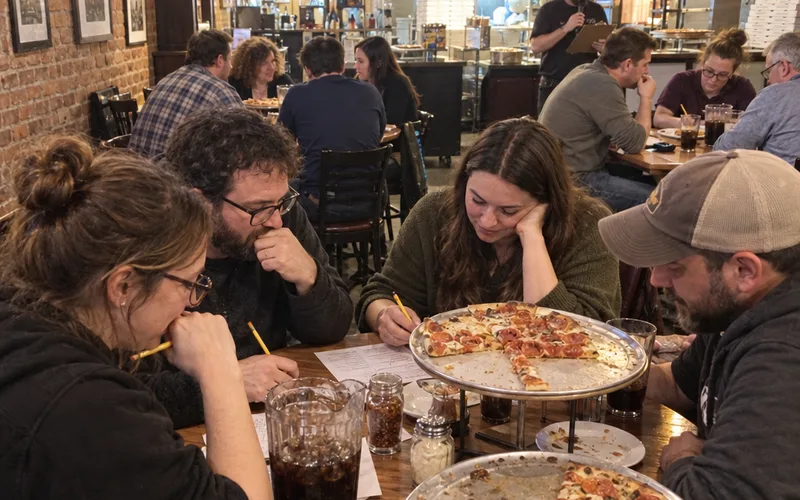
Promote it the same way every week: a table tent the week before, a social post that morning and a text to your club in the afternoon.
Start with the free version, run it for 4 straight weeks and only then decide whether a paid performer is worth it. For 10 more formats, from game nights to pairing dinners, browse these restaurant event ideas.
In other words, pick one night, one event and stick with it.
6. Put a Shareable Platter at the Top of Your Menu
Move a high-margin shareable platter to the spot on your menu where eyes land first, and give it the longest description.
Small menu changes steer what diners order without a single word from your servers.
- Best for: Menus with an appetizer list and lots of groups of 3 or more. Skip it if your menu is a fixed board you can’t change.
- Cost: Low: the cost of reprinting your menu.
- Payoff: 62% of guests say they’d pay more for a curated appetizer platter (2025 guest survey).
- Time: 2-4 weeks.
- First step: Pull your POS item report and write each appetizer’s price next to its food cost.
That 62% figure from SevenRooms’ 2025 survey makes a platter a strong item to feature. And because a platter feeds a whole table, it raises the check for everyone sitting there at once.
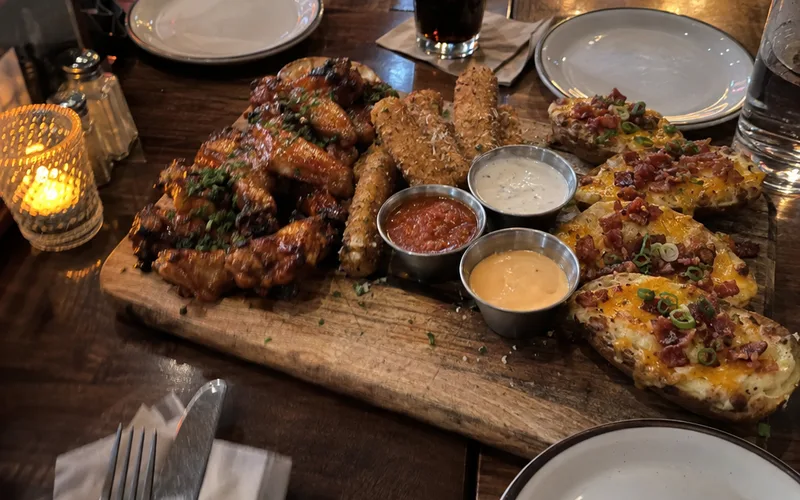
Here’s a checklist for the redesign:
- List the platter first among your appetizers, or set it in a box that stands out
- Write it a 2-line description that names its best ingredients
- Drop the dollar signs from your prices
- Cut slow sellers that crowd the page
Here’s the hypothetical math: a platter that sells for $18 and costs $6 to make leaves $12 per order. Sell 10 more a week and that’s $120 a week, or about $6,240 over a year.
Regulars can get thrown when their favorite dish moves or disappears. So keep the dishes your regulars order every week, and tell your servers about every change before the new menu hits the tables.
To find which dishes really earn their spot, run the numbers with this guide to restaurant menu engineering.
7. Build a Special for Your Slowest Shift
Create one special for the shift that runs half empty, like a weekday lunch or an early dinner.
A slow shift costs you the same rent and staff as a busy one, so every extra cover there is mostly new money.
- Best for: Owners with one clear dead spot in the week. Skip it if every shift is already busy.
- Cost: Low: the food cost of the special.
- Payoff: 59% of guests say they’d pay more for customized tasting menus (2025 guest survey), the kind of early-week special suggested for slow shifts.
- Time: 2-4 weeks.
- First step: Find your slowest daypart in the POS, then write one special that’s quick for the kitchen to make.
SevenRooms advises restaurants to fill their slowest shifts before discounting busy ones, and in its 2025 survey 59% of guests said they’d pay more for customized tasting menus. That’s a strong hint that a slow-shift special can be something guests pay up for, not just a discount.
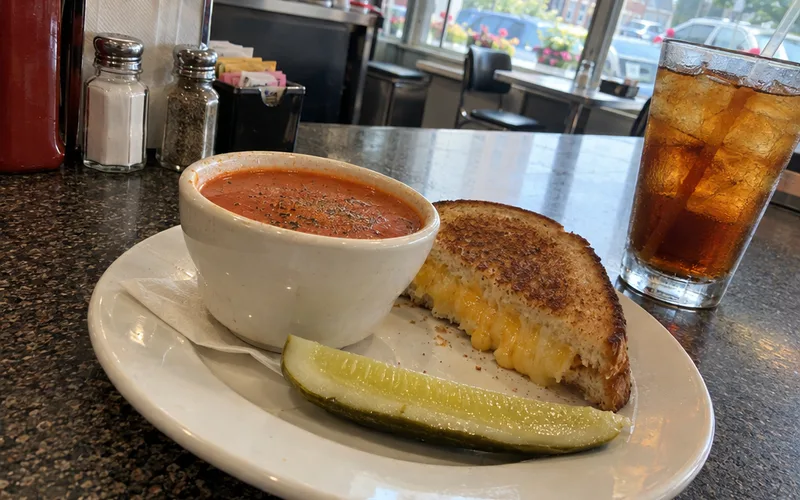
Here’s how to build it:
- Pick the daypart, such as Tuesday lunch or Wednesday from 4 to 6 p.m.
- Choose a dish your kitchen makes fast, or a small tasting menu for early dinner.
- Price it so the margin stays close to your regular menu.
- Announce it to your regulars first by text, email and a table tent.
- Run it for 4 weeks and compare that shift’s sales with the 4 weeks before.
Lunch crowds want speed and a set price, so borrow from these lunch special ideas for restaurants for weekday noon. For a late-afternoon gap, bar food specials and happy hour bites fill seats before the dinner rush.
Note: Never give away your busy Saturday to fill a dead Tuesday. These restaurant marketing offers show how to target a deal at one shift without training guests to wait for a coupon.
8. Send Targeted Emails, Not Blasts
Send short emails to small groups of guests, like your weekday lunch regulars or people who haven’t visited in 2 months.
A message that fits the person reading it gets opened, and a generic blast gets ignored.
- Best for: Owners who already collect guest emails through online orders, reservations or Wi-Fi sign-ups. Skip it if you have fewer than 100 emails, and build the list first.
- Cost: Low: an email tool’s monthly fee once you outgrow a free plan.
- Payoff: Targeted, automated emails generate 12X more revenue per email than mass sends (2025 platform data).
- Time: This week.
- First step: Export your guest list and split it into 3 groups: regulars, lapsed guests and first-timers.
According to 2025 SevenRooms platform data, targeted, automated emails generate 12X more revenue per email than mass sends. That’s the case for sending fewer, sharper emails.
For example, a lapsed-guest email might read:
“We haven’t seen you since spring, and the patio’s open again. Show this email this week for a free appetizer with any entree.”
Set it to go automatically when someone hasn’t ordered in 60 days, and it keeps working while you run the kitchen.
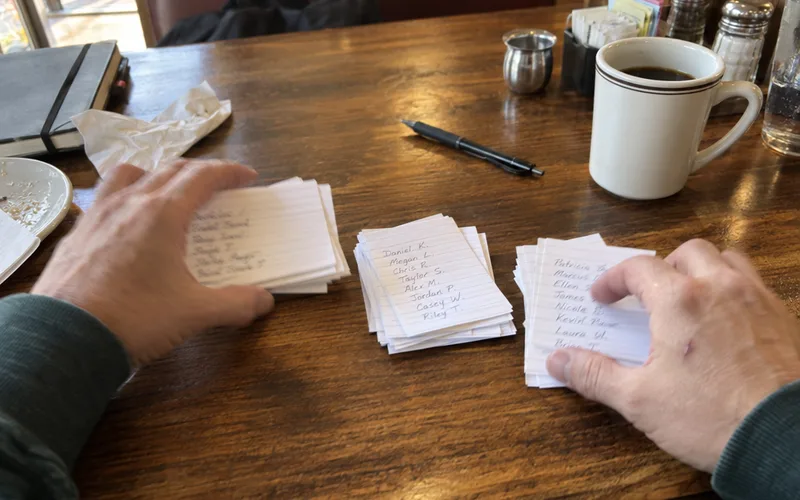
No list yet? Every online order, reservation and punch card sign-up can ask for an email, so the list grows on its own each week.
The details of subject lines, timing and segments are in this guide to restaurant email marketing.
9. Start a Text Club for Slow-Night Deals
Invite guests to join a text club, then text them when you have a slow night or a new special.
A text lands on the phone in a guest’s pocket, which suits same-day offers.
- Best for: Places with regulars who live or work nearby. Skip it if you can’t commit to texting at least twice a month.
- Cost: Low: a text platform’s per-message fees.
- Payoff: 48% of consumers prefer connecting with restaurants via text (2025 industry trends report).
- Time: 2-4 weeks.
- First step: Put a text-to-join sign at the register with a small welcome reward.
SevenRooms’ 2025 U.S. Restaurant Industry Trends report found that 48% of consumers prefer connecting with restaurants via text, especially for time-sensitive messages. That’s why a text suits a “we have open tables tonight” message.
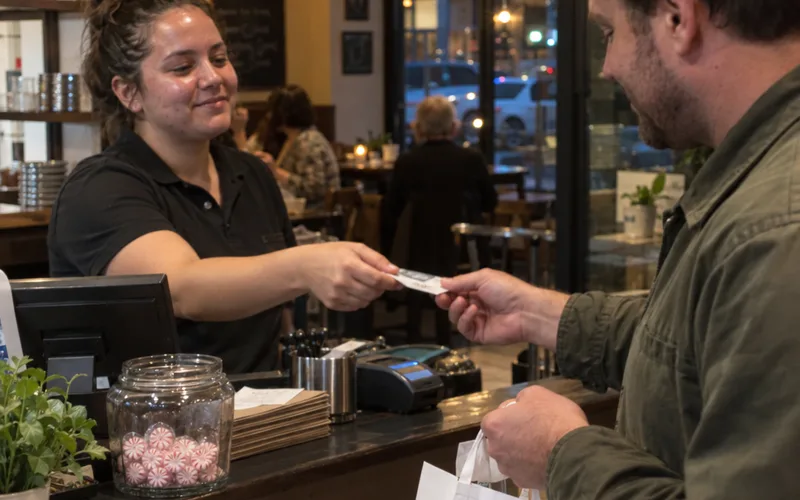
Here’s how to launch it:
- Get clear opt-in from every guest, using a sign or online form that explains what they’ll receive.
- Send a welcome text with the reward you promised.
- Text no more than a few times a month, with one clear offer each time.
- Include “Reply STOP to opt out” in every message.
Here’s a sign you can put by the register:
“Join our text club for slow-night deals. Text JOIN to our number and get a free drink on your next visit.”
Here’s a hypothetical slow night: it’s 3 p.m. on a Tuesday, with 6 reservations on the books, so you send this text:
“Half-price appetizers tonight from 5 to 7 for our text club. Show this text to your server.”
Opt-in rules matter for texts, so read the basics of restaurant text marketing before your first send.
10. Move Delivery Customers to Direct Ordering
Set up your own online ordering page, then give delivery-app customers a reason to order there next time.
Third-party apps charge a commission on every order, while a direct order keeps the guest’s contact details and more of the sale.
- Best for: Places that already get regular takeout and delivery orders through apps. Skip it if you rarely sell food to go.
- Cost: Medium: an online ordering system’s setup or monthly fees.
- Payoff: Nearly 80% of customers prefer to support restaurants directly (discovery and booking report).
- Time: 1-3 months.
- First step: Compare 2 or 3 commission-free ordering systems and their monthly fees this week.
A SevenRooms restaurant discovery and booking report found that nearly 80% of customers prefer to support restaurants directly by booking on the restaurant’s website or calling the venue. So many app customers would order from you directly if you made it just as easy.
Here’s what to put in every delivery bag:
- A card that says “Order direct next time and save,” with a QR code to your ordering page
- A small first-order incentive, like a free side
- Your phone number for pickup orders
When a delivery regular calls or walks in, tell them about the page too:
“Next time, order on our website. Same food, and you’ll get a free side on your first order.”
A family meal bundle is a good first offer for your own page. A set dinner for 4 is easy to price, easy for the kitchen to batch and simple to compare with the same meal on an app.
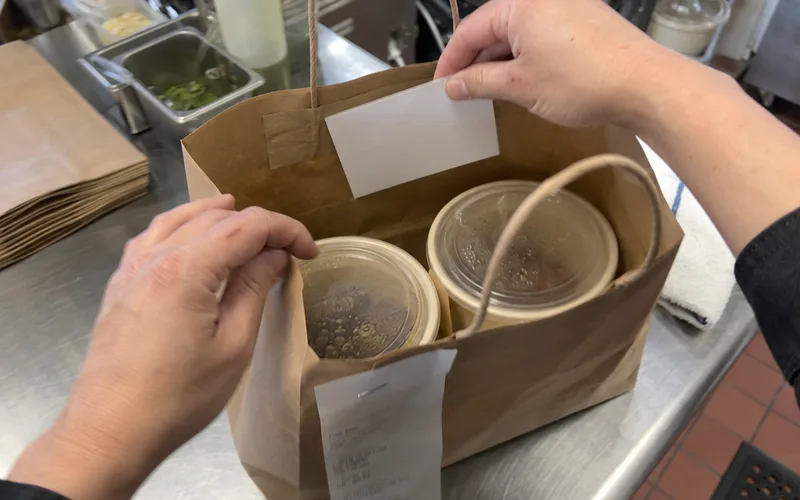
The catch is that apps still bring you new customers. So keep them for discovery, and use each bag to move the regulars over.
These commission-free online ordering options compare the systems, and this takeout marketing guide covers promoting pickup once your page is live.
Which Idea Should You Start With?
The first idea to increase restaurant sales should match your biggest problem: a weekly event for slow weeknights, server pairings for a low average check and a Google Business Profile for too few new diners. Pick the problem that costs you the most money, then start with the free idea that fixes it.
Here’s how the 10 ideas line up with each problem:
- Slow weeknights: idea 5 (weekly event), idea 7 (shift special) and idea 9 (text club)
- Low average check: idea 2 (server pairings) and idea 6 (featured platter)
- Too few new customers: idea 1 (Google profile) and idea 3 (social posts)
- Guests who never come back: idea 4 (punch card) and idea 8 (targeted emails)
- Paying too much to apps: idea 10 (direct ordering)
Your type of restaurant matters too. A counter-service taqueria gets more from ideas 1, 3 and 4, while a sit-down diner with servers can start with idea 2 tonight.
How to Increase Restaurant Sales Without Advertising
The way to increase restaurant sales without advertising is to sell more to the guests you already have, through server pairings, a featured platter on your menu, a digital punch card and texts or email. Not one of those ideas needs a paid ad.
Start with ideas 2 and 6, which raise the average check of guests already in your seats. Then use ideas 4, 8 and 9 to bring those same diners back more often.
Advertising only pays off once a first visit has a good chance of turning into a second. So fix what happens inside your walls before you buy attention outside them.
How to Increase Restaurant Sales Online
The best way to increase restaurant sales online is to make it easy to find you and order direct: a complete Google Business Profile, social media posts with an order link and your own commission-free ordering page. SevenRooms research shows 1 in 3 people discover and book restaurants through Google.
Here’s the order I’d set them up in:
- Your Google Business Profile, since it’s free and shows up when people search for you by name.
- Your social media bio link, so every post can turn into an order.
- Your own ordering page, so online sales don’t pay a commission.
- Email and text lists, so online customers hear from you again.
Each step feeds the next one. And once your own ordering page exists, every other online channel can point to it instead of to an app.
How to Turn First-Time Diners Into Regulars
The way to turn first-time diners into regulars is to get their contact details on the first visit, then give them a reason to return within a few weeks, like a digital punch card. A second visit is the hardest one to earn, so make it the focus.
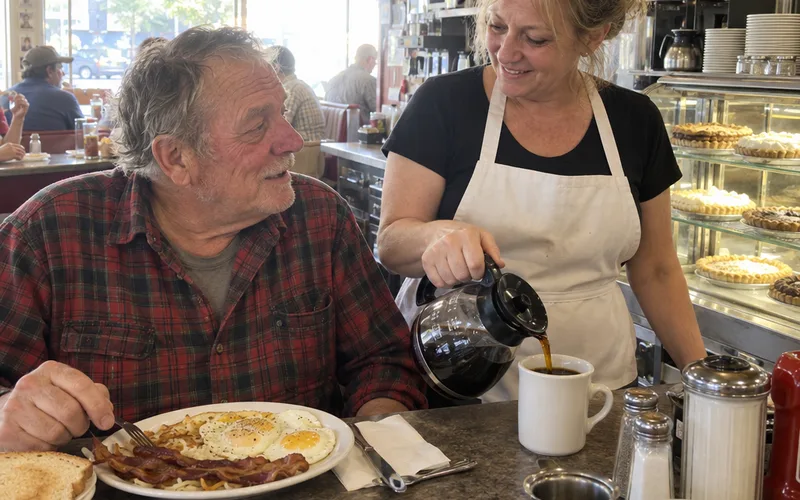
Here’s a simple first-visit routine:
- Offer the punch card at the register, with a bonus stamp for joining today
- Ask for an email or phone number in exchange for a small next-visit reward
- Send a thank-you message within 2 days
- Follow up with an offer if they haven’t come back in 30 days
Regulars matter because they show up on the nights you need them. Say a hypothetical regular spends $15 a visit and comes twice a month: that’s $360 a year from one person, before they bring a friend.
That’s where the direct relationship pays off: you’re not renting your own customers back from an app every time they’re hungry. The tactics in this guide to restaurant customer retention go deeper on keeping guests once they’ve returned.
How to Tell Whether an Idea Is Working
The way to tell whether an idea to increase restaurant sales is working is to compare POS sales and diners served on the shift it targets, 4 weeks before and 4 weeks after you start. Track covers and average check separately, because some ideas bring more guests and others raise what each guest spends.
Here’s what to watch for each idea:
- Ideas 2 and 6: average check per guest
- Ideas 5 and 7: covers on the targeted night or daypart
- Ideas 4, 8 and 9: how many guests come back within 30 days
- Idea 10: the share of to-go orders that come through your own page
Here’s a hypothetical: Tuesday lunch averaged 22 covers over the last 4 weeks and averages 31 after the special starts. That special is working, and if it had stayed flat, you’d change the dish or the price before dropping the idea.
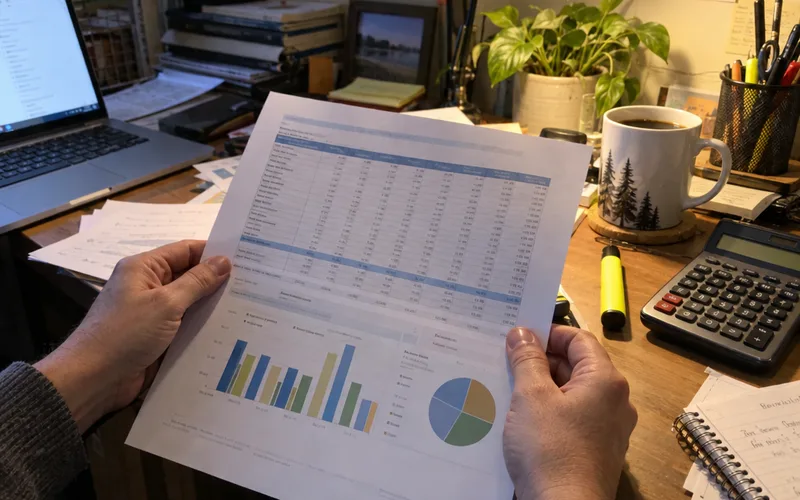
Change one thing at a time. If you launch a special, a text club and a new menu in the same week, you won’t know which one did the work.
Long Shots Worth Knowing About
These ideas can raise sales, but most need money, space or a team that a small kitchen may not have yet:
- Restaurant week: brings new diners, but you’ll serve a set menu at a set price and need extra prep.
- Branded merchandise: shirts, sauces and cookbooks can sell, but you have to buy inventory before the first sale.
- Premium seating: charging more for a window table or patio suits places with a view, not most diners.
- Catering and private events: large orders pay well, but you need a private room or the staff to deliver.
- Paid ads: Google and Facebook ads can work, but only after ideas 1 and 3 give the ad somewhere good to send people.
- Raising prices: often needed, but test it on a few items first, using these restaurant pricing strategies.
Frequently Asked Questions
How can I increase restaurant sales quickly?
The quickest way to increase restaurant sales is to have servers suggest one specific pairing with each order, which you can start at tonight’s pre-shift meeting. In SevenRooms’ 2025 guest survey, 53% of guests said they’d pay more for personalized beverage pairings.
How can I boost my restaurant business?
You can boost your restaurant business by raising one of 2 numbers: how many guests you serve or how much each guest spends. Pick the one that’s weaker in your POS reports, then start with the free idea on this list that targets it.
What are low-cost ways to boost restaurant sales?
The lowest-cost ways to boost restaurant sales are free: update your Google Business Profile, train servers to suggest pairings, post specials on social media with an order link and start a digital punch card. Start with the Google profile, since SevenRooms reports 1 in 3 people discover and book restaurants through Google.
Do loyalty programs increase restaurant sales?
Loyalty programs can increase restaurant sales by giving first-time guests a reason to come back instead of trying somewhere new. Keep the reward reachable in about 5 visits, and put the card in Apple Wallet or Google Wallet so guests don’t lose it.
Is text message marketing worth it for restaurants?
Text message marketing is worth it for restaurants with a slow shift to fill, because SevenRooms’ 2025 U.S. Restaurant Industry Trends report found 48% of consumers prefer connecting with restaurants via text. Text only guests who opted in, and send no more than a few offers a month.
How do I increase lunch sales in a restaurant?
To increase lunch sales in a restaurant, build one lunch special that’s fast to serve and priced for a workday, then announce it before 11 a.m. by text or on social media. Track lunch covers for 4 weeks to see whether it’s working.
What is the most profitable item that restaurants sell?
The most profitable item a restaurant sells is the dish with the biggest gap between its menu price and its food cost, and only your own numbers can name it. Pull your POS item report, subtract each dish’s food cost and feature the winner at the top of the menu.
Final Thoughts
The best ideas to increase restaurant sales are the free ones you can start before your next shift.
Pick one idea from 1 through 4, set it up this week and check your POS numbers in 4 weeks before adding the next.