One cent can make a $10 special feel like a deal.
Guests see $9.99 and feel they’re saving more than at $10, a small-business explainer from Chron notes. Small details like that decide whether a special sells.
The best restaurant specials ideas use food you already stock. Below are 10, ranked from free to the ones that need new ingredients, each with its cost, payoff, timing and a first step.
Pick by the problem in front of you:
- A walk-in full of odds and ends can become tonight’s #1.
- Your deadest weeknight needs a name, which #2 gives it.
- Slow lunches are what #4 was built for.
10 Restaurant Specials Ideas, Free Ones First
The cheapest restaurant specials ideas are a use-it-up chef’s special, a weekly theme night and a bounce-back offer, so they lead this list, which ranks 10 specials by what each costs to start.
1. Run a Use-It-Up Chef’s Special
Build tonight’s special from whatever needs to move in your walk-in. You’ve already paid for that food.
- Best for: Kitchens with extra prep or day-old bread. Skip it if your line can’t handle an off-menu dish.
- Cost: Free.
- Payoff: Say 6 portions of leftover pork go into $12 sandwiches: $72 from food headed for the trash (hypothetical).
- Time: Same day.
- First step: Walk the cooler before lineup and pick the 2 items closest to their date.
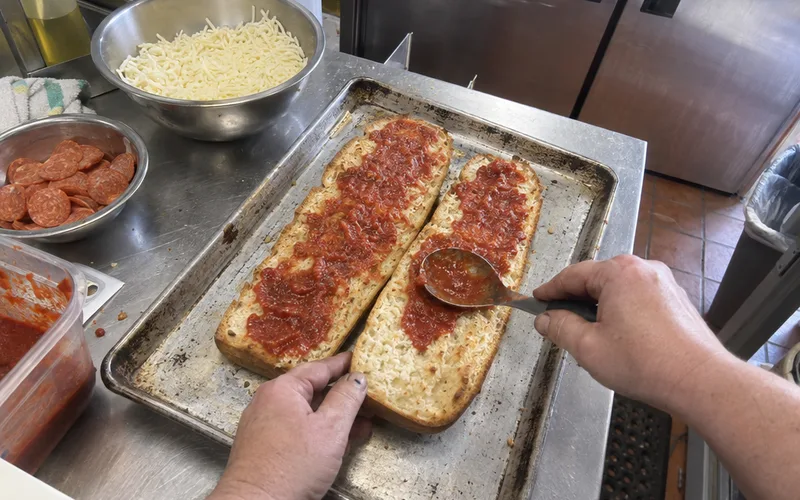
Day-old bread is the easy win. The French bread pizza recipe at The Spruce Eats works with any bread you have on hand.
Leftover meat becomes a breakfast hash or curry chicken, and extra vegetables go into frittatas or soup.
2. Give Your Slowest Night a Theme
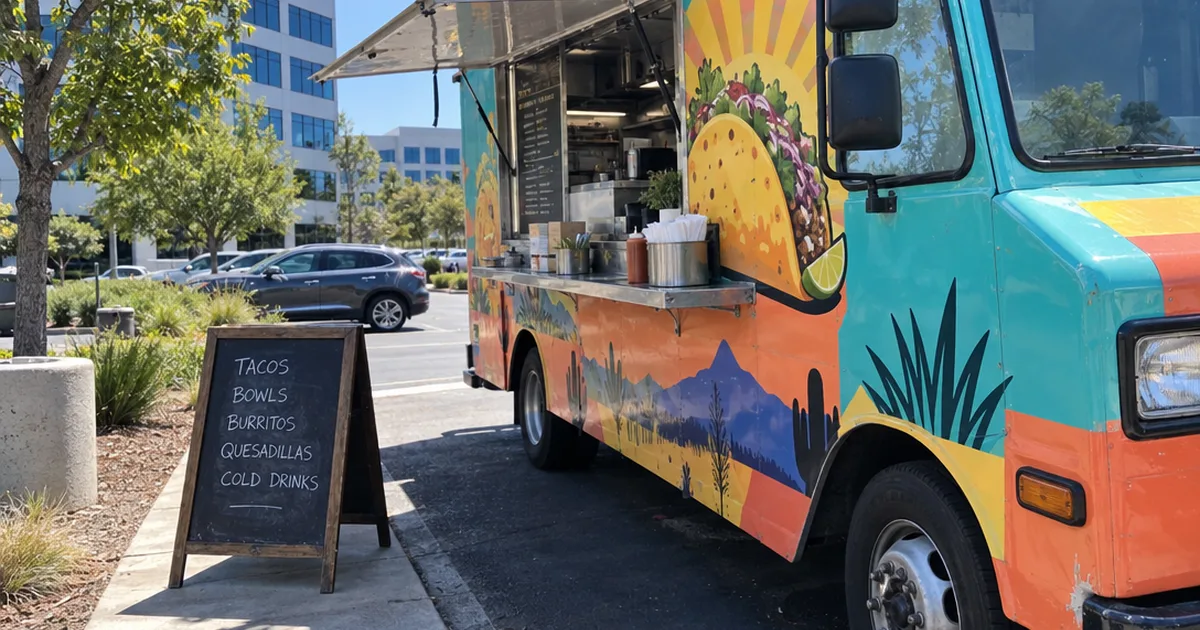
Name your slowest night after one dish you already cook well, like Taco Tuesday or a Friday fish fry.
- Best for: Restaurants with one dish people already love. Skip it if that dish backs up your kitchen.
- Cost: Free (it’s your current menu).
- Payoff: A habit. A guest who comes every Tuesday is 52 visits a year.
- Time: This week.
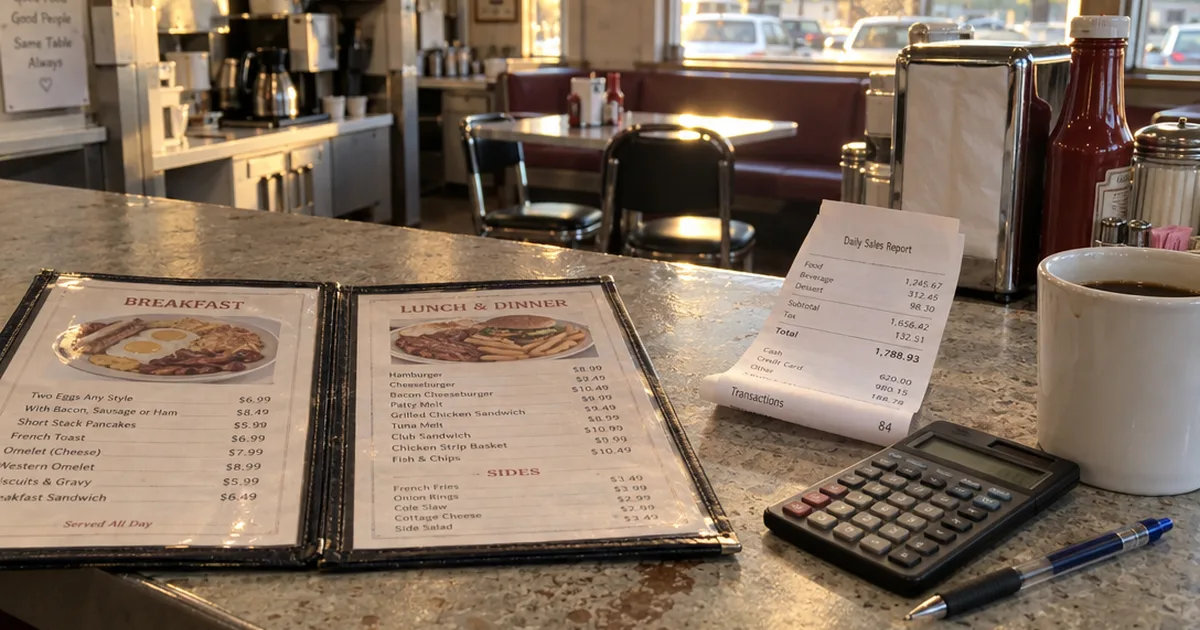
- First step: Find your best-selling dish in last month’s POS sales report.
Keep the theme on the same day forever, so guests learn when to show up.
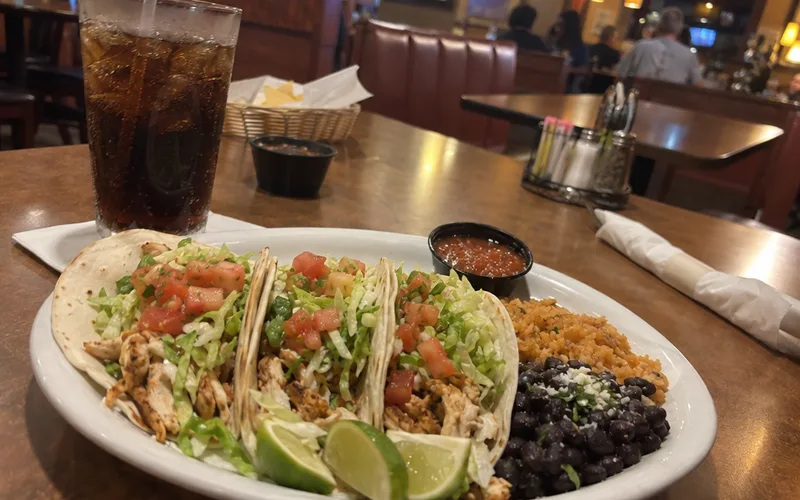
These restaurant event ideas add trivia or music on top of a theme.
3. Hand Out a Bounce-Back Offer
Give tonight’s customers a small discount on their next visit. Chron counts a percentage off the next purchase as a form of discount pricing.
- Best for: Turning first-timers into regulars. Skip it if a loyalty program already does this.
- Cost: Free tonight. The discount comes off a future check.
- Payoff: You only pay it when a guest comes back.
- Time: This week.
- First step: Print a small card with the offer and an end date 2 weeks out.
Here’s what your server can say: “Thanks for coming in. This is 10% off your next dinner, good for 2 weeks.”
A digital punch card does the same job on every visit, and it lives on the guest’s phone.
4. Pair Soup With a Half Sandwich at Lunch
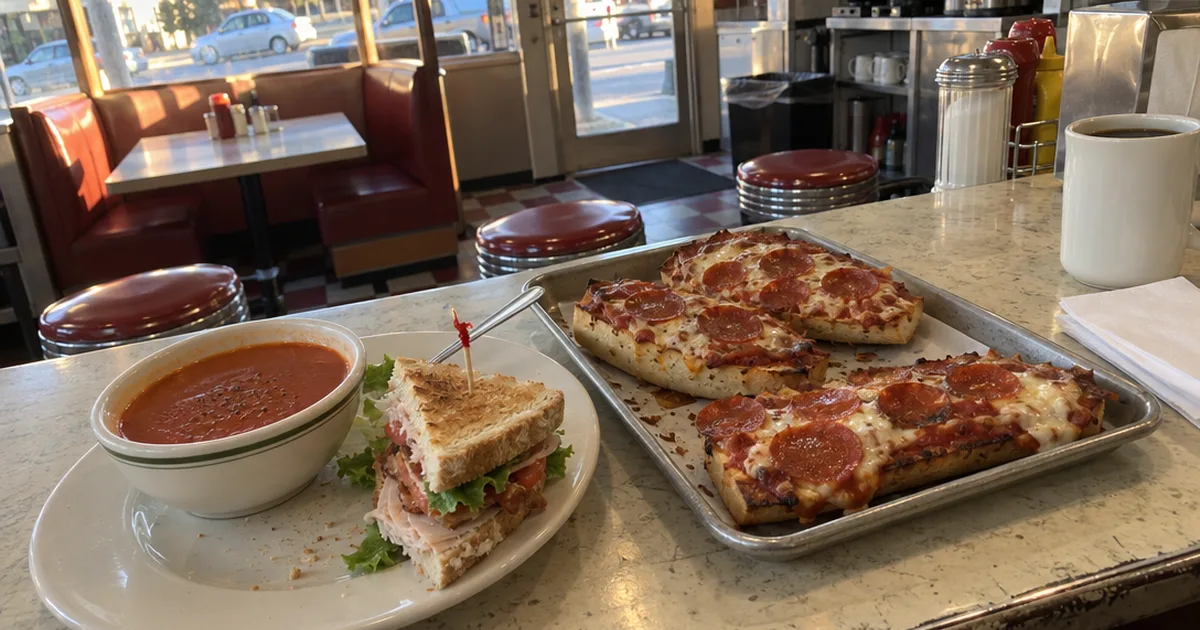
Rotate one soup a day and pair it with half of a sandwich you already make.
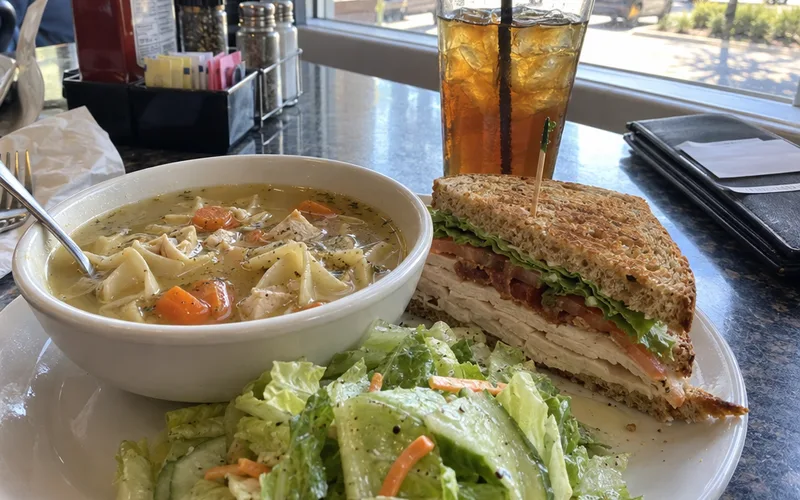
It plates fast for guests on a short lunch break.
- Best for: Diners, delis, cafes and family restaurants. Skip it if you open at dinner.
- Cost: Nothing new.
- Payoff: A fast plate. The chipotle turkey club from Taste of Home takes 15 minutes of prep and makes 4 servings.
- Time: Same day.
- First step: Pick the 2 sandwiches your kitchen plates fastest, like chicken salad.
Offer a romaine lettuce side salad or the salad bar to guests who skip soup. These lunch special ideas go deeper on midday menus.
5. Charm-Price a Value Combo
Bundle an entree, a side and a drink at $9.99 instead of $10.
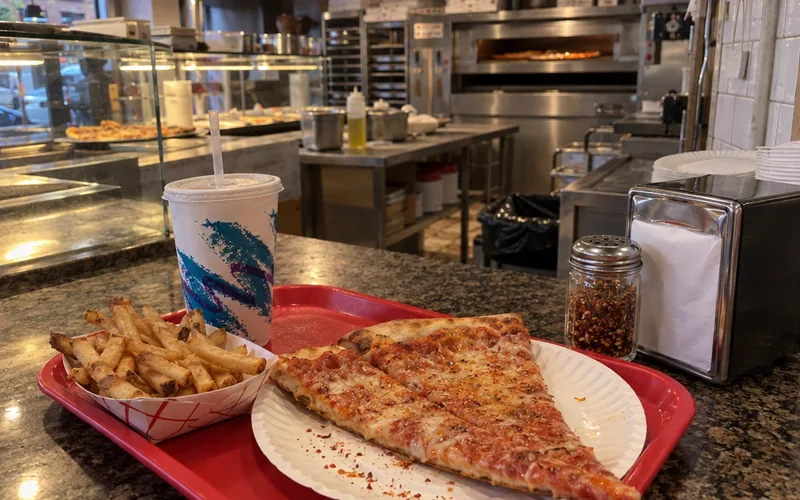
Charm pricing works because consumers read the first digit and stop.
- Best for: Counter-service spots, pizzerias and taquerias. Skip it if your brand is white-tablecloth.
- Cost: 1 cent a combo.
- Payoff: A price that reads as under $10.
- Time: Same day.
- First step: List your 3 top sellers and the side and drink that go with each.
Build the combo around a best seller, never a dish that doesn’t move.
6. Seat Early Birds Before the Rush
Offer an early bird special, a discount for guests seated before your dinner rush.
- Best for: Family restaurants and diners with empty tables before 6 PM.
- Cost: The discount, on early checks only.
- Payoff: Say 6 extra early tables spend $40 each: $240 at an hour that brought in nothing (hypothetical).
- Time: This week.
- First step: Find the hour before your rush with the fewest checks in your POS.
Put a hard end time on it, like “seated by 5:30,” so it never eats into full-price tables.
7. Run Small Plates at Happy Hour
Put 3 or 4 small plates on a happy hour menu between lunch and dinner, so cocktail and beer orders turn into food orders.
- Best for: Restaurants with a beer and wine license.
- Cost: The discount on small plates.
- Payoff: Say 15 drink orders each add a $6 plate: $90 in a dead window (hypothetical).
- Time: This week.
- First step: Pick 3 appetizers and cut the portions in half.
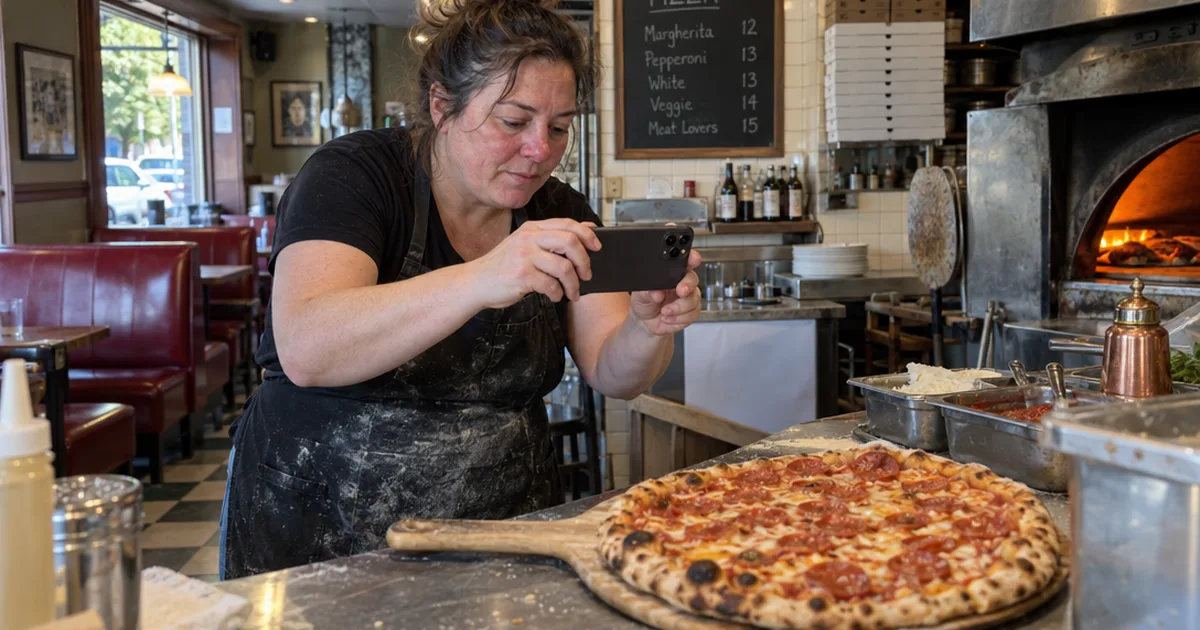
Wings with celery, pizza and nachos work because your line already preps them for customers.
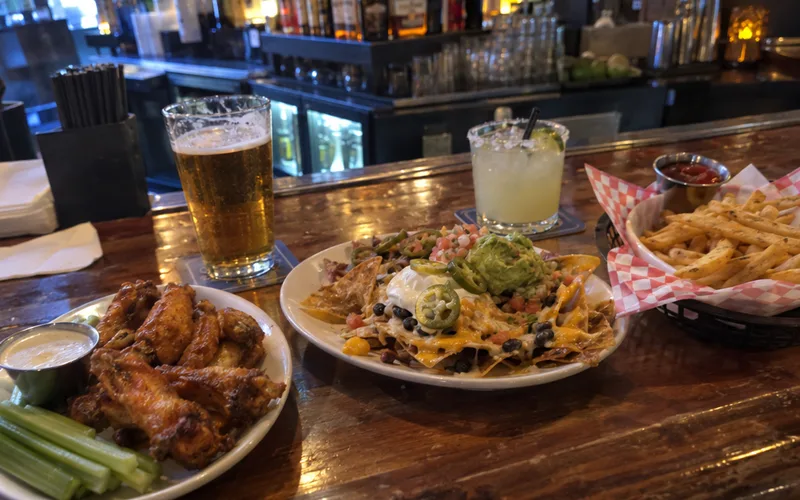
Browse these happy hour food ideas or bar food specials for more.
8. Offer a Second Entree at Half Off
BOGO means a customer gets two of the same item for the price of one, Chron explains.
The gentler restaurant version takes half off the second entree.
- Best for: Weeknight date nights and families. Skip it on full nights.
- Cost: Half the price of the second entree.
- Payoff: Two $18 entrees make a $27 check where a solo diner spends $18 (hypothetical).
- Time: This week.
- First step: Offer it only on the 2 entrees with your lowest plate cost.
The catch? A deal that runs every night trains guests to wait for it, so keep it to one slow night.
9. Set a 3-Course Prix Fixe Night
A prix fixe menu is one set price for a starter, a main and a dessert.
- Best for: Sit-down restaurants that want a date-night crowd.
- Cost: Staff time to plan it, plus printed menu cards.
- Payoff: A known check per guest, since all the meals are 3 courses.
- Time: 2-4 weeks.
- First step: Choose 1 starter, 2 mains and 1 dessert you already make.
Here’s how to set it up:
- Cost each course and add them up.
- Set one price that covers that total with your usual margin.
- Announce it 2 weeks ahead so couples can plan.
10. Feature a Seasonal Limited-Time Dish
Add 1 dish built on what’s in season, for a few weeks only. A clear end date makes guests order it now.
- Best for: Restaurants whose regulars want something new. Skip it if supply is spotty.
- Cost: New ingredients, plus a menu insert.
- Payoff: A reason for regulars to come in this month.
- Time: One season.
- First step: Ask your produce supplier what’s cheapest and best this month.
Right now, think squash soups and stews, plus these fall restaurant promotions.
How to Price a Special So It Makes Money
Price a restaurant special, like a sandwich or pizza, from its plate cost, the total cost of every ingredient on the plate, then check that the price still leaves your usual margin after any discount.
Say a pork sandwich costs $3.50 in ingredients and you want food to be 30% of the price. Divide $3.50 by 0.30 to get $11.67, so a charm price of $11.99 works (hypothetical; use your own target).
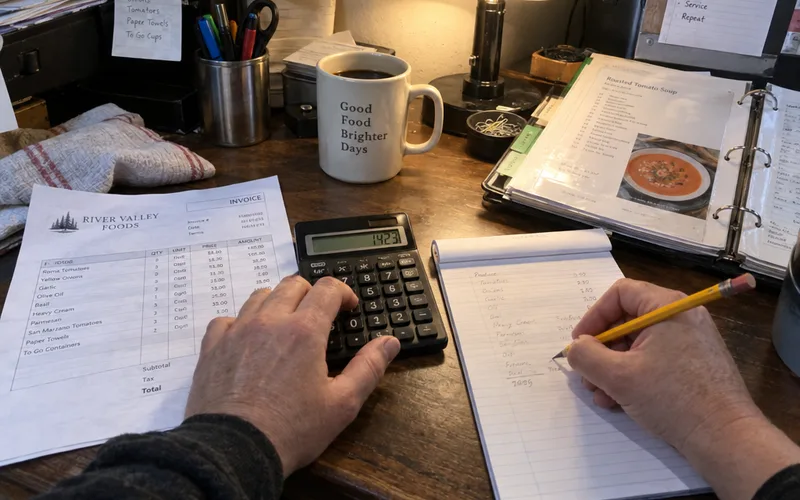
If the special is a deal, print the regular price beside it. Chron notes the difference doesn’t need to be much if it’s presented well.
For the full menu, use these restaurant pricing strategies and menu engineering.
How Many Specials Should You Run at Once?
Most small restaurants should run 2 or 3 specials at a time, such as one soup or salad, one main and one dessert, so every server can pitch them all.
Here’s the test: if a server can’t describe every special in 30 seconds, you have too many.
How to Promote Your Daily Specials
Restaurants promote daily specials in 3 places: a board guests see before they sit, every server’s pitch, and a text to loyalty program members before the shift.
Tell regulars first, since a quick text from your restaurant text marketing list reaches them in minutes. These chalkboard sign ideas help with the board.
Specials are the one piece of restaurant marketing strategy you can change daily, so keep what sells.
Frequently Asked Questions
What are good weekly specials for a restaurant?
Good weekly specials for a restaurant are a theme night on your slowest night, like Taco Tuesday, a soup and half-sandwich lunch combo and a chef’s special built from what needs to move. Keep each on the same day every week.
Are discount specials like 20% off worth it for a restaurant?
A 20% off special is worth it only on a slow shift, and only when it brings in guests who wouldn’t have come otherwise. First check how many extra covers you need to cover the discount on guests who’d have paid full price.
Final Thoughts
The best restaurant special is one you can repeat every week without losing money on it.
This week, walk your cooler, pick one item that needs to move and put it on the board as tonight’s special.