One New York restaurant’s trivia night added $800 in sales. After food, the host and prizes, about $340 of that was profit, its manager told Priceonomics in 2014.
That’s real money on a night most places write off. Events are one of the surest ideas to increase restaurant sales, because they give people a reason to pick a specific night.
Below are 10 restaurant event ideas, ranked from free to ticketed, each with its cost, payoff, timing and a first step. If your budget is zero this month, ideas 1 through 3 cost nothing but staff time, and if your Tuesdays are dead, trivia (idea 2) is the classic fix.
How These Event Ideas Are Ranked
The cheapest restaurant event ideas are theme nights, trivia and open mic nights, which cost nothing but staff time and use the menu and space you already have.
When 2 ideas cost about the same, the one more restaurants can run comes first.
10 Restaurant Event Ideas, Free Ones First
The best restaurant event ideas for a slow weeknight are recurring ones, like a theme night, trivia or game night, because guests learn to expect them. Ideas 5 through 7 add small costs, and ideas 8 through 10 are ticketed.
1. Run a Weekly Theme Night
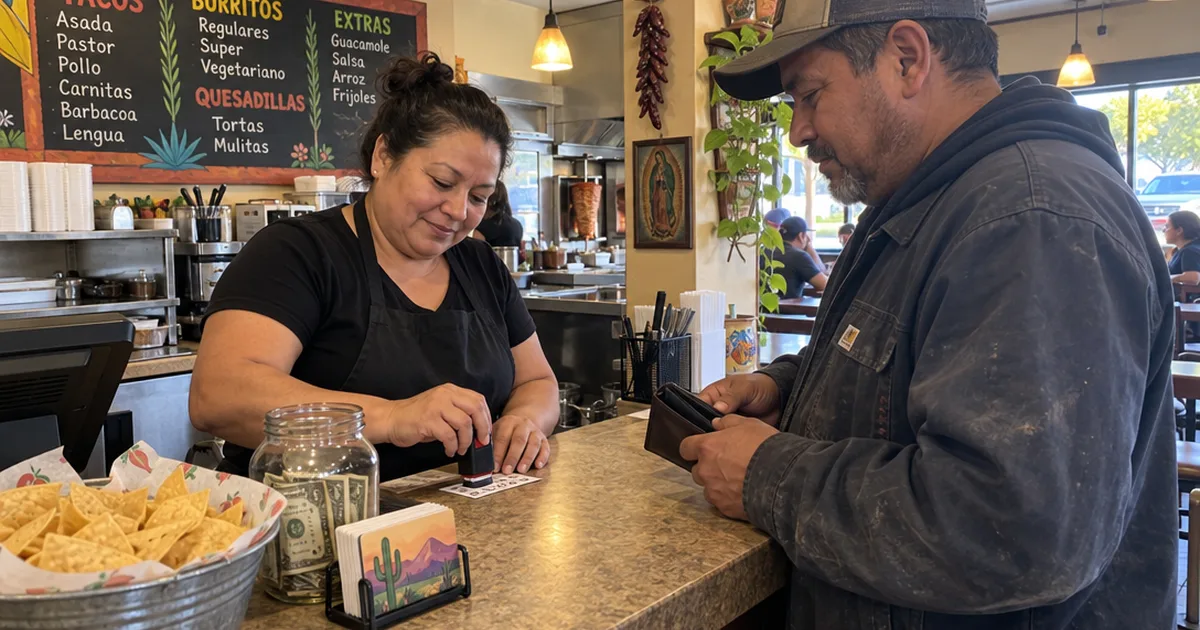
Give one dish or cuisine you already cook its own night, like Taco Tuesday or a Friday fish fry.
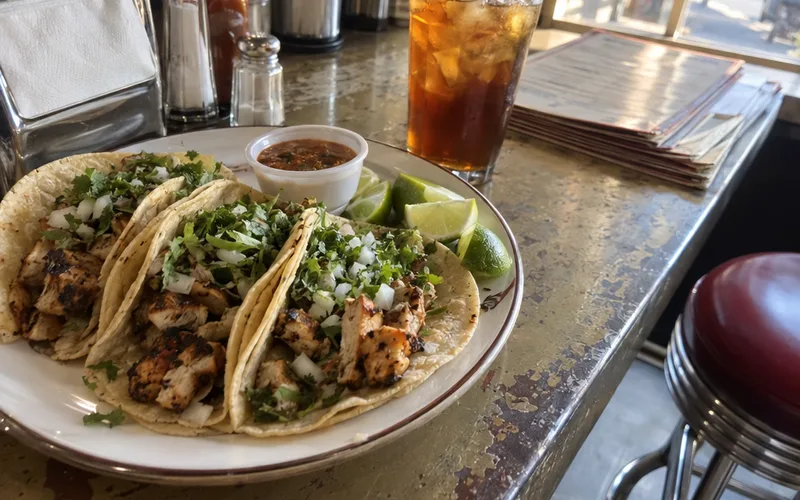
A theme gives diners a reason to circle a day on the calendar.
- Best for: Any restaurant with one dish people already love. Skip it if your kitchen can’t handle a rush on one item.
- Cost: Free (it’s your own menu).
- Payoff: A predictable crowd on an empty night, built on a meal you already make well.
- Time: This week.
- First step: Pull last month’s sales from your POS and find your top-selling dish.
Put the day in the name, like Lasagna Wednesday at an Italian restaurant, and pair it with a happy hour cocktail or one of your bar food specials.
Holiday and harvest nights work the same way, and these Halloween promotions for restaurants hand you a theme for October.
2. Host a Weekly Trivia Night
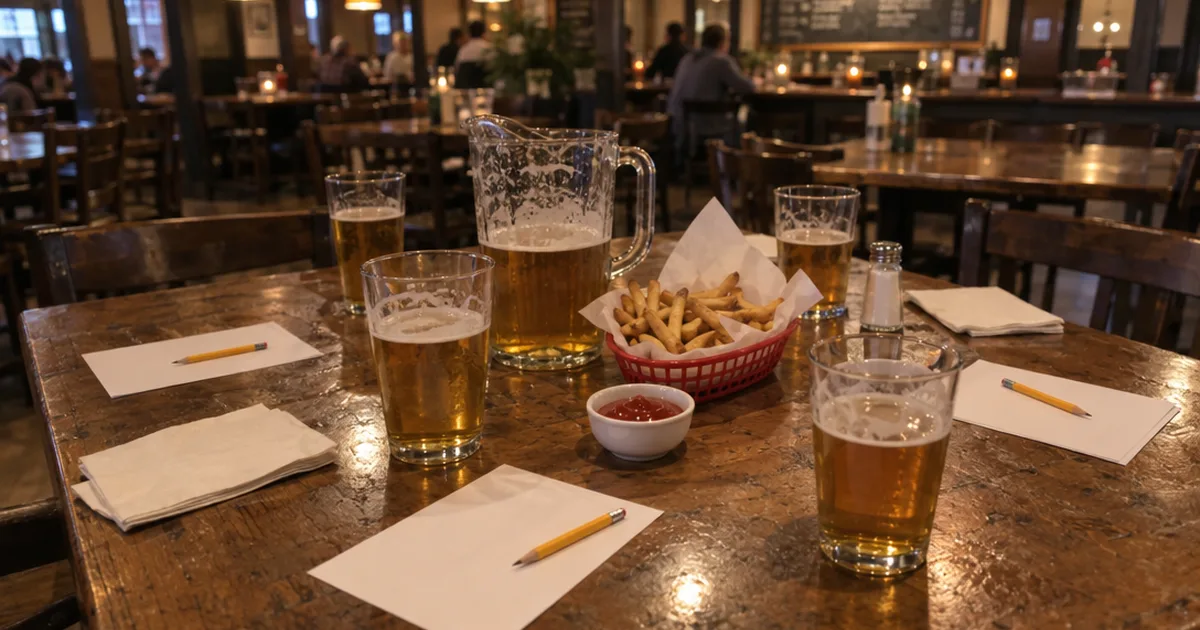
Run a weekly trivia night, where teams answer rounds of questions for a prize.
Teams come back every week to defend their scores.
- Best for: Pizzerias, family restaurants and bars with tables for teams of 4 or more. Skip it if your room is tiny and loud.
- Cost: Free if a staffer hosts; about $150 to $200 per event for a trivia company (2014).
- Payoff: Sales up 30% to 65% on trivia nights at the bars interviewed (2014).
- Time: 2-4 weeks.
- First step: Pick a Tuesday or Wednesday and ask your most outgoing bartender to host.
Trivia companies usually charged bars about $150 to $200 per event, according to Priceonomics.
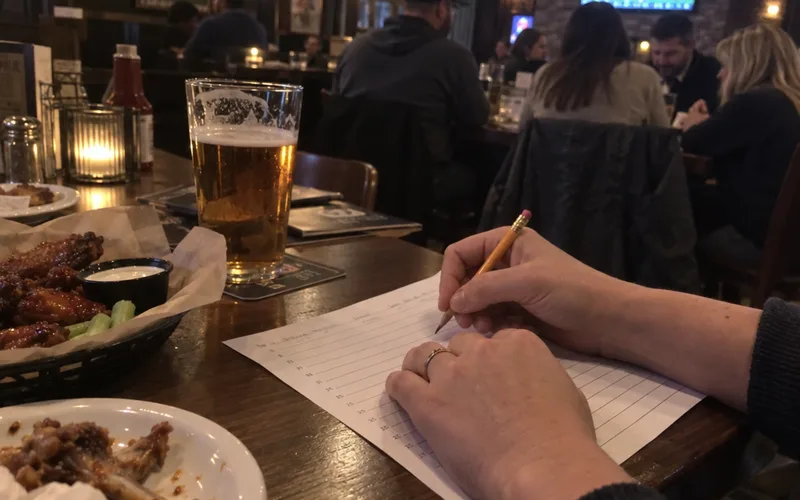
Here’s the real math from Coogan’s Restaurant in New York:
- Those nights brought in about $800 in extra sales.
- Food and drinks for those sales cost about $200.
- The host company took $175, and gift card prizes cost $85.
- That left about $340 in profit.
Go DIY at first, and that $175 fee stays in your pocket.
3. Start an Open Mic Night
Give local musicians, comedians and poets short slots on a corner stage.
An open mic fills seats because performers bring friends to watch.
- Best for: Cafes, diners and restaurants near a college or arts community. Skip it if neighbors already complain about noise.
- Cost: Free (a sign-up sheet and the speaker you own).
- Payoff: A built-in audience of performers’ friends, ordering while they wait.
- Time: 2-4 weeks.
- First step: Tape a sign-up sheet by the register tonight.
Here’s a post for Instagram or TikTok:
“Open Mic Thursdays start next week! Music, comedy and poetry welcome. Sign up at the counter by 6:30.”
Keep slots to 5 to 10 minutes.
4. Put Out Games for a Game Night
Put board games, card games or bingo cards on the tables and invite groups to play.
- Best for: Family restaurants, cafes and pizzerias with big tables. Skip it if you need to turn tables fast that night.
- Cost: A few board games or a pack of bingo cards.
- Payoff: Groups who stay longer and keep ordering snacks and drinks.
- Time: This week.
- First step: Buy 5 classic group games and put a sign in the window.
The catch? A table that plays for 3 hours on a busy night costs you covers, so keep games to your slowest night.
5. Hold a Test Kitchen Night
Invite regulars to taste dishes you’re thinking about adding, and let them vote.
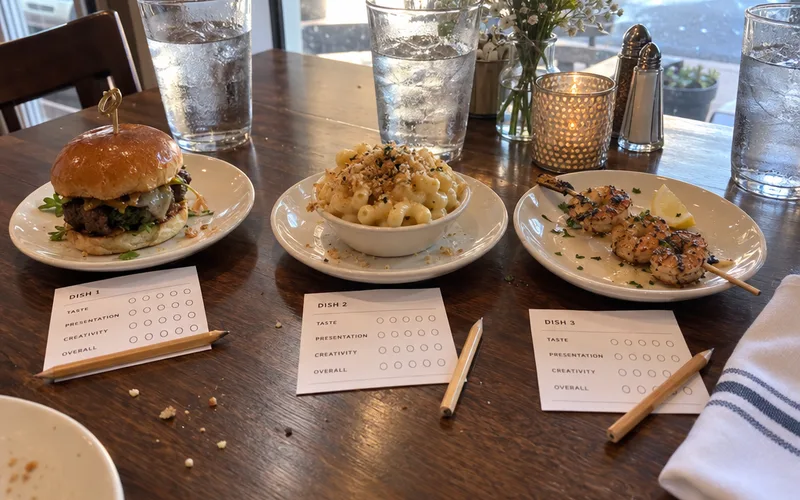
You get honest customer feedback before a dish hits the menu.
- Best for: Owners who change the menu a few times a year. Skip it if your menu never changes.
- Cost: The food cost of small tasting portions.
- Payoff: A tested new dish and regulars who feel they helped pick it.
- Time: 2-4 weeks.
- First step: Choose 3 dishes you’re testing.
Here’s how to run it:
- Pick 3 test dishes, borrowing from these creative menu ideas if you’re stuck.
- Invite 20 regulars by email or text.
- Serve a short tasting menu with a simple score card.
- Put the winner on the menu as a weekly special and tell the voters they picked it.
6. Book a Karaoke Night
Set up a karaoke machine, or hire a karaoke host, and let guests take the mic.
Singing draws groups who stay to cheer for each other.
- Best for: Bars, sports bars and late-night restaurants. Skip it if you serve quiet meals at the same hour.
- Cost: A rented machine or a hired host.
- Payoff: At one New York restaurant, karaoke beat trivia by a wide margin (2014).
- Time: 2-4 weeks.
- First step: Ask 2 local karaoke hosts what they charge for a weeknight.
At Coogan’s, the same manager told Priceonomics that regular karaoke nights were overwhelmingly more successful than trivia.
That’s one restaurant, so start after the dinner rush and test it for a month.
7. Bring In Live Acoustic Music
Hire a solo guitarist or an acoustic duo for a weeknight.
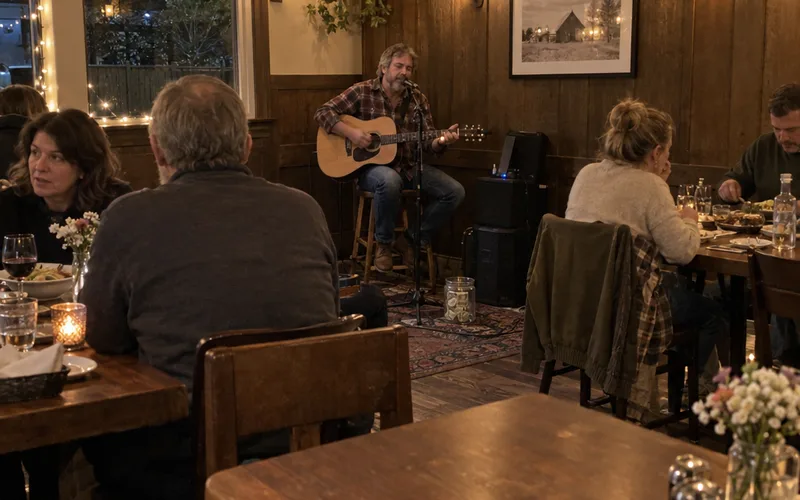
Quiet live entertainment changes a room’s mood without drowning out conversation.
- Best for: Sit-down restaurants and wine bars. Skip it if you have no corner for a performer.
- Cost: The musician’s fee, or a share of a small cover charge.
- Payoff: A livelier room that makes a weeknight meal feel like a night out.
- Time: 2-4 weeks.
- First step: Ask the musicians who play the nearest farmers market or wine bar.
Here’s what to say:
“We’d love acoustic music on Wednesdays from 6 to 8. What would you charge for a 2-hour set, and could we try one night first?”
8. Host a Paint-and-Sip or Craft Night
Have a local artist lead guests through a painting or craft project, with a drink included.
Tickets sell in advance, so you know your headcount before you prep.
- Best for: Restaurants with a private room or a closed night. Skip it if no tables can get messy.
- Cost: The artist’s fee and supplies, covered by ticket sales.
- Payoff: Prepaid seats, plus food, wine and cocktail sales on top.
- Time: 2-4 weeks.
- First step: Ask a local art teacher or craft shop to co-host.
Here’s hypothetical pricing: the artist charges $15 a guest and an appetizer costs you $5.
A $40 ticket leaves you $20 a guest before drinks, so 20 guests clear $400.
9. Teach a Cooking Class
Have your chef teach guests one dish from your menu, like pizza dough, tamales or dumplings.
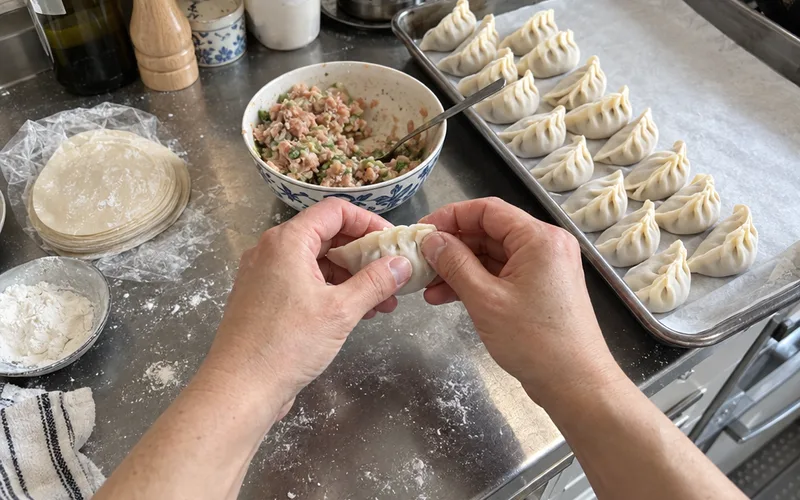
Guests leave with a new culinary skill and a story about your restaurant.
- Best for: Restaurants with an open kitchen or a counter where guests can watch. Skip it if your kitchen has no room for guests.
- Cost: Ingredients for each guest, covered by the ticket.
- Payoff: Prepaid seats and guests who come back to order the dish they learned.
- Time: 2-4 weeks.
- First step: Pick one dish your cooking team can teach in 90 minutes.
Cap the class at 10 to 12 guests, let everyone eat what they made and send them home with the recipe card.
10. Throw a Pairing Dinner With a Local Brewery or Winery
Team up with a local brewery or winery for a set menu, pouring a beer or wine with each course.
The partner brings its fans and a brewer or sommelier, and you bring the food, so it works like a wine tasting with a full meal attached.
- Best for: Restaurants with a beer and wine license. Skip it if you don’t serve alcohol.
- Cost: A multi-course menu, the highest food cost here, covered by a fixed ticket price.
- Payoff: A fixed-price dinner with a menu and headcount you know in advance.
- Time: 1-3 months.
- First step: Ask your beer or wine distributor which local craft beer maker wants to do one.
Here’s what to send:
“We’d love to host a 4-course pairing night with your beers next month. We’ll cook and sell tickets if you pour, talk about each beer and share it with your customers.”
Which Night Is Best for a Restaurant Event?
The best night for a restaurant event is your slowest weeknight, which for most places is a Tuesday or Wednesday. Priceonomics found in 2014 that trivia company Geeks Who Drink’s listings clustered on Tuesdays and Wednesdays, with no Friday events at all.
Check your POS sales data by day for the last 8 weeks, pick the lowest night and keep it every week.
How to Promote a Restaurant Event
Promote a restaurant event to the guests you already have first: table tents in the dining room, an email a week before, a text the day of and a social media post with a photo.
Start with table tents in your brand colors that name the day and time, then send a note through restaurant email marketing a week out.
Here’s a reminder text you can adapt, built like any good promotional text message:
“Trivia starts tonight at 7! Grab a team of 4 and win a $25 gift card. Reply STOP to opt out.”
Only text guests who opted in, following the basics of restaurant text marketing.
Then post it on Instagram and your other social media, with these tips to promote a restaurant on social media.
How to Turn Event Guests Into Regulars
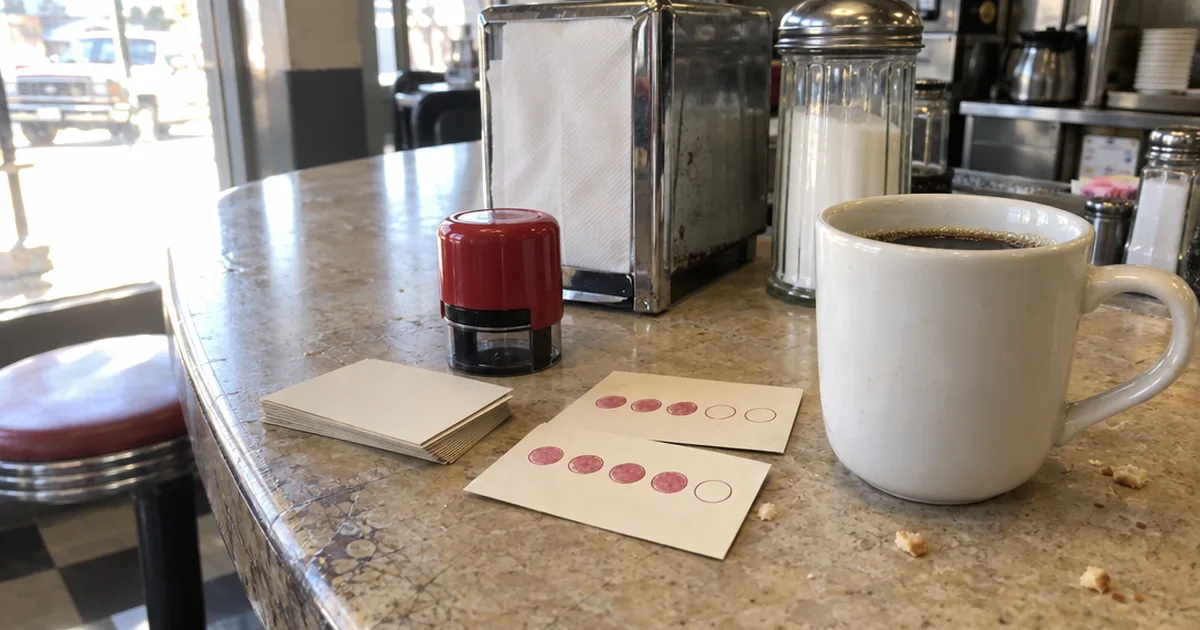
The way to turn event guests into regulars is to give each one a reason to return on an ordinary night, such as a punch card with a bonus stamp from the event. Bar managers interviewed by Priceonomics in 2014 said trivia nights attracted repeat customers who also came in on other nights.
A paper card gets lost, so a digital punch card that guests save to Apple Wallet or Google Wallet works better:
- Put a QR code on each table tent so guests join before it starts.
- Give a bonus stamp for coming to the event.
- Make the reward reachable in 4 or 5 visits, so a weekly team earns it within a month or two.
For your best customers, add a regulars-only night from these customer appreciation ideas, and build the rest with the basics of customer loyalty programs.
Long Shots Worth Knowing About
Wait on these until a simpler event runs well:
- Murder mystery dinner: fun for groups, but a hired acting troupe is a big upfront cost for one night.
- Guest chef takeover: draws foodies, but you need a visiting chef and a menu you both agree on.
- Outdoor block party: big crowds, but it usually needs city permits, extra staff and good weather.
- Speed dating night: new faces, but you need a host to fill both sides of the table.
- Charity night: a fundraising night for a local non-profit organization brings in its supporters, but you give up part of the night’s revenue.
Planning a launch? These grand opening event ideas cover one-time openings.
Frequently Asked Questions
What are good event ideas for a restaurant?
Good event ideas for a restaurant include a weekly theme night, trivia, an open mic, game night, karaoke, live music, cooking classes and pairing dinners. Start with a theme night or trivia, since both cost almost nothing to try.
What are some ideas for dinner entertainment?
Dinner entertainment ideas for a restaurant include a solo guitarist or acoustic duo, karaoke, an open mic and a murder mystery dinner. In a quiet dining room, low-volume live music fits best.
Do restaurant events actually increase sales?
Restaurant events can increase sales, and bars interviewed by Priceonomics in 2014 reported trivia-night sales up 30% to 65%. Track each event’s extra sales against its food, host and prize costs.
What are some good menu ideas for events?
Good menu ideas for restaurant events are short and easy to share: platters for trivia teams, one themed special for a theme night and a set menu for ticketed dinners. Stick to dishes your kitchen already makes fast.
Should a restaurant charge for event tickets?
A restaurant should charge for event tickets when each guest costs money to host, as with cooking classes, paint-and-sip nights and pairing nights. Keep trivia, open mic and game night free, and earn your money on food and drinks.
Final Thoughts
The best restaurant event is one you can repeat every week without losing money.
Pick your slowest night, start a free event from the top of this list and give every guest a reason to come back.