

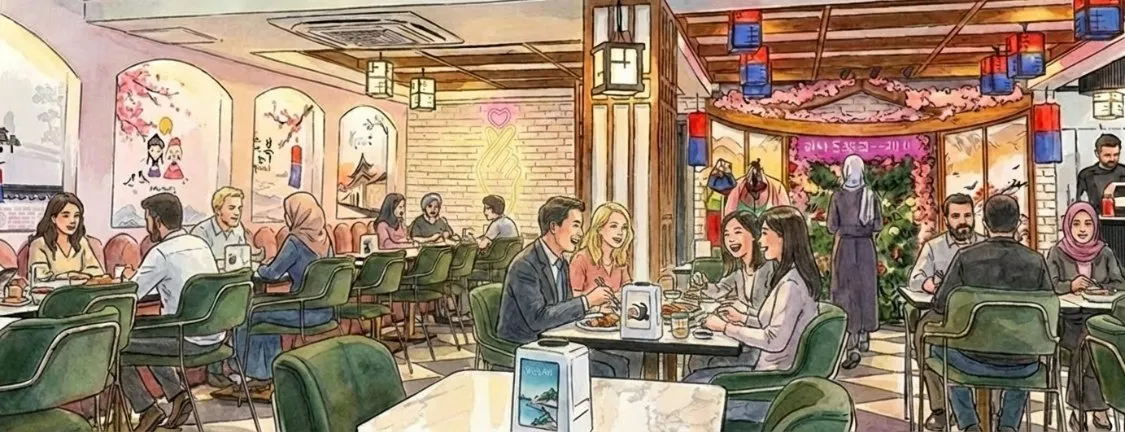
A restaurant loyalty program gives diners a reason to come back to you instead of the place next door. With Loyalty Cards, that program is a digital card in Apple Wallet or Google Wallet. A diner scans a QR code at the table or the till, saves the card in one tap, and your staff scan it on each visit to add points or a stamp.
It matters because regulars already drive restaurant traffic. Circana reported in 2025 that loyalty members made up 39% of total restaurant visits, and that loyalty traffic grew 5% in 2024 while overall restaurant traffic fell 2%. Big chains built their programs around apps of their own. A wallet card gives an independent restaurant the same kind of program without building one.
Three ways to run a restaurant loyalty program
Most restaurants choose between their point of sale’s own program, a branded app, and a card in the diner’s phone wallet.
| Point of sale loyalty | Branded restaurant app | Wallet card | |
|---|---|---|---|
| Examples | Toast Loyalty, Square Loyalty | An app with your name in the App Store | Loyalty Cards |
| What the diner does | Gives a phone number at checkout | Downloads your app and signs in | Scans a QR code and saves the card |
| How earning works | Automatic at checkout | In the app, often with online ordering | Staff scan the card |
| What the diner sees | A receipt, or the point of sale company’s app | Your app, if they kept it | Your card in their phone’s wallet |
| What you need | That company’s point of sale | A budget for the app and its upkeep | Any point of sale, or none |
Point of sale loyalty is the easiest to run if you’re happy to stay with that system. A branded app makes sense for a chain with online ordering, because the app earns its download by taking orders. For an independent restaurant, a wallet card gets most of the benefit with none of the setup: there’s nothing for diners to install and nothing to integrate. Compare the options in more detail in the best restaurant loyalty apps, or against Toast Loyalty and Square Loyalty.
Points or stamps: which suits your restaurant
| Stamp card | Points card | |
|---|---|---|
| Customers earn | A stamp per visit, or per amount spent | Points for every dollar spent |
| Best for | Similar-priced meals: pizza, ramen, tacos, lunch spots | Checks that vary: sit-down dinners, sushi, groups |
| Example | Every 10th pizza is on the house | One point per dollar, a free roll at 150 points |
| Why diners like it | Easy to see how close they are | Bigger orders count for more |
You can choose either on any plan, and you can describe what you want to the AI designer instead of filling in a form.
Restaurant loyalty program ideas you can copy
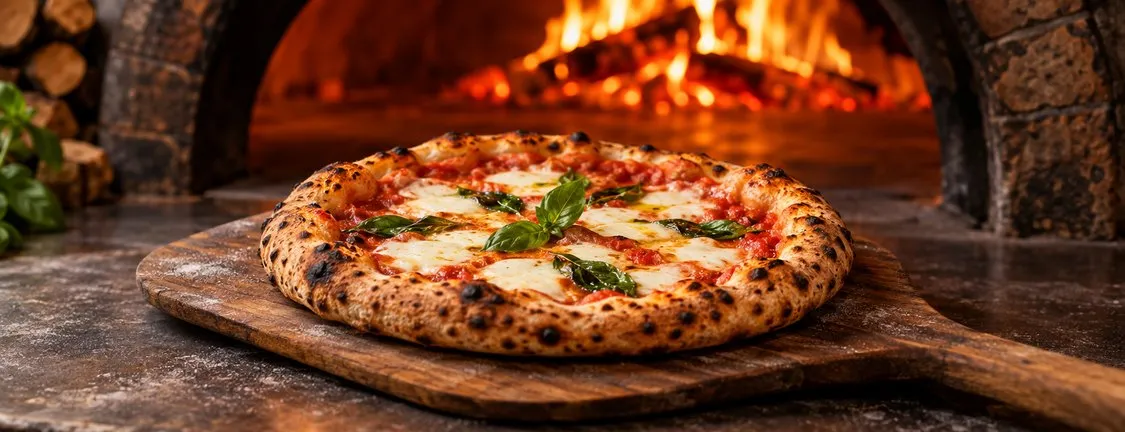
- Pizzeria: every tenth pie is free, which is simple enough to explain in one sentence at the counter.
- Ramen or noodle shop: a free bowl after 10 visits, with a stamp for each one.
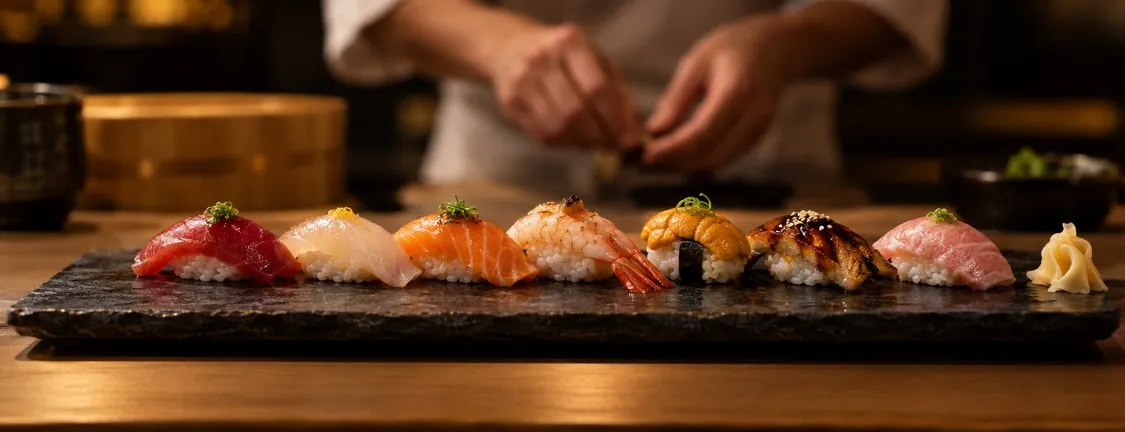
- Sushi or sit-down dinner: one point per dollar, with a free roll or starter at a set total.
- Taqueria: a stamp per visit, and three free tacos when the card is full.
- Café or brunch spot: a free coffee after nine visits, so the tenth is on you.
- Fast casual and lunch counters: a free side or drink after six lunches, so office regulars fill a card in two weeks.
- Bar or brewpub: points on food, with a free starter as the reward. Check your local rules before you reward alcohol.
- Food truck: a short card of five or six stamps, because people find you less often than a fixed spot.
- Your best regulars: a VIP tier for the people who already come every week, so they get something other customers do not.
When you pick the reward, start with something that costs you little and that people want to order anyway. A free drink, starter or dessert brings a table back without giving away a full check.
What a reward really costs
The menu price of a reward is not its cost. Say your average check is $20 and you give a $7 starter after six visits. The starter costs you its ingredients, often around a third of its price, so about $2.30, against $120 the diner spent to earn it. That is under 2% of what they spent, for a guest who now has a reason to make visit seven. Your numbers will differ, so work it out from your own check size and food cost before you pick the reward.
How it works during a busy service
- Put your QR code where people wait. Your account includes a print-ready page for the host stand, the table or the till.
- Diners join in one tap. They scan with the camera, sign in with Google, Apple, email or phone, and the card saves to their wallet.
- Staff scan the card. The Loyalty Cards app runs on their phones, and Plus includes five team accounts so nobody shares your login.
- The card updates itself. The balance changes on the pass straight away, and a reward is released as soon as the diner reaches the number you set.
On Plus and Pro you can also send a push notification to the pass, which is useful for a slow Tuesday or a new menu. Diners see it on their lock screen without having installed anything.
Mistakes that sink restaurant loyalty programs
- A card that takes too long to fill. If a regular can’t reach the reward in a couple of months, they stop counting. Match the number of stamps to how often people really come.
- A reward nobody wants. A small percentage off rarely brings anyone back. Something they can eat or drink works better.
- Nobody mentions it. The program grows when staff ask “Do you have our card?” at the till, and when the QR code is on the table, not only by the door.
- Too many rules. One way to earn and one or two rewards are easier to explain than a chart of exceptions.
Start on paper if you like
If you’re not ready for a digital program, our free punch card maker prints restaurant stamp cards ten to a sheet, and you can turn the same design into a wallet card later. Our other free tools make table tents with a QR code, gift certificates and coupons, and a food cost calculator works out what a dish, or a reward, really costs you.
What it costs
You can start free with up to 50 customers, and Loyalty Cards Plus is $30 a month, or $25 a month billed yearly, for one location with unlimited customers. There are no setup fees and no per-transaction fees. See the full pricing, or compare it with Square Loyalty or Toast Loyalty if you already use one of them.
Last updated November 13, 2026